


Explore by Region
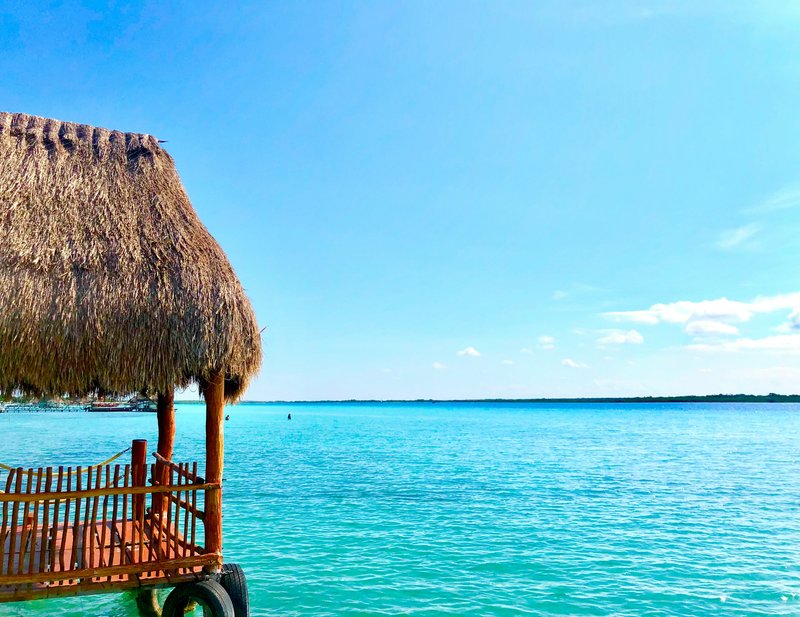
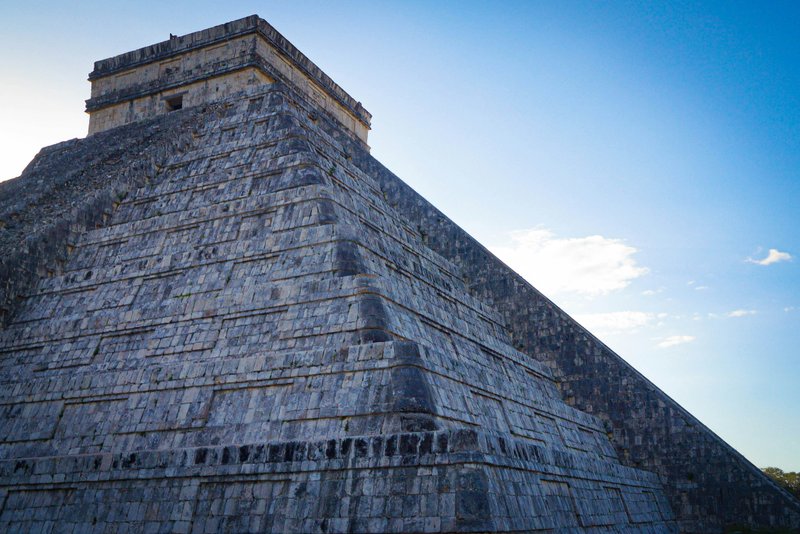
Yucatán Peninsula
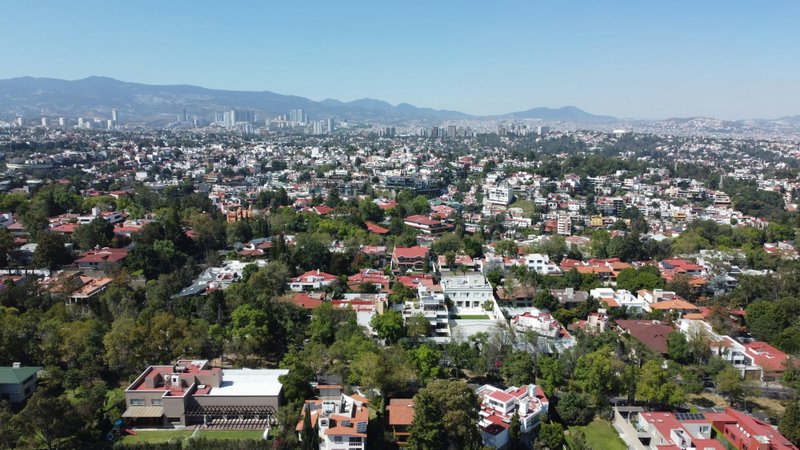
Mexico City & Region

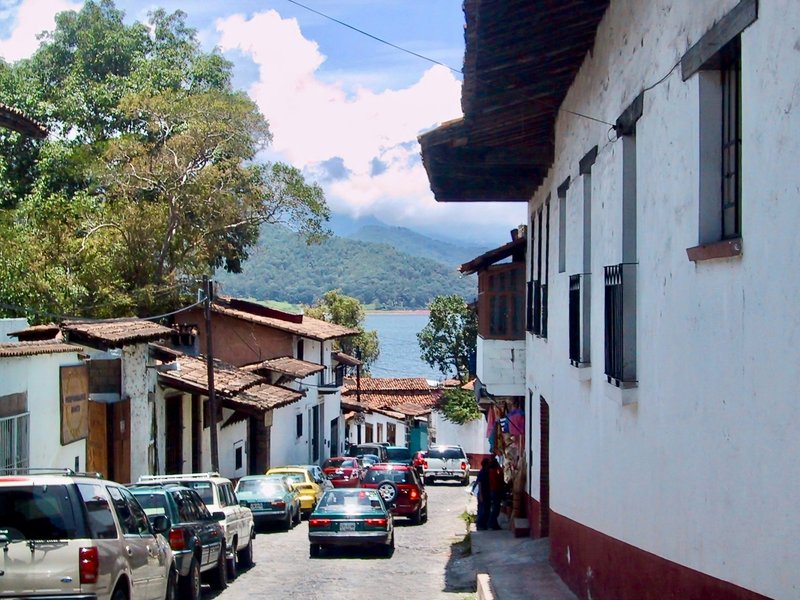
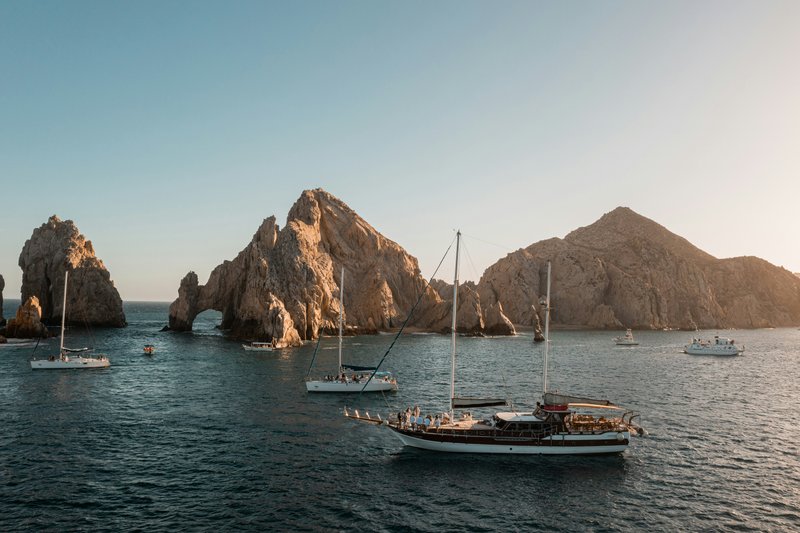
Baja California
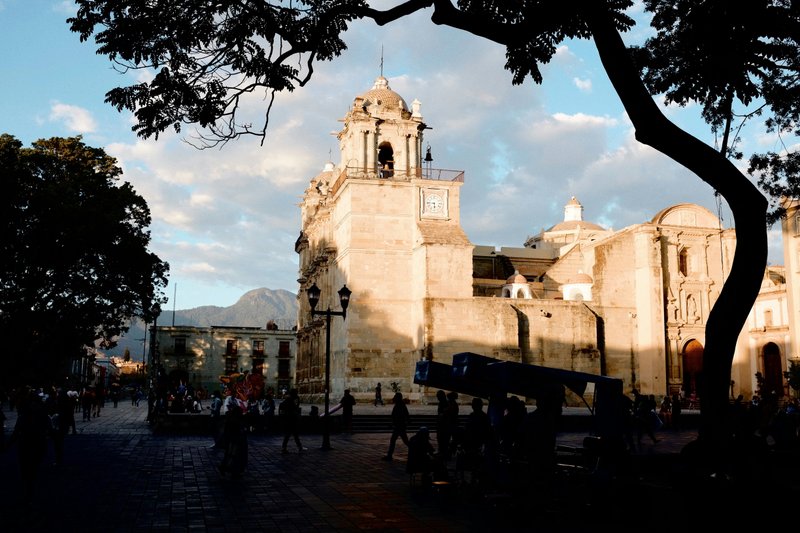
Oaxaca
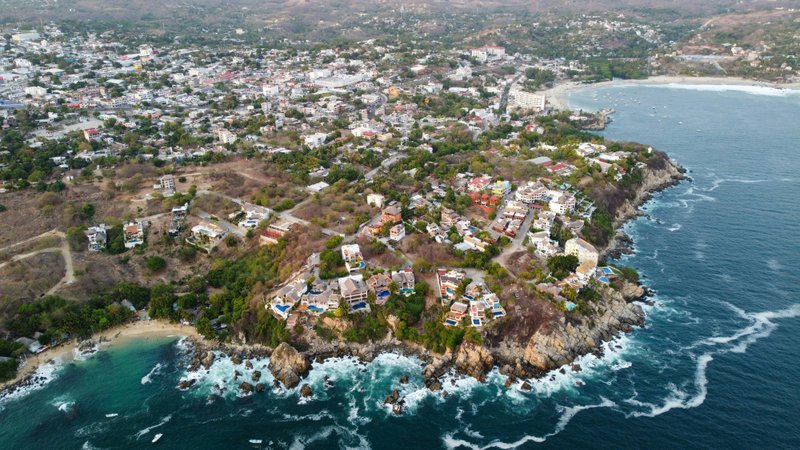
Pacific Riviera
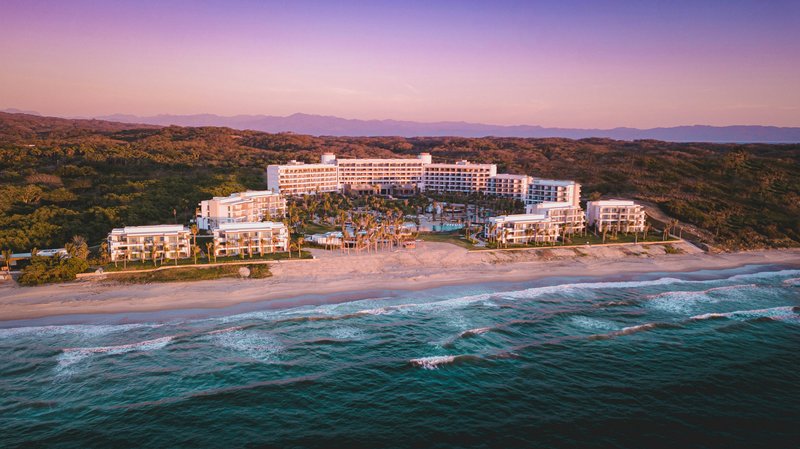
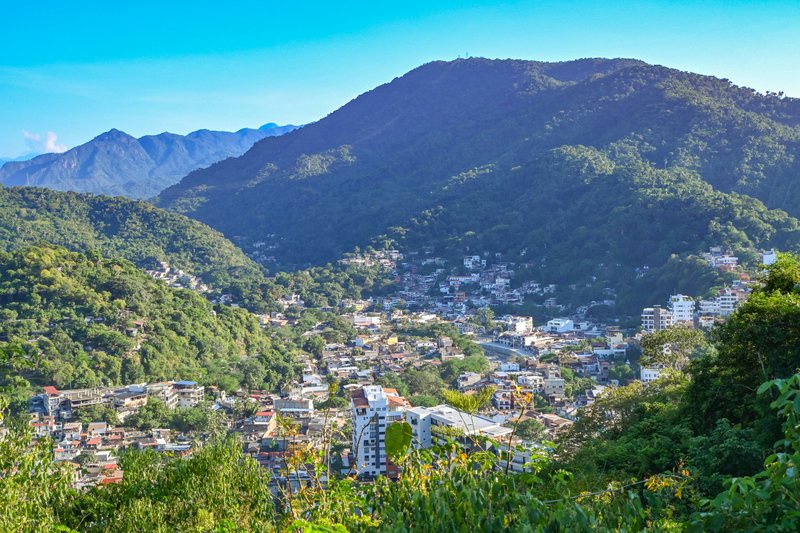
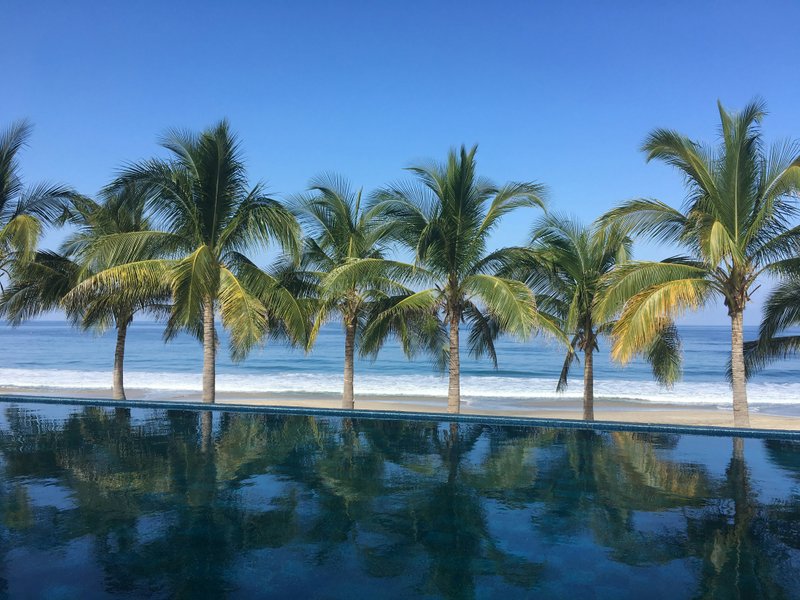
Colonial Cities
Northern Mexico
Gulf of Mexico
Veracruz
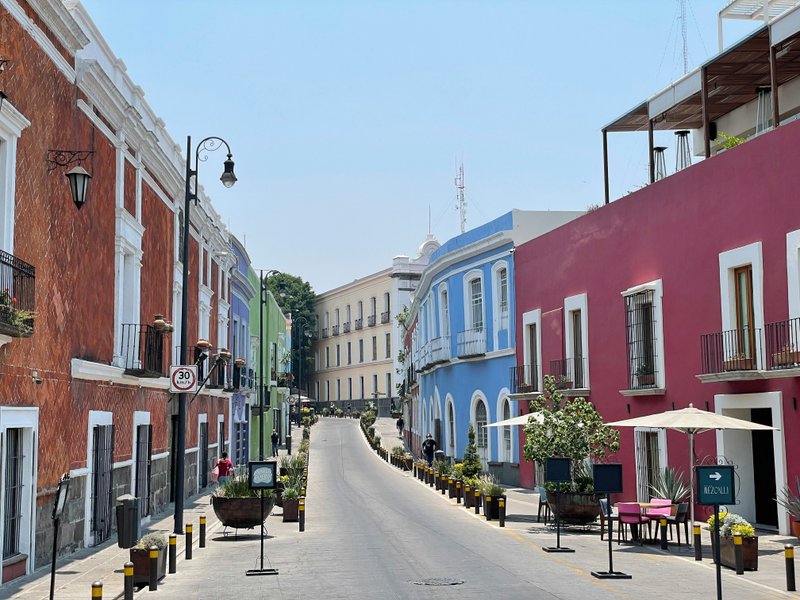
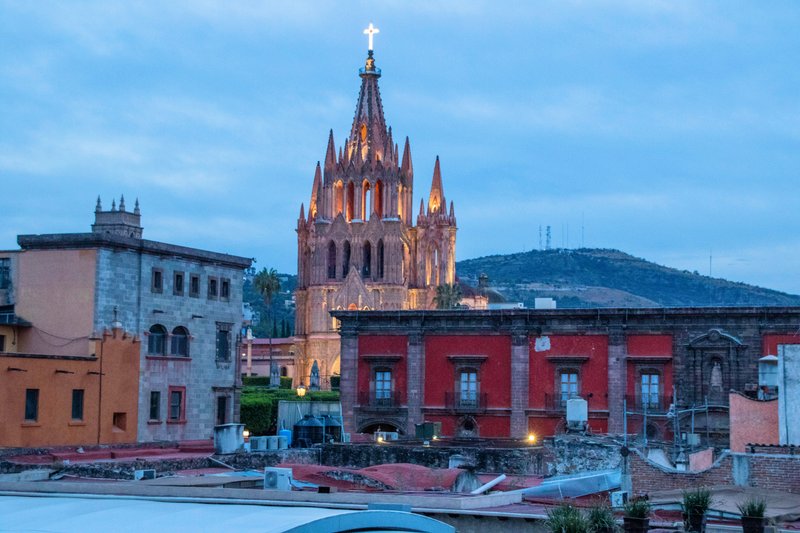
Mexico's hotel landscape spans from the cobblestone streets of San Miguel de Allende, where 18th-century courtyards shelter contemporary design, to the Yucatán Peninsula's jungle-framed resorts. In contrast to the US Southwest, properties here often occupy centuries-old haciendas or purpose-built modernist structures along the Riviera Maya. Oaxaca's restored convents and Mexico City's Polanco and Roma Norte districts offer converted mansions with terraces overlooking jacaranda-lined streets.
The dining scene reflects regional diversity: coastal properties serve ceviche prepared tableside, while central highland hotels feature mole negro and chapulines in tasting menus. Many establishments maintain on-site agave collections, with mezcal and tequila tastings conducted in candlelit cellars. Traditional cantinas sit alongside rooftop bars where mariachi performances accompany sunset views of volcanic peaks. Design details often incorporate Talavera tile, handwoven textiles from Chiapas, and carved wooden screens—elements that reference craft traditions without resorting to folk pastiche. Like Brazil's pousadas, many properties operate as family estates, though architectural styles lean toward Spanish colonial and pre-Hispanic Mesoamerican influences rather than Portuguese vernacular.