


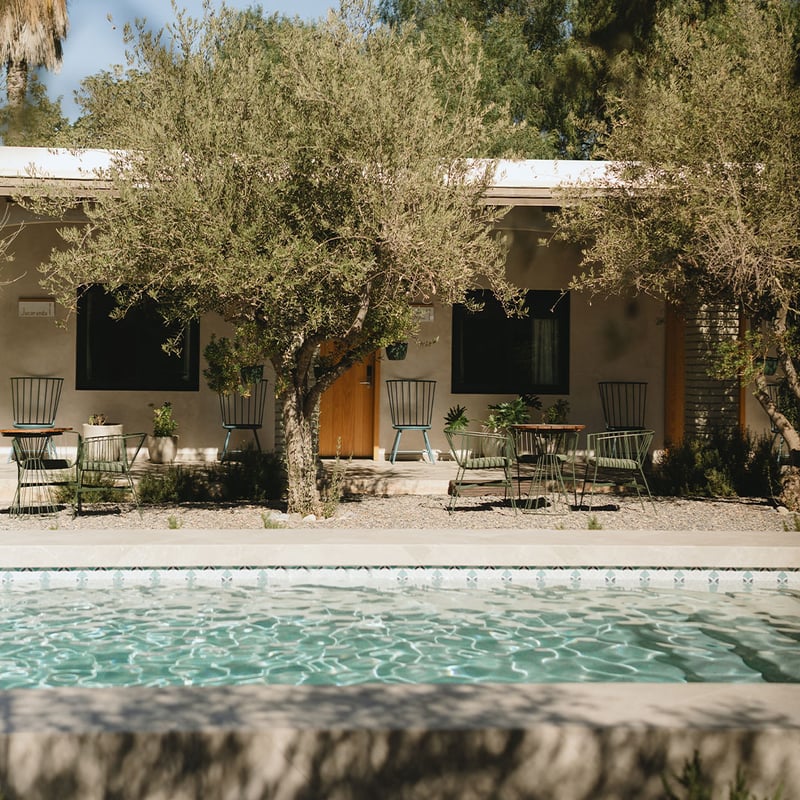
Fourteen rooms scattered through olive groves along Baja California's Ruta del Vino, each bearing the name of a native plant. Casa Olivea draws design-minded couples seeking quiet immersion in wine country—poured concrete floors, wood-burning fireplaces, and blackout curtains ensure deep rest between vineyard visits. The stone-lined pool glows amber at dusk, while the on-site restaurant sources directly from surrounding farms.
Ensenada Travel Guide: Best Hotels, Restaurants & Experiences 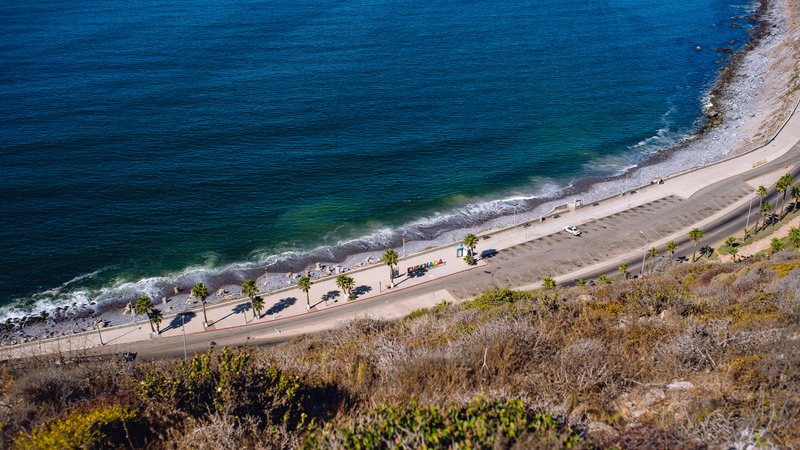
Explore Ensenada
Hotels (2)
Restaurants (6)
Where to Stay

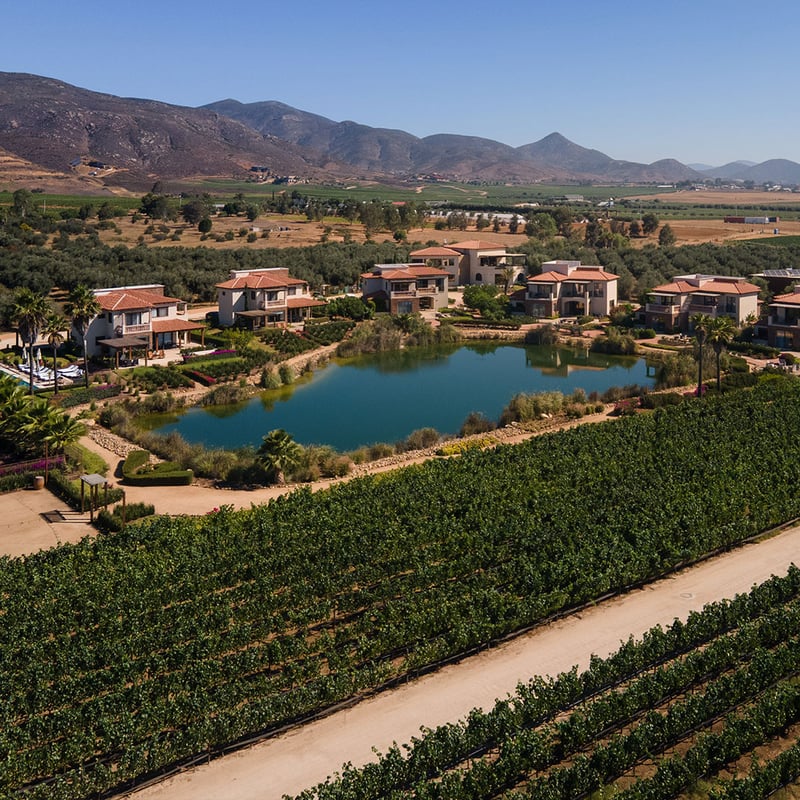
Tuscan-inspired villas rise from Valle de Guadalupe's vineyards and olive groves, their interiors crafted from native wood and stone. Ground-level suites offer private patios with firepits and Jacuzzis, while upper-floor accommodations feature vaulted ceilings framing panoramic vineyard views. Most rooms include wine cellars for storing bottles discovered during tastings. The on-site restaurant delivers inventive Baja-Yucatán fusion, rewarding oenophiles who come to explore Mexico's premier wine country.
Where to Eat

★ Michelin· Green Star ●
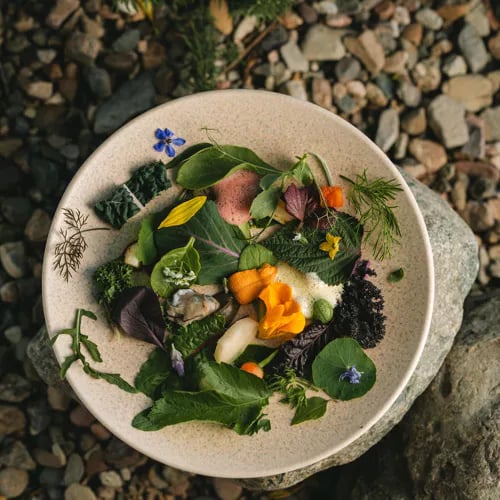
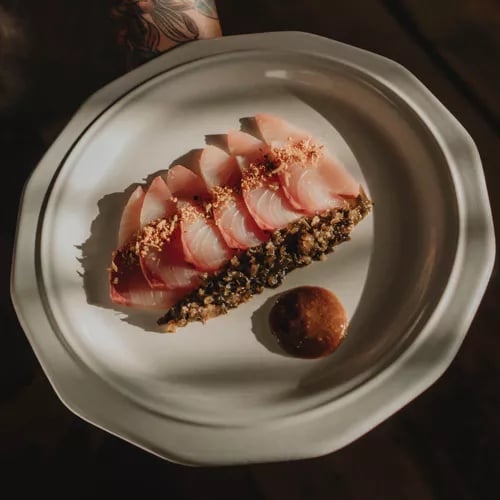
Pristine vegetables and seafood arrive daily from organically tended fields surrounding Casa Olivea, where a Michelin-starred kitchen transforms them into multicourse tasting menus—either vegetarian or ocean-focused. Grilled octopus draped over mole blanco and a daily catch paired with celeriac purée showcase confident simplicity, while desserts like squash éclairs with kohlrabi ice cream reveal genuine creativity. The Green Star certification confirms an unwavering sustainability commitment.

Michelin Selected
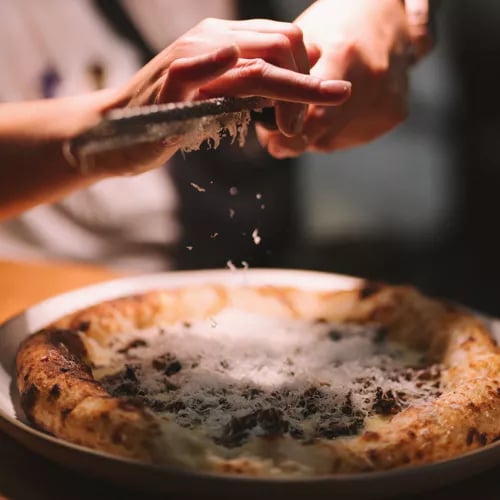
Chef David Castro Hussong orchestrates a contemporary Mexican menu beneath the canopy of Bruma winery's tree-shaded terrace. Guests gather at a communal table for dishes that pivot from delicate ceviche and cauliflower dressed in mole to hearty short rib with shiitake noodles. The wood-fired pizzas take bold liberties—beef birria with chile morita proving particularly compelling—while a flaky banana tart closes the meal on a generous, shareable note.

Michelin Selected
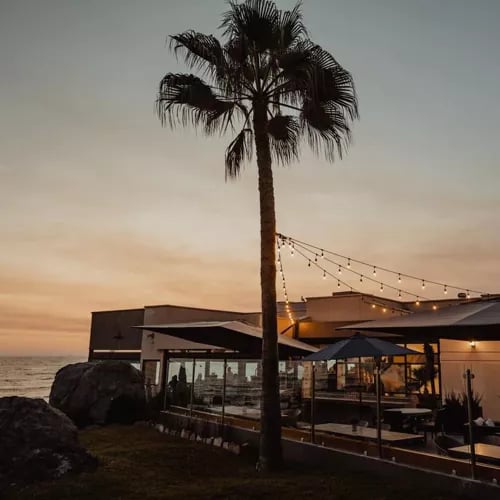
Perched above the Pacific with floor-to-ceiling windows framing Ensenada's coastline, this intimate dining room rewards sunset timing. The kitchen demonstrates range and creativity—blue corn empanadas arrive delicately crisped, their lobster filling seasoned chorizo-style, while grilled quail from Valle de Guadalupe comes lacquered in a sun-dried chili and beer reduction. A Michelin Plate holder delivering assured coastal cooking.

Michelin Selected
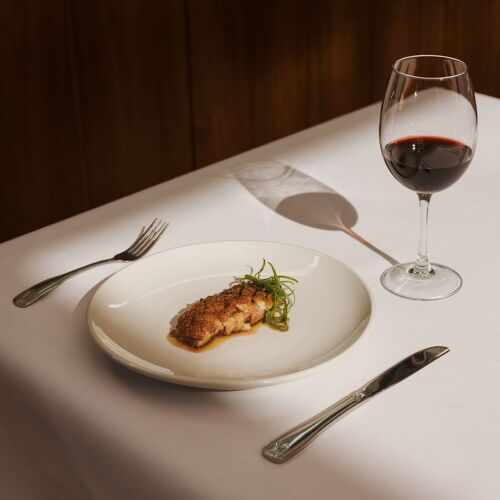
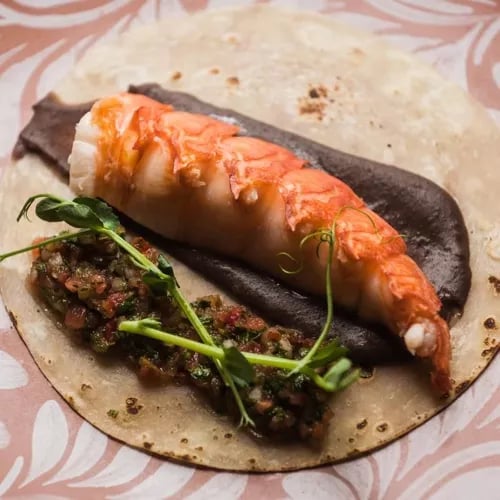
Chefs Miguel Bahena and Carolina Verdugo run this intimate Mexican restaurant from a white stucco house with terra-cotta tiles, where an open kitchen animates the bar area. The concise menu moves from pepita-and-sesame crusted shrimp dressed in chileatole sauce with nopal slivers to duck breast lacquered with house-made mole coloradito—dishes that reward travelers seeking refined regional cooking in an unpretentious setting.

Bib Gourmand
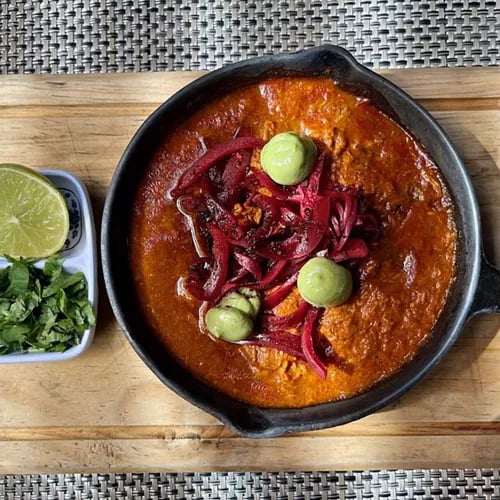
Bougainvillea spills across the facade of this Bib Gourmand address, where fourth-generation cheesemaker Marcelo Castro runs a courtyard kitchen shaded by wooden slats and dense foliage. Morning regulars come for chilaquiles crowned with his family's Ramonetti cheese from Valle de Ojos Negros. By lunch, the menu shifts to camaron tostadas bright with citrus and chili, and slow-braised cochinita pibil scooped warm with fresh tortillas.

Bib Gourmand
A sleek concrete-floored dining room with white-tiled open kitchen sets the stage for the Hussong family's seafood-focused venture. The concise menu earns its Bib Gourmand through dishes like the signature tuna al pastor taco—spice-rubbed fish with satisfying crumble, pickled onion slivers, and avocado purée. Fresh pasta with shrimp and octopus pizza follow, while mezcal sours flow from the bar.

Bib Gourmand
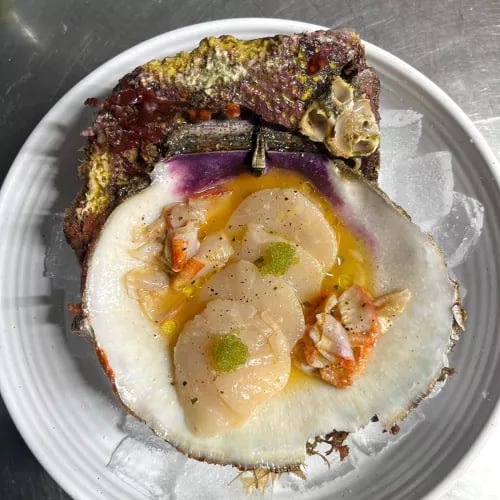
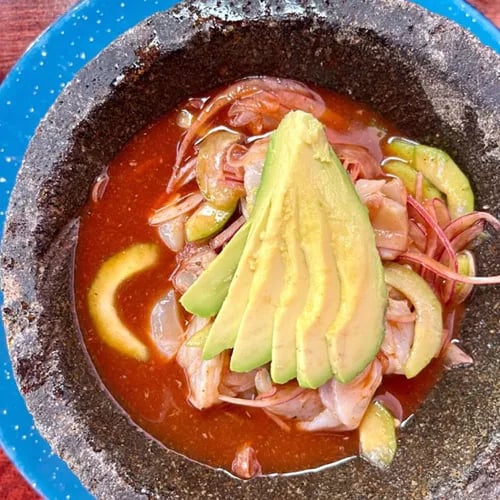
Inside a converted 1911 winery at Plaza Santo Tomás, La Concheria operates from a slender dining room where brick floors meet teal walls and a metal roof. Counter seats face an open kitchen turning out Bib Gourmand–recognized Mexican cooking: briny oysters, aguachile, and the signature fideo seco en salsa poblano—cast-iron baked pasta slicked with green chili cream and crowned with clams and mussels.

Bib Gourmand
Sabina brings the legendary mariscos cart La Guerrerense indoors, earning a Bib Gourmand for its exceptional seafood at honest prices. The signature tostadas arrive layered with bacalao ceviche and tender chopped octopus, while the pozole mariscos delivers a generous bowl of caldo colorado brimming with shellfish, hominy, and avocado. House-made salsas and warm tortilla chips complete each table.

Michelin Selected
Behind gated walls in Ensenada's port district, chefs Benito Molina and Solange Muris have built a seafood destination around their signature arroz de mar, a guajillo-laced rice brimming with the day's catch. The ornate carved-wood bar anchors spacious dining rooms that open onto a courtyard, while Valle de Guadalupe wines fill the glass. Dessert brings a daily crème brûlée, perfumed with fig leaves from the garden.

Michelin Selected
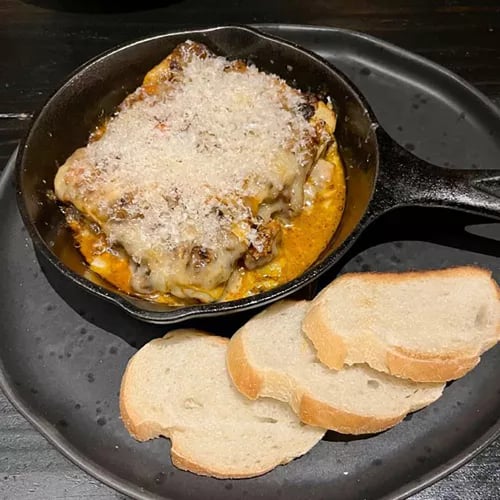
A Mediterranean detour in a coastal town devoted to seafood, Ophelia occupies a minimalist space of light walls, wood ceiling, and dark tile. The kitchen moves confidently between pasta, pizza, and heartier plates—roasted quail, lamb shank, octopus charred and tender. The signature Lasaña de Susana, named for the chef's mother, arrives in cast iron: layers of fresh pasta, coarse meat ragù, mushrooms, and molten cheese.
Frequently Asked Questions
What is the best time of year to visit Ensenada?
+
The grape harvest season from August through October brings the Fiestas de la Vendimia, when Valle de Guadalupe wineries host tastings and dinners under the stars. Spring months offer mild temperatures ideal for coastal exploration, while winter sees gray whale migration in nearby Laguna Ojo de Liebre.
How far is Valle de Guadalupe from downtown Ensenada?
+
The wine valley lies approximately 30 kilometers northeast of the city center, a scenic 40-minute drive through arid hills dotted with olive groves. Most visitors hire drivers or join tours, as the valley's winding roads connect dozens of small-production wineries spread across the landscape.
Where do locals eat seafood in Ensenada?
+
The Mercado Negro on the waterfront remains the authentic choice for ultra-fresh ceviche and cockteles. For fish tacos, the Calle Primera corridor hosts several legendary stands. Sunday mornings, families gather at the Mercado de Mariscos near the sport fishing pier for breakfast of smoked marlin tostadas.
Nearby Destinations
Explore Mexico



Ensenada
Ensenada sprawls along the Bahía de Todos Santos, a Pacific port city where fishing pangas share the harbor with visiting yachts. The Zona Centro retains its 1930s character—cantinas with swinging doors, murals honoring local fishermen, and the Mercado Negro where vendors have sold fresh catches since 1958. North toward San Miguel, the coastline gives way to the Valle de Guadalupe, Mexico's premier wine region just forty minutes inland, where over 150 wineries have transformed the high desert into an unlikely viticultural destination.
The dining scene reflects this dual identity. Along the waterfront, mariscos dominate—fish tacos originated here, and locals still debate which stand perfected the battered-fish-in-tortilla combination. Meanwhile, Valle de Guadalupe has attracted chefs who cook outdoors over open fires, sourcing ingredients from nearby farms and pairing dishes with wines grown steps away. Back in town, the First Street corridor buzzes with cocktail bars and restaurants occupying renovated warehouses, while the Malecon offers sunset drinks with pelicans diving for their dinner.