


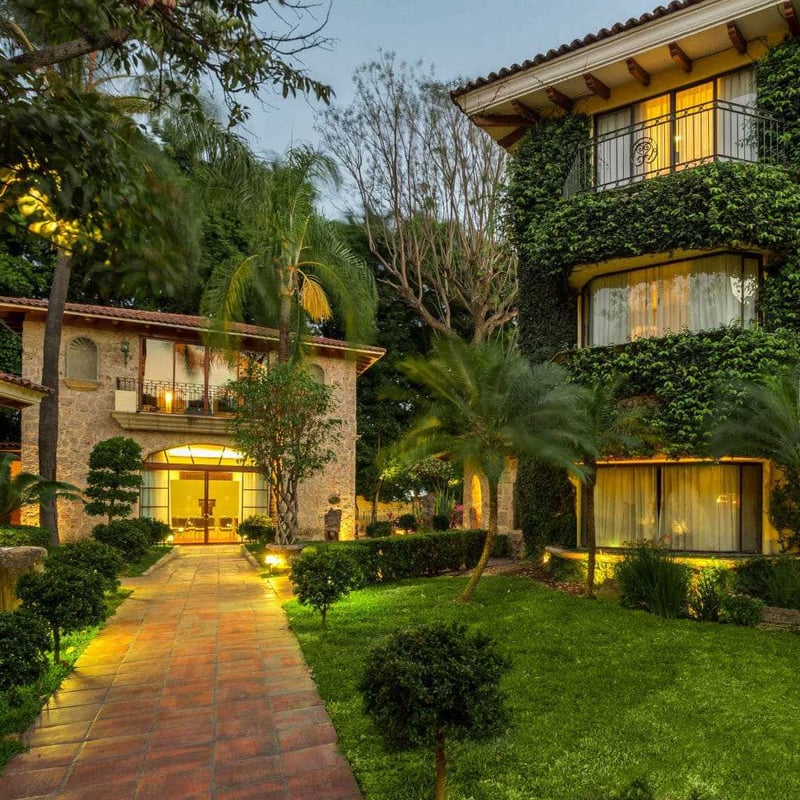
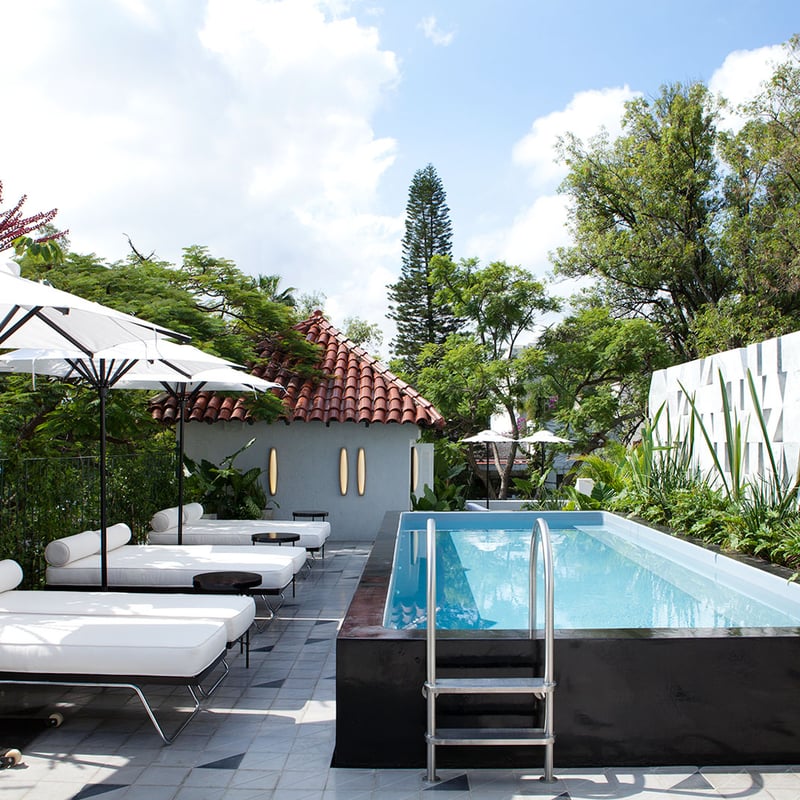
Colonial-style architecture and leafy residential surroundings create a striking counterpoint to Guadalajara's urban intensity at this all-suite property. Expansive marble bathrooms stocked with Hermès products and a pillow menu ensure restful nights, while the two-floor Presidential suite—complete with three bedrooms and a piano—rivals private residences. A swimming pool and manicured gardens offer respite between business meetings downtown.
Guadalajara Travel Guide: Best Hotels, Restaurants & Experiences 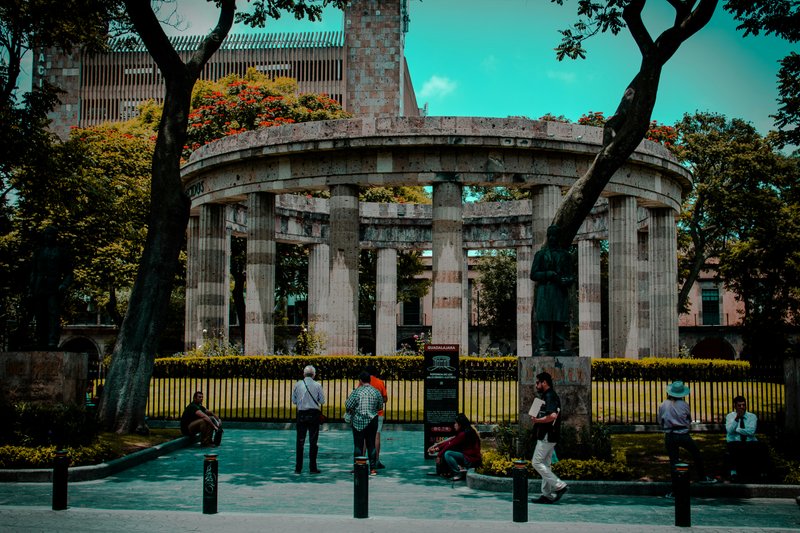
Explore Guadalajara
Hotels (3)

Forbes Five-Star
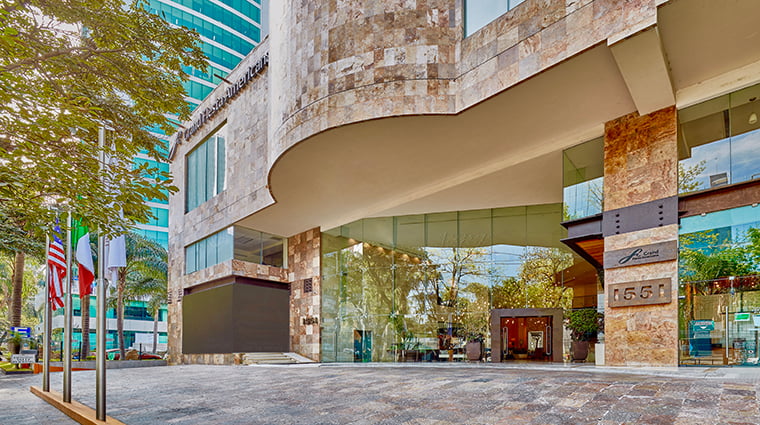
Positioned in Guadalajara's financial district opposite the Country Club, this high-rise property draws both executives and leisure travelers with its 18th-floor spa offering panoramic city views and restorative deep tissue treatments. Grand Club accommodations on the upper floors grant access to a private lounge with morning breakfast and evening canapés, while ground-level diversions include Cuatro Estaciones for modern Mexican plates and Bargüero, where live music accompanies fireside cocktails.

Forbes Five-Star
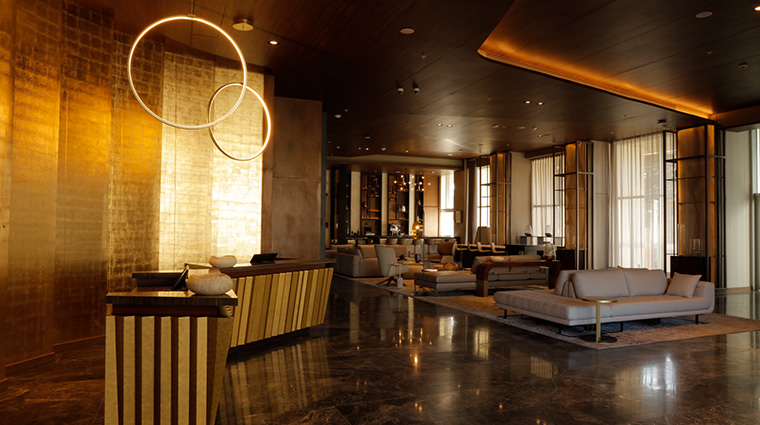
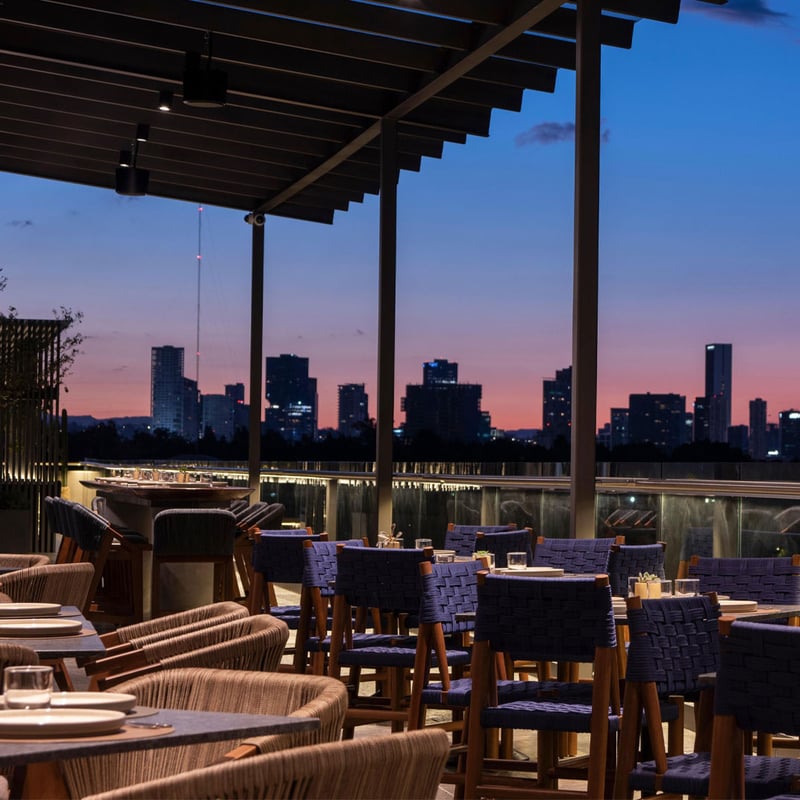
Rising above Guadalajara's Country Club district, this sleek tower draws jet-setters with floor-to-ceiling windows framing the city skyline and a rooftop pool where Zapopan's lights flicker at dusk. Agave restaurant serves contemporary Mexican cuisine beneath arched corridors and moody uplighting, while the Sunset Deck pours tequila-forward cocktails as golden hour paints Jalisco. The 3,200-square-foot Presidential Suite includes its own indoor lap pool.

Grupo Habita's Guadalajara outpost brings the Mexican boutique collective's design sensibility to the Zona Minerva district. Geometric guest rooms channel Mondrian through glass panes and metallic surfaces, offset by marble bathrooms and locally sourced Jalisco materials. A rooftop pool offers respite above the treetops, while the cocktail bar draws both hotel guests and neighborhood regulars—a telling sign of the property's local credibility.

The brand's Mexican debut occupies a prime position within the Neruda 2828 mixed-use development along Guadalajara's financial corridor. Its 104 rooms showcase quasi-minimalist design softened by locally inspired artwork, while Bar y Restaurant Querida Luna delivers panoramic city views from a seventh-floor terrace. Pet-friendly policies and proximity to the development's retail and entertainment offerings suit business travelers seeking polished convenience.
Frequently Asked Questions
Which neighborhoods in Guadalajara offer the best hotel locations?
+
Colonia Americana and Lafayette provide walkable streets lined with restaurants and galleries, while properties near Avenida Chapultepec place guests within reach of the city's nightlife corridor. Centro Histórico appeals to those wanting immediate access to museums and colonial architecture, though traffic can be dense during business hours.
What is the best time of year to visit Guadalajara?
+
October through May brings dry weather and mild temperatures, with November's Fiestas de Octubre offering parades, rodeos, and regional gastronomy. The rainy season from June to September sees afternoon storms that clear quickly, leaving cooler evenings — a trade-off some visitors prefer for thinner crowds and greener landscapes.
How accessible are the tequila-producing towns from Guadalajara?
+
The town of Tequila lies roughly an hour northwest via highway, making distillery visits feasible as day trips. The José Cuervo Express offers a scenic rail journey through agave fields with tastings en route, departing from the city center on weekends and select weekdays.
Nearby Destinations
Explore Mexico



Guadalajara
Jalisco's capital spreads across a high valley ringed by the Sierra Madre, its grid of colonial plazas giving way to the leafy streets of Colonia Americana and the Art Deco facades of Lafayette. The Centro Histórico anchors the city around the twin-spired cathedral and Hospicio Cabañas, where Orozco's murals draw visitors into Mexico's revolutionary past. West toward Chapultepec, converted mansions now house independent hotels with interior courtyards shaded by jacaranda and bougainvillea.
The dining culture here runs deep — birria stewed overnight in underground pits, tortas ahogadas drenched in chile de árbol, tequila flights poured straight from distilleries an hour west in the agave fields of Tequila and Amatitán. Along Avenida Chapultepec, mezcalerías and contemporary Mexican restaurants occupy repurposed industrial spaces, while the Andares district caters to a more international palate. Mariachi was born in these streets, and on weekend evenings Plaza de los Mariachis fills with competing ensembles as tapatíos gather for the ritual of slow dinners and extended sobremesa.