Exposed concrete beams, blond woods, and leather furnishings create an industrial-meets-elegant aesthetic within the Trébol Park development, where an artsy atrium hosts rotating exhibitions. Floor-to-ceiling windows frame the Sierra Madre Mountains from every guest room, the rugged peaks competing with Monterrey's skyline for attention. Adventure seekers find caves, ziplines, and horseback trails minutes away, while the warm, unhurried service recalls Mexico's coastal hospitality.
Where to Stay
Rising in the upscale Valle del Campestre district, this five-star property anchors its appeal in full-service luxury: an outdoor pool for the subtropical climate, a spa for post-business decompression, and multiple dining venues that keep guests on-site. Round-the-clock room service and a well-equipped bar complete the picture—ideal for executives seeking polished reliability in Mexico's industrial capital.
A faux river winds through the lobby toward floor-to-ceiling windows framing the Sierra Madre, setting the tone for this urban resort that helped put Monterrey on the international luxury map. Guest rooms perch high above the city with mountain panoramas, while the Feel Urban Spa delivers a hydrotherapy circuit of plunge pools, sensory showers, and saunas. Seventy-foot quotes from Fellini and Tupac Shakur scale the glass atrium—subtle edginess for business travelers and status-conscious weekenders alike.
Where to Eat
Three brothers—Rodrigo, Daniel, and Patricio Rivera-Río—have built Monterrey's most compelling case for Norteño cuisine as serious gastronomy. Their tasting menu moves from suckling pig lacquered in mole neolonés to an improbably tender cabrito enriched with plum and foie gras, each course inventive yet rooted in regional tradition. Thoughtful cocktail pairings, alcoholic or not, complete an evening of genuine discovery.
Within the Santo Tomás winery, Chef Alfredo Villanueva orchestrates an entirely open-air Bib Gourmand dining room framed by lavender and citrus groves. His Mexican cooking draws on French and European techniques—horse mackerel crudo arrives on blue corn tostadas, while roasted eggplant pairs with smoked bluefin tuna. Sharing plates and rustic desserts like warm date tart complete the vineyard experience.
Chef Guillermo González Beristáin has spent twenty-five years refining a Mexican culinary vocabulary inflected with Asian and French accents at this one-Michelin-starred address. The kitchen's precision emerges in dishes like sweet winter squash tamal crowned with crème fraîche and caviar, or crisp-skinned quail alongside foie gras mousseline with pistachios and cherries—compositions marked by balance rather than bravado, confirming Pangea's status as Monterrey's fine dining benchmark.
The original Jabalina in Barrio Antiguo draws crowds to its patio, where diners watch flames dance on the open parrilla while sipping cocktails. The arrachera tacos arrive on cheese-crusted flour tortillas, generously topped with guacamole—a signature worth the visit. Inside, tall ceilings and raised plant beds create an urban greenhouse atmosphere. The chicharrón mixto and carrot cake with salted caramel complete a leisurely Mexican feast.
Chef Hugo Guajardo channels the Noreste through live-fire cooking at this San Pedro Garza García address, where tortillas arrive handmade and tostadas come warm with salsa. The adobo-marinated pork belly tacos, sparked with piquín chile, showcase the kitchen's command of smoke and spice, while the dry-brined carne zaraza—charred onion, fresh corn tortillas, a bright watercress-cilantro salad—delivers rustic precision. Warm tarta de nuez with piñón ice cream closes the meal.
Chef Adrián Herrera runs this deliberately understated spot in San Pedro Garza García, where the cooking celebrates rustic Mexican comfort food with remarkable depth. The encacahuatadas arrive earthy and nutty, while empalmes showcase supremely tender stewed goat. No fancy plating, no pretense—just a relaxed neighborhood atmosphere built for hearty meals and good drinks among friends.
Locals call it "tacos del muerto" for its location opposite a cemetery, but this third-generation taqueria has perfected its craft over five decades. The plancha sears tortillas in oil until bronzed and crisp, wrapping tender picadillo with potato, pierna braised in red chile, or the signature cabeza—chopped beef head meat with deep, uncturous flavor. A Michelin-recognized Monterrey institution.
Frequently Asked Questions
What is cabrito and where should I try it in Monterrey?
+
Cabrito is young goat, roasted whole over mesquite coals — the signature dish of Nuevo León. Traditional preparation involves slow-cooking the meat until tender, served simply with refried beans, salsa roja, and fresh flour tortillas. The dish traces back to the region's Sephardic Jewish settlers who adapted their culinary traditions to available livestock. Look for restaurants in the city center and San Pedro that have been perfecting this technique for generations.
Which neighborhoods are best for upscale dining and nightlife?
+
San Pedro Garza García offers the highest concentration of refined restaurants, particularly along Calzada del Valle and near the Valle Oriente business district. Barrio Antiguo, the historic quarter downtown, provides a grittier alternative with mezcal bars and chef-driven restaurants occupying restored 19th-century buildings. Centrito Valle attracts a younger crowd to its pedestrianized streets lined with cafés and cocktail bars.
When is the best time to visit Monterrey?
+
October through April offers the most pleasant weather, with warm days and cool evenings. Summer months bring intense heat, often exceeding 35°C, though air conditioning is ubiquitous. The city's position in a valley can trap humidity in July and August. Winter occasionally brings brief cold snaps when northern fronts descend from Texas, so pack a light jacket for December and January visits.
Nearby Destinations
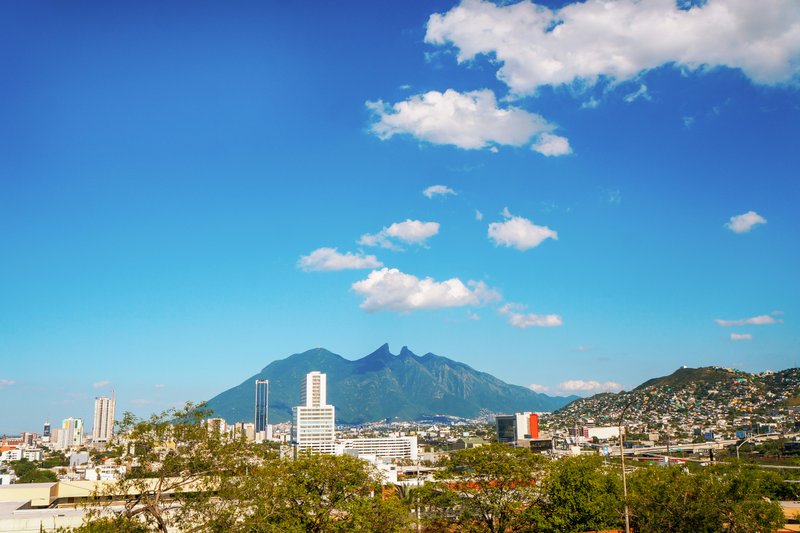
Explore MexicoMexico's industrial powerhouse reveals an unexpected sophistication beneath its reputation as a business hub. The Sierra Madre Oriental frames the city dramatically, with Cerro de la Silla's distinctive saddle-shaped peak visible from downtown terraces. San Pedro Garza García, the country's wealthiest municipality, concentrates the most refined dining and accommodations along tree-lined avenues that feel closer to Barcelona than to the border cities to the north.
The food scene draws heavily on norteño traditions — cabrito (roasted kid goat) remains the defining dish, slow-cooked over mesquite and served with flour tortillas made to order. Barrio Antiguo's restored colonial buildings now house mezcalerías and contemporary Mexican restaurants where young chefs reinterpret the region's ranching heritage. The city rewards visitors willing to look beyond first impressions, offering a culinary identity distinct from central Mexico and genuine warmth from regiomontanos proud of their independent spirit.