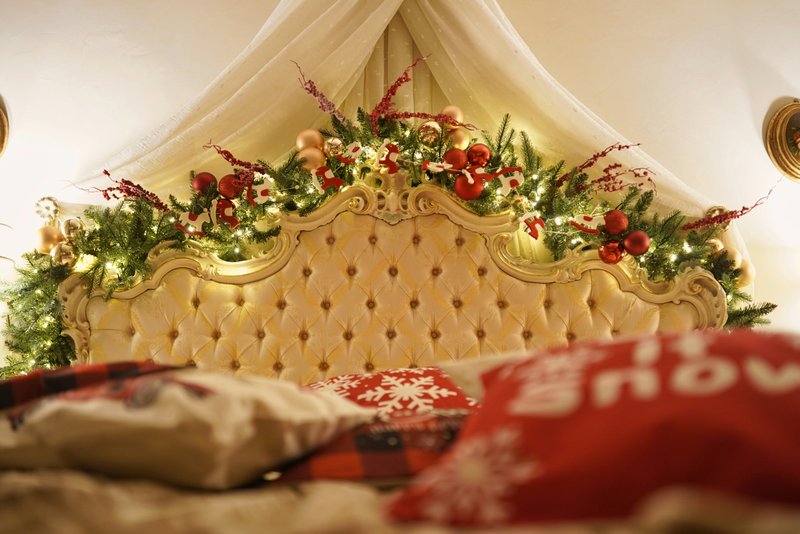
The Bianconi family has welcomed guests to this 16th-century palazzo for over 160 years, perfecting an intimate brand of Umbrian hospitality. Twenty-four rooms blend antique furnishings with contemporary design—one suite features the original Seneca family writing desk. Below ground, a vaulted spa houses chromotherapy pools and hammam. The real draw: Vespasia restaurant, Michelin-starred and Green-starred, plus truffle hunts through Italy's black truffle capital.
Where to Stay
An entire medieval village restored stone by stone, Castello di Postignano operates as an albergo diffuso—sixty apartments scattered through immaculate labyrinthine streets rather than stacked in a single building. The acclaimed on-site restaurant and atmospheric bar anchor communal life, while family suites make this an inspired choice for multigenerational groups seeking authentic Umbrian immersion without sacrificing comfort.
Where to Eat
A 17th-century grain mill turned dining room provides the atmospheric backdrop for chef Giulio Gigli's hyper-local cooking, where nearly every ingredient originates within 20 kilometers. His two tasting menus interpret Umbrian traditions through a contemporary lens, occasionally incorporating unexpected elements from further afield. The wine program champions organic and biodynamic producers, earning both a Michelin star and Green Star for sustainability.
A Japanese chef with deep roots in Italian gastronomy commands the kitchen at this Michelin-starred table within Palazzo Seneca, where the Bianconi family has cultivated hospitality for generations. Her creative, occasionally complex plates showcase Umbrian terroir—Sibillini lamb, Cannara onions, prized black truffle—while a Michelin Green Star acknowledges the restaurant's sustainable approach. The elegant Sala del Vespasia rewards those seeking refined regional cuisine with substance.
Beneath the Sibillini mountains, chef Enrico Mazzaroni sources mushrooms, trout, venison, and potatoes from his own agriturismo, transforming regional ingredients through decidedly creative technique. His signature trout and veal with mushrooms demonstrates precise flavor balance, while the Michelin Green Star reflects a genuine commitment to sustainability. The remote setting rewards travelers seeking one-star dining rooted in terroir and technical mastery.
Inside Casa Bianconi, a frescoed dining room once part of the town's old granaries hosts this Bib Gourmand address. The kitchen honors Umbrian tradition with 24-month prosciutto of remarkable depth and tagliatelle enriched with ricotta and sausage—classics refined rather than reinvented. A wood-fired grill turns out beef and lamb daily, delivering honest regional cooking at exceptional value.
What to Do
Beneath the vaulted stone ceilings of a sixteenth-century palazzo, this 250-square-meter spa draws on the botanical heritage of the surrounding Sibillini Mountains. Bespoke herbal infusions accompany sessions in the sauna, Turkish bath, and hot tub, while yoga and meditation deepen the restorative arc. Beyond treatments, guests pursue truffle hunts and wine tastings—wellness woven into Umbria's culinary heartland.
Frequently Asked Questions
When is the best time to visit Norcia for black truffle season?
+
The prized tartufo nero di Norcia peaks from December through March, when local hunters and their dogs work the oak forests daily. February brings the Mostra Mercato del Tartufo Nero, filling the town with truffle vendors, cooking demonstrations, and serious buyers from across Italy.
How accessible is Norcia after the 2016 earthquake?
+
The town has largely reopened to visitors, with most hotels, restaurants, and shops operational. The Basilica di San Benedetto remains under restoration, but the historic walls, main piazza, and surrounding countryside are fully accessible. Reconstruction continues to reveal newly restored buildings each season.
What is the Piano Grande and how do I reach it from Norcia?
+
The Piano Grande is a vast karst plateau at 1,300 meters elevation, roughly 25 kilometers east of Norcia via a winding mountain road through Castelluccio. From late May to early July, the plain erupts in the fiorita — a spectacular bloom of poppies, cornflowers, and lentil flowers that draws photographers from across Europe.
Nearby Destinations
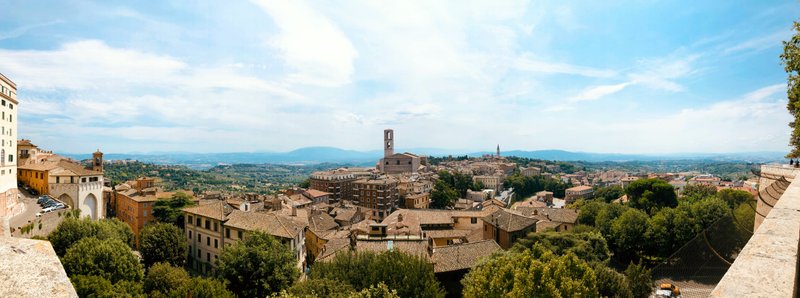
Explore ItalyNorcia sits at 600 meters elevation in the Sibillini Mountains, a walled medieval town that gave the world Saint Benedict and a centuries-old tradition of norcini — master butchers whose black truffles and wild boar salumi remain unsurpassed. The 2016 earthquake damaged much of the historic center, yet the town's resilience shows in every restored palazzo and reopened bottega along Corso Sertorio.
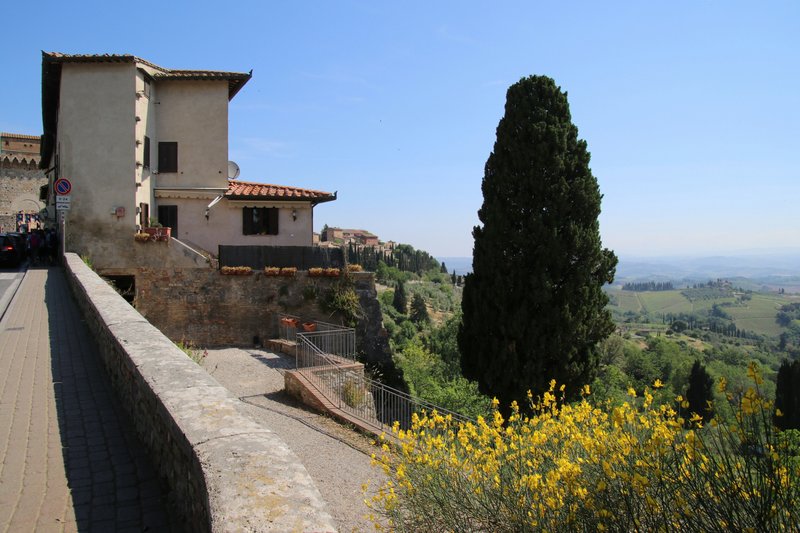
The Valnerina valley cuts southeast through dramatic gorges toward Cascia and the Piano Grande plateau, where spring wildflowers carpet the high plains in sudden, overwhelming color. Properties here range from converted medieval abbeys to working agriturismi where breakfast means fresh ricotta and chestnut honey. The rhythm is unhurried: morning markets in Piazza San Benedetto, afternoon drives through villages like Preci and Castelluccio, evenings defined by tartufo nero shaved over hand-rolled strangozzi.