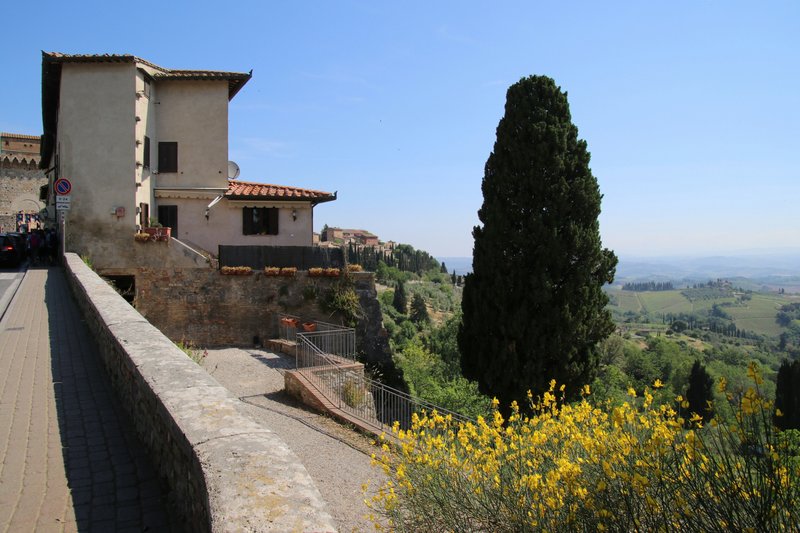
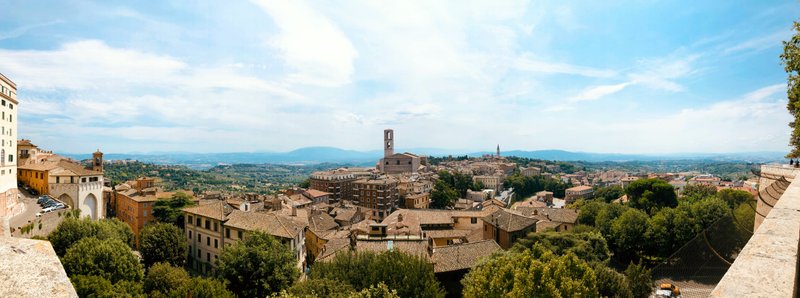
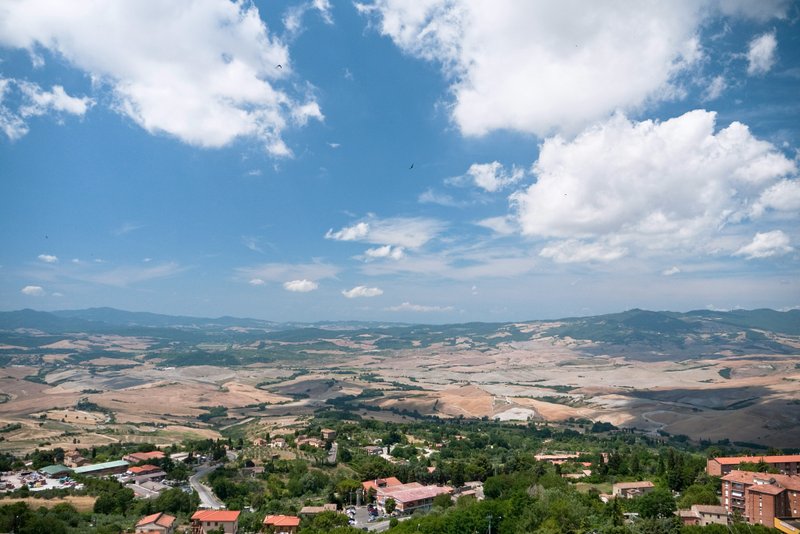
A restored medieval village sprawls across 2,700 acres of organic Tuscan countryside, the Ferragamo family's ambitious vision realized since 1993. The main villa, built for a prince in 1848, anchors an estate producing acclaimed wines from over a hundred acres of vineyards. Guests take painting lessons with village artisans, hunt truffles, drift over the landscape by hot-air balloon, or master regional dishes alongside the chef.
Where to Stay
A fifteenth-century hunting lodge restored with uncommon intelligence, Villa di Piazzano occupies the liminal ground between Tuscany and Umbria, minutes from Cortona and Lake Trasimeno. The atmosphere tends toward the erudite rather than the ostentatious, drawing a sophisticated repeat clientele who value fine dining and impeccable service over flash. Among regional country house hotels, few rivals approach this level of refined character.
Four centuries of Tuscan history live within these restored stone buildings, once the residence of poet Antonio Guadagnoli. Rooms scattered across the villa, converted barns, and a former chapel feature terra cotta floors and antique furnishings without museum stiffness. The Michelin-starred restaurant draws food lovers to its glass conservatory and summer terrace, while week-long cooking courses offer deeper immersion into regional gastronomy.
Nine rooms occupy this redesigned Padronale residence overlooking the Val di Chiana toward Cortona, where Philippe Starck and Arne Jacobsen pieces sit alongside traditional antiques. Televisions give way to birdsong and carefully chosen music, reinforcing the guesthouse intimacy. Beyond the main building, an olive grove, pool, jacuzzi, tennis court, and wine cellar extend the property's quiet pleasures across the classic Tuscan landscape of cypress and silver-green groves.
A fifteenth-century monastery crowning the Cortona hillside, its original frescoes and vaulted ceilings preserved beneath a meticulous restoration. The spa's indoor pool glows beneath ancient stone archways, while a former friars' garden has become a sun-drenched terrace with swimming pool and panoramic views. Evenings call for the house negroni—a Tuscan classic reimagined—served on the rooftop as the hills fade to dusk.
The Ferragamo family's former summer estate now operates as a refined Tuscan retreat, its 16th-century manor house and cypress-shaded villas scattered across manicured grounds half an hour from Florence. Private pools accompany each villa, while the original manor—Villa Viesca—sleeps eighteen with its own chapel and gardens. Il Borro Tuscan Bistro anchors the culinary program, offering cooking classes alongside rustic regional dishes and estate wine tastings.
A complete fortified medieval village preserved by the same family for generations, Castello di Gargonza scatters its accommodations through honey-coloured stone houses along ancient lanes. The panoramic Tuscan views sweep across valleys from every vantage point. Days drift between the large outdoor pool and a restaurant devoted to regional cooking, creating an atmosphere of deep, unhurried tranquility suited to travelers seeking immersion in authentic Italian heritage.
This agriturismo occupies a serene stretch along the Arno river, its interiors dressed in natural materials that echo the surrounding Tuscan woodland. The on-site restaurant draws from the property's own sustainable gardens, producing inventive dishes with genuine farm-to-table integrity. Secluded outdoor spaces, table tennis, and interconnecting rooms make it particularly suited to families seeking a countryside retreat with substance.
Perched above the Valdambra valley in the hamlet of San Pancrazio, this six-room palazzo pairs Italian antiques and restored wooden floors with contemporary comforts. Walled gardens reveal rose beds, an organic kitchen garden, and a swimming pool ringed by shaded loungers. Cooking classes in a dedicated studio and aperitivo at L'Orto Bar round out the experience—ideal for families and couples seeking an intimate Tuscan retreat near Arezzo.
Built atop 15th-century foundations, this ten-room boutique hotel channels the spirit of Bruce Chatwin, its interiors designed as a tribute to the restless travel writer. The location proves ideal for Arezzo's famed antiques fair, with Piazza Grande mere minutes away and Giorgio Vasari's fresco-filled Renaissance residence within walking distance. A sauna and jacuzzi offer recovery after days spent exploring Tuscan hill towns.
Where to Eat
Chef Luca Fracassi's one-starred Octavin occupies a minimalist ground-floor space in an old Arezzo palazzo, stone and iron setting the tone for just twenty diners. His cooking mines the province's diverse terrain for wild ingredients—snails, game, foraged botanicals—reviving forgotten Tuscan preparations with occasional Eastern inflections. A zero-waste ethos and fierce attention to flavour integrity reward those seeking substance over spectacle.
Driving through dry-stone-walled lanes to reach this former conservatory within a 17th-century estate near Cortona builds anticipation for what follows. Chef duo Silvia Baracchi and Richard Titi draw on five generations of family farming, their one-Michelin-star menu rooted in estate-grown wine and olive oil. Chianina beef, hand-rolled pici, and local garlic arrive fragrant with wild herbs—Tuscan terroir distilled onto the plate.
Piazza Grande's medieval arcades frame this contemporary Italian table where chef Fatjon crafts seasonal compositions with notable precision—his signature pigeon arrives as breast, leg, and fillet, each cut treated distinctly, finished with sweet onion and cocoa nibs. Lorenzo's wine counsel steers toward discoveries like Maturato Tiberini from late-harvest grapes, while dedicated cocktail staff bookend the meal with equal finesse.
A thousand-hectare Valdarno estate surrounds this restaurant, set within the stone walls of a restored medieval village. The kitchen draws directly from the property's gardens, shaping three tasting menus rooted in hyperlocal produce. Summer brings terrace dining with sweeping countryside panoramas; cooler months shift guests to an intimate room where an open kitchen anchors the soft, elegant space.
Behind a wooden door on Anghiari's cobbled lanes, Da Alighiero reveals a brick-vaulted dining room lined with old cupboards, bottles, and local art. The kitchen honors Tuscan tradition with robust regional dishes—the tripe in spicy red sauce demands attention. Host Gianni steers diners through an eclectic wine list with infectious enthusiasm. A Bib Gourmand address for authentic, unpretentious eating.
A Bib Gourmand address on via Ghibellina, La Bucaccia delivers Arezzo's rustic Tuscan repertoire across two intimate dining rooms with stone walls and candlelit warmth. Owner Romano orchestrates the evening with theatrical flair, presenting robust regional plates between bursts of storytelling. A handful of terrace tables spill onto the medieval street—ideal for travelers seeking authentic local flavor without formality.
Barlèsh occupies a quiet lane in Montevarchi with the warmth of a private dining room, where the chef's self-described spontaneous cuisine shifts fluidly between tradition and invention. A six-course tasting menu delivers the full arc of this philosophy, while à la carte options—shareable plates, robust mains, considered desserts—suit those preferring to graze. Michelin Plate recognition confirms the kitchen's steady hand.
A restored farmhouse at the base of Cortona houses this dual-purpose address: the ground floor operates as a wine bar where guests linger over aperitifs and browse local provisions, while upstairs the restaurant delivers a menu rooted in tradition yet alert to the seasons. Summer draws diners to the terrace, and the Michelin Plate confirms the kitchen's reliable hand.
A circular terrace frames the entrance to this Michelin-recognized trattoria in Loro Ciuffenna, where the kitchen draws exclusively from Tuscany's larder—house-cured hams, handmade pasta, and the region's prized beef cuts. The interior keeps things deliberately plain, letting the quality of ingredients speak. Travelers seeking an overnight stay find rustic guestrooms upstairs, extending the farmhouse experience.
Overlooking Piazza San Francesco in Arezzo's historic quarter, Le Chiavi d'Oro delivers creative Tuscan cuisine widely considered among the region's finest. The minimalist dining room, accented with elegant wood, keeps attention fixed on the plate—where traditional recipes receive inventive, contemporary treatment. Each course builds on the last, the menu structured as a crescendo of regional flavors that rewards those who settle in for the full progression.
What to Do
Within the Ferragamo family's 2,700-acre organic wine estate, Spa La Corte occupies an exclusive suite where hydromassage, Turkish bath, and sauna create a private wellness sanctuary. The infinity pool commands sweeping views across Tuscan hills to distant medieval villages. Yoga sessions, beauty treatments, and a dedicated fitness area complement the sensorial therapies, offering restoration amid one of Tuscany's most storied agricultural landscapes.
Thesan Spa draws its treatments from the vineyards and olive groves surrounding Relais Il Falconiere, crafting personalized rituals with estate-produced wine and olive oil. The Acqua & vapori circuit layers heat with medicinal plants, salts, and aromatic essences, while a thermal sequence of sauna, hammam, and hot tub prepares guests for deeper restoration. An infinity pool frames views across the gardens to the Valdichiana below.
Frequently Asked Questions
When is the best time to visit Arezzo's antiques market?
+
The Fiera Antiquaria fills Piazza Grande and surrounding streets on the first Sunday of each month and the preceding Saturday. Arrive early morning for serious browsing before crowds peak around midday. September and June offer ideal weather without August's heat or winter's chill.
How do I book tickets to see the Piero della Francesca frescoes?
+
Reservations for the Basilica di San Francesco frescoes are essential, particularly during spring and autumn. Book through the official Arezzo museum system at least two weeks ahead. Visits are limited to twenty-five people every thirty minutes, with each slot lasting fifteen minutes inside the chapel.
What local dishes should I try in Cortona?
+
Cortona's trattorias excel at pici, thick hand-rolled pasta typically dressed with ragù di cinghiale or aglione, a garlicky tomato sauce. Ribollita, the Tuscan bread soup, reaches its proper density here. Local Valdichiana beef, including the famed Chianina breed, appears grilled as bistecca or in hearty stews.
Nearby Destinations
Explore ItalyArezzo rises from the Val di Chiana with the assured confidence of a city that once rivalled Florence. The Piazza Grande slopes dramatically beneath the Vasari Loggia, its monthly antiques market drawing collectors from across Europe. Piero della Francesca's frescoes in the Basilica di San Francesco remain the town's quiet triumph — visitors book weeks ahead for fifteen-minute slots before these luminous scenes of the True Cross.
Cortona commands its hilltop twenty kilometres south, medieval walls encircling steep vicoli that open suddenly onto views stretching to Lake Trasimeno. The Etruscan Academy museum holds bronze lamps and funerary objects from tombs scattered across the surrounding slopes. Restaurants here serve ribollita and pici with wild boar ragù in stone-walled dining rooms, while the better hotels occupy restored farmhouses in the olive groves below town, their pools overlooking cypress-lined ridges that have changed little since the Renaissance.