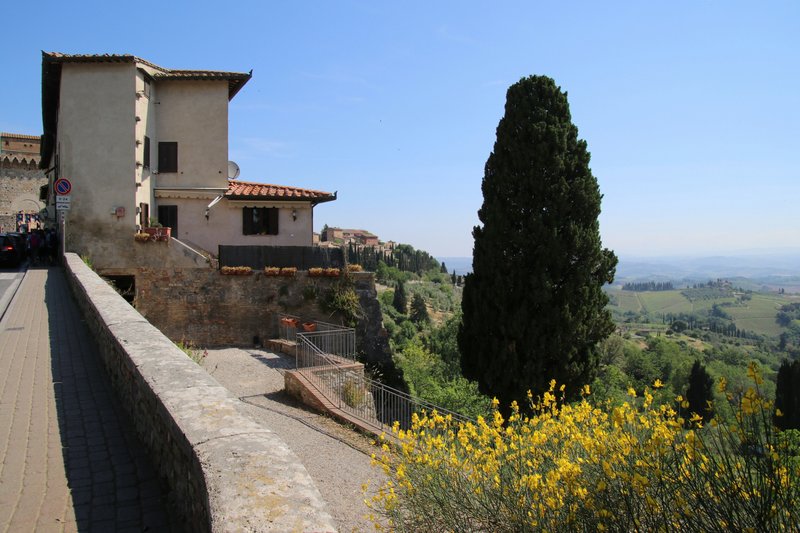
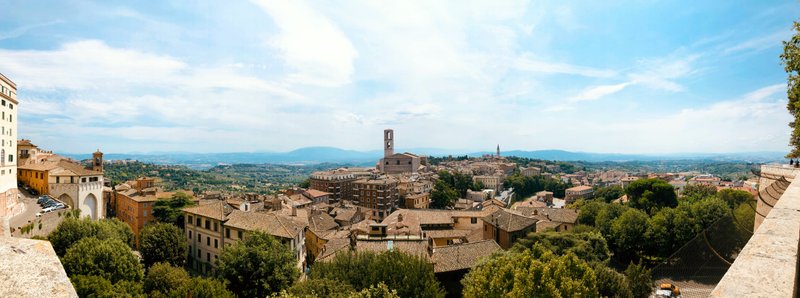
An entire medieval hamlet dating to the 8th century, Borgo San Felice sprawls across a Chianti hilltop with views stretching to Siena. The estate produces its own wine from surrounding vineyards, cellars seemingly endless beneath ancient stone. Il Poggio Rosso delivers modern Tuscan cuisine with a Michelin star and Green Star, while the spa draws on grape-must treatments rooted in the property's winemaking traditions.
Where to Stay
A 12th-century castle surrounded by 740 hectares of Chianti vineyards, COMO Castello del Nero pairs Renaissance frescoes with Paola Navone's minimalist grey-and-white interiors. Chef Giovanni Luca di Pirro's Michelin-starred La Torre showcases estate-grown organic produce, while the 1,000-square-metre Como Shambala spa offers Turkish bath, jacuzzi, and daily yoga sessions. The 25-metre pool overlooks rolling hills dotted with cypress trees—quintessential Tuscany for wellness-minded travelers.
An eleventh-century monastery crowns a Chianti hilltop southeast of Siena, its rough-hewn stone walls and vaulted ceilings now sheltering 70 rooms scattered across the original hamlet buildings, each with private courtyards and vineyard panoramas. The medieval wine cellar houses Cantina restaurant, while guided mushroom foraging excursions end with lunch prepared from the harvest. The modern Spa Monasterii and three pools complete a retreat for travelers seeking Tuscan authenticity with refined comfort.
A tenth-century episcopal residence along the Chiantigiana wine route, Pieve Aldina pairs restored sixteenth-century frescoes and vaulted terracotta-floored rooms with understated contemporary furnishings across 22 distinctive accommodations. The pool gazes over vineyard-striped hills, while spa treatments unfold beneath seventeenth-century ceilings. Chef Niccolo Pini anchors Le Rondini with daily-sourced Tuscan cooking. Ideal for travelers seeking wine-country immersion with architectural gravitas.
A working wine estate producing acclaimed Chianti vintages, Castello di Ama doubles as a serious contemporary art destination, with site-specific installations scattered among its vineyards and olive groves. The nine elegantly appointed rooms channel Tuscan refinement without excess, while day trips to Siena and Florence take under an hour. Best suited to couples seeking cultured seclusion over family-oriented amenities.
This ancient farm estate near Castellina in Chianti trades polish for authenticity, its weathered stone buildings surveying vine-striped hills that have changed little over centuries. Families settle easily into interconnecting rooms while the property's own wines appear at an excellent on-site restaurant. A swimming pool, organized activities, and an unpretentious atmosphere make it ideal for those seeking rural Tuscan immersion without sacrificing comfort.
A thousand-year-old monastery turned medieval castle, Castello di Spaltenna spreads its 37 rooms across ancient stone buildings amid the Chianti vineyards. The wine cellar stocks hundreds of labels—some from the estate's own vines—while Il Pievano delivers Michelin-starred dining alongside a casual osteria and tavern terrace. A Turkish bath, sauna, and twin pools complete the picture for families and couples seeking historic immersion with modern comfort.
Six centuries of winemaking heritage unfold across Fonterutoli's 50-acre vineyard estate, where a medieval hamlet has been reimagined as refined accommodation. Stone buildings house stylish rooms and family apartments suited to multigenerational stays, while the surrounding Chianti Classico landscape delivers some of Tuscany's most celebrated wines directly to guests who wish to immerse themselves in viticulture.
An 11th-century monastery perched high in the Chianti hills, Badia a Coltibuono—the 'Abbey of Good Harvest'—has welcomed travelers from pilgrims to popes across a thousand years. The estate sprawls across 2,000 acres of woodland, with Renaissance gardens sheltering a pool and playground. Family flats sleeping up to seven make this wine-focused retreat particularly suited to multigenerational gatherings seeking Tuscan authenticity.
A sixteenth-century Tuscan farmhouse turned intimate winery-hotel, Capannelle offers just five rooms amid its own vineyards and olive groves near the peaceful market town of Gaiole-in-Chianti. Private gardens wrap the stone building, providing a contemplative retreat far from Florentine crowds. The suite accommodates families comfortably, making this an appealing choice for wine-focused travelers seeking authentic Chianti immersion.
Where to Eat
Chef Antonio Iacoviello brings Campanian roots and international polish to this one-Michelin-starred table in Chianti, crafting menus that range from a tribute to his homeland through meat-centered Tuscan compositions to an entirely plant-based progression. Sommelier Elisabetta steers guests through more than 800 labels, with strong by-the-glass options. Summer service moves to a serene historic courtyard—an ideal setting for unhurried, destination dining.
Chef Giuseppe Iannotti, whose two-starred Krèsios in Telese Terme earned him national acclaim, brings his blind tasting format to this intimate dining room near Pievasciata's contemporary art village. The single menu unfolds as a succession of surprise courses, pivoting between land and sea with a pronounced vegetable focus. His pigeon, paired with rhubarb and absinthe sauces, exemplifies the precise, inventive cooking that defines the experience.
Within the ancient stone walls of a 12th-century castle, chef Di Pirro crafts one-starred Tuscan cuisine that draws from an on-site organic garden yielding ten tomato varieties. Three tasting menus—vegetarian, land, and sea—showcase technical precision paired with estate olive oil and wines from the castle's own cellars. The summer terrace delivers panoramic Chianti views as compelling as the plates.
Athenian chef Stelios Sakalis brings a distinguished career spanning France, England, and Italy to this one-starred table within Borgo San Felice Resort. His Tuscan cooking carries subtle Mediterranean inflections—echoes of his Greek origins woven through regional ingredients with precision and restraint. A Michelin Green Star signals the kitchen's commitment to sustainable practices, making this an address for travelers seeking both culinary finesse and environmental conscience amid the Sienese countryside.
Within the ancient stones of a restored hamlet near Castelnuovo Berardenga, chef Davide Canella orchestrates a meat-driven menu punctuated by inventive flourishes—duck breast paired with hosomaki, prawns elevated by traditional panzanella. The one-starred kitchen offers both tasting and à la carte formats, while sommelier Manuela guides diners through Tuscan vintages with assured precision. A refined Chianti table for serious gastronomes.
A converted stable at the entrance to Villa a Sesta, L'Asinello brings one-Michelin-star refinement to the Chianti countryside. The chef-owner's traditional Tuscan cooking favors restraint—minimal ingredients, precisely balanced—while his meticulously tended garden doubles as the summer dining room. Evenings unfold to the hum of village life, neighbors' voices drifting through the warm air, an Italy increasingly rare to find.
A French chef's passion for Tuscan traditions shaped this rustic dining room in Villa a Sesta, where stone walls and vintage rural artifacts set the scene for deeply regional cooking. The kitchen honors old-world techniques: pork liver slow-cooked, rested in fennel-scented lard, then served warm atop local green beans. Simple preparations, executed with patience, reveal Chianti's culinary soul.
A shaded terrace overlooking Chianti vineyards sets the stage for deeply traditional Tuscan cooking at this San Donato in Poggio address. The kitchen excels with handmade semolina pappardelle dressed in duck or hare ragù according to the season, while tagliolini arrive fragrant with zucchini flowers and truffle. Generous fritto misto and properly aged Florentine steak complete the regional repertoire.
Chef Guido builds his menus around the rhythms of the Chianti countryside, sourcing extra virgin olive oil from nearby Poggibonsi and Castellina estates. His signature beetroot risotto arrives with pancetta, crème fraîche, and nasturtium—only when the season allows. The cellar rewards exploration, particularly Amphoreum, a house-produced Trebbiano orange wine distinguished by its saline minerality.
A Bib Gourmand-awarded trattoria in the Chianti hills, Osteria Le Panzanelle delivers hearty regional cooking in a shady garden setting. The kitchen excels at hand-rolled pici with garlic and slow-cooked meats—rabbit stuffed with spinach among the signatures. Fridays bring fresh catches from Elba, while the wine list surveys Tuscan estates with care. Reservations recommended.
What to Do
Perched along the Chiantigiana wine road between Siena and Florence, this spa draws its character from the surrounding Tuscan terrain. An infinity pool gazes out over silvery olive groves, while two massage rooms, an infrared sauna, and hammam provide thorough restoration. Cypress-lined paths wind through the estate for contemplative walks, and discreet sun decks offer silent communion with vineyard panoramas stretching toward distant hills.
An ancient mill within an 11th-century Chianti Classico hamlet now houses The Botanic Spa, its treatment rooms overlooking a century-old olive grove. The wellness circuit moves through Kneipp pools, sensory showers, hammam, and sauna, while therapists work with estate-grown grape extracts and Tuscan botanicals. The vineyard setting reinforces the connection between terroir and restoration.
Frequently Asked Questions
What is the best way to explore the Chianti wine region?
+
A car provides the most flexibility on the winding back roads, though several estates offer transfers from Florence or Siena. Cycling routes follow quieter lanes through vineyard country, and guided walking itineraries connect villages along ancient pilgrimage paths. Many visitors base themselves at a single property and arrange cellar visits and tastings within a short radius.
When is the ideal season to visit Chianti?
+
Late April through June offers wildflowers, mild temperatures, and the green flush of new growth. September and October bring the grape harvest, cooler evenings, and the scent of fermenting must drifting from cantinas. Summer is warmer and busier; winter quieter, with truffle season and olive pressing drawing culinary travelers.
Are Chianti hotels suitable for guests without a car?
+
Some larger estates provide shuttle services to nearby towns and train stations, while smaller properties can arrange private drivers or transfers on request. A handful of hotels sit within walking distance of village centers with restaurants and shops. Confirm transport options when booking, particularly for remote farmhouse conversions.
Nearby Destinations
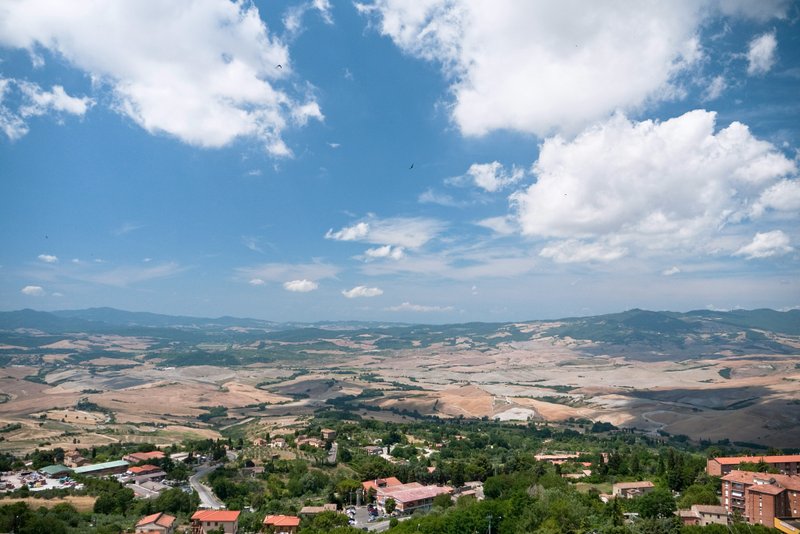
Explore ItalyThe Chianti hills roll between Florence and Siena in a patchwork of silvery olive groves, dark cypress avenues, and vine rows that shift from emerald to rust with the seasons. Stone villages like Greve, Radda, and Castellina crown the ridges, their piazzas anchored by butchers aging wild boar salumi and enotecas pouring Sangiovese by the glass. This is working agricultural land where many estates have opened their manor houses and converted farmsteads to guests, offering rooms with terracotta floors, beamed ceilings, and views across their own vineyards.
Dining follows the rhythm of the harvest. Spring brings fresh pecorino and fava beans; autumn means ribollita thickened with cavolo nero and plates of pappardelle dressed in hare ragù. Most kitchens source from within a few kilometers, and meals often conclude with vin santo and cantucci in a centuries-old cellar. Beyond the table, the territory rewards slow exploration — Romanesque parish churches along the Via Chiantigiana, Renaissance cloisters converted to tasting rooms, and footpaths threading through oak forests where porcini hunters work at dawn.