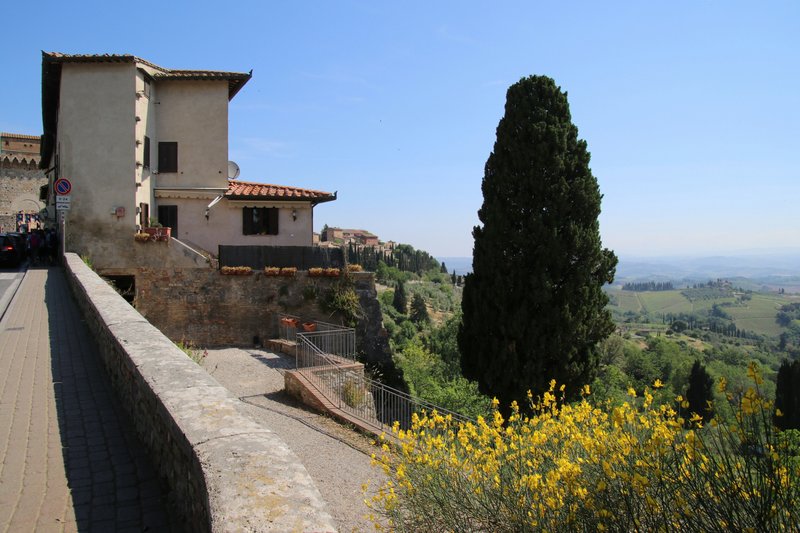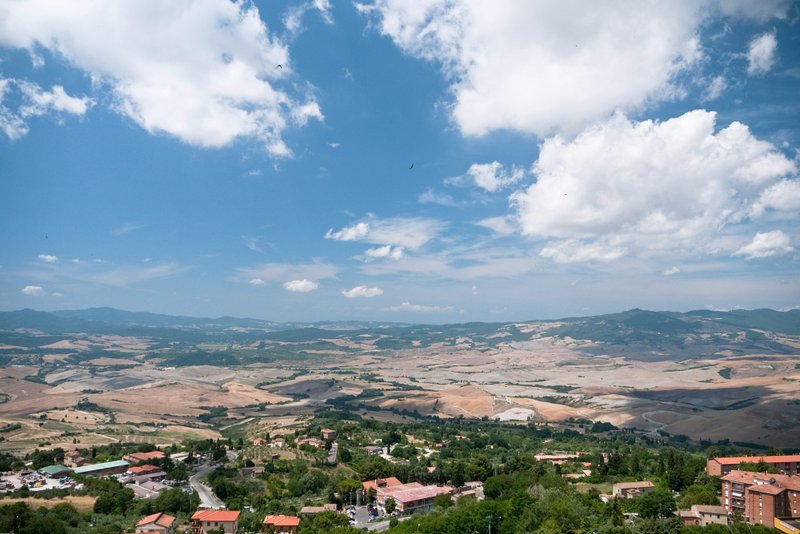
Spread across a 750-acre organic estate between Volterra and San Gimignano, Borgo Pignano occupies a 12th-century hamlet where honey-colored stone buildings preserve vaulted ceilings and medieval frescoes. Eight private villas with individual pools complement the main house, while a salt-water infinity pool surveys the Tuscan hills. The estate's farm feeds three restaurants; autumn brings truffle hunts, and stables offer rides through forest trails. Ideal for families and couples seeking immersive countryside luxury.
Where to Stay
Where to Eat
Perched in the medieval village of Rivalto with sweeping Tuscan hill views, this agriturismo restaurant channels farm-to-table authenticity through dishes crafted from estate-grown produce. The charcoal grill delivers impeccable ribeye, while the signature girarrosto—boned pigeon and quail with potato rösti and ginger-glazed carrots—rewards adventurous palates. Summer tables beneath ancient lime trees complete the pastoral setting.
Fifteen kilometers from Volterra, a 300-hectare estate operates as a self-sustaining gastronomic universe. Villa Pignano holds a Michelin Green Star for its zero-mile philosophy—vegetables, grains, olive oil, honey, chicken, and pork all come from the property. The kitchen transforms this harvest into elaborate contemporary plates, fresh and vivid, while the wine list champions organic Tuscan producers alongside estate-grown bottles.
Behind Volterra's castle walls, Enoteca Del Duca occupies a dining room of exposed ancient stone that sets the mood for its regionally rooted Tuscan cooking. The kitchen delivers classic preparations with confidence, steak holding an honored place on a menu built around local tradition. When summer arrives, an outdoor terrace offers al fresco dining within steps of the main piazza—a Michelin Plate address worth seeking out.
Formerly Il Frantoio, this Michelin Plate restaurant relocated to spacious new premises outside Montescudaio, trading its town-centre address for expansive kitchens and a terrace that captures Tuscany's legendary sunsets. The cooking remains rooted in regional tradition while embracing contemporary techniques, offering a broad repertoire of modern Tuscan dishes that reward the short drive from Volterra.
What to Do
Spread across a 12th-century hamlet of honey-colored stone between Volterra and San Gimignano, Borgo Pignano draws its spa philosophy directly from the surrounding 740 acres. Signature treatments incorporate flowers, plant extracts, and essential oils harvested on the estate, delivered indoors or amid the gardens. A hammam, sauna, and yoga sessions complement the organic therapies, while eight private villas with pools offer seclusion among forest and medieval frescoes.
Frequently Asked Questions
Why is Volterra famous for alabaster?
+
The hills surrounding Volterra contain some of Italy's richest deposits of alabaster, a translucent mineral prized since Etruscan times. Local artisans have worked this stone for over 2,500 years, and today dozens of workshops along Via Porta all'Arco continue the tradition, producing everything from classical sculptures to contemporary lighting.
What is the best time to visit Volterra?
+
Spring (April-May) and early autumn (September-October) offer mild temperatures ideal for exploring the steep medieval streets on foot. Summer brings the Volterra AD 1398 festival in August, when the town recreates medieval life with costumed processions and traditional games. Winter sees fewer visitors and a more authentic atmosphere, though some establishments reduce their hours.
How does Volterra differ from other Tuscan hill towns?
+
Unlike the polished tourism of San Gimignano or Montepulciano, Volterra retains a working-town authenticity. Its Etruscan heritage predates Rome, visible in the Porta all'Arco gateway and the Guarnacci Museum's bronze collection. The alabaster trade provides economic independence from tourism, keeping the town's character intact year-round.
Nearby Destinations
Explore ItalyVolterra rises from the Tuscan hills like a fortress frozen in amber. The town's Etruscan walls, some dating back to the 4th century BC, still encircle a centro storico where artisans shape translucent alabaster in workshops unchanged for generations. Piazza dei Priori, the oldest communal square in Tuscany, anchors daily life beneath the severe facade of its 13th-century palazzo.
The dining scene draws from the surrounding Val di Cecina — wild boar ragù, pecorino aged in tufa caves, and ribollita thickened with black cabbage. Evening aperitivo unfolds along Via Matteotti, where locals gather at marble-topped bars as the sunset gilds the distant Apuan Alps. Accommodation options favor intimacy over scale, often occupying restored medieval townhouses where exposed stone walls and terracotta floors speak to eight centuries of continuous habitation.