

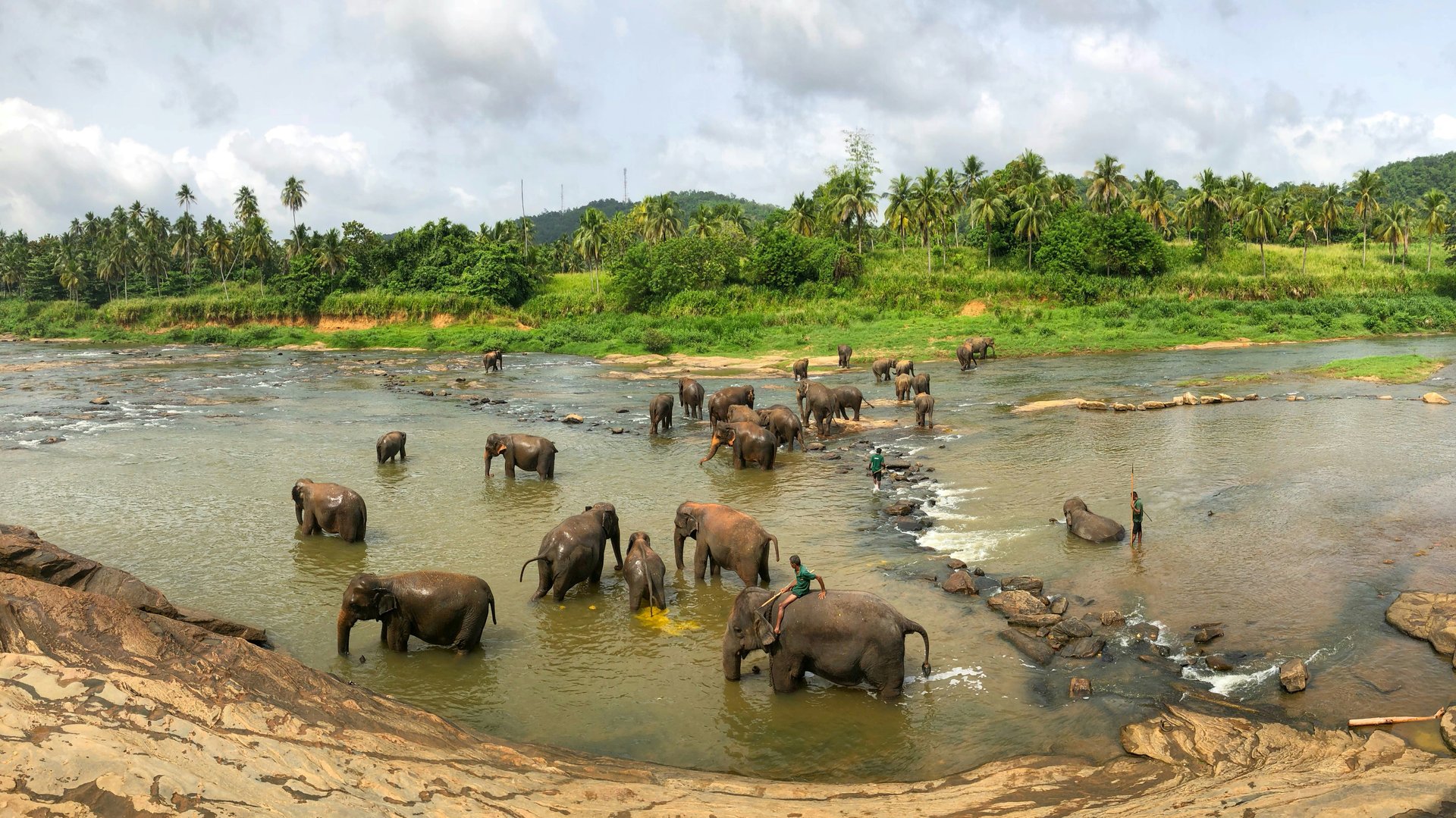
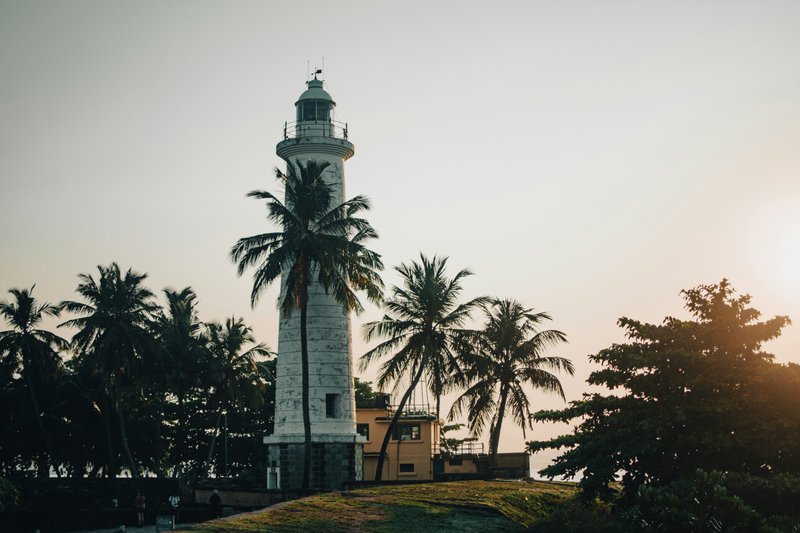

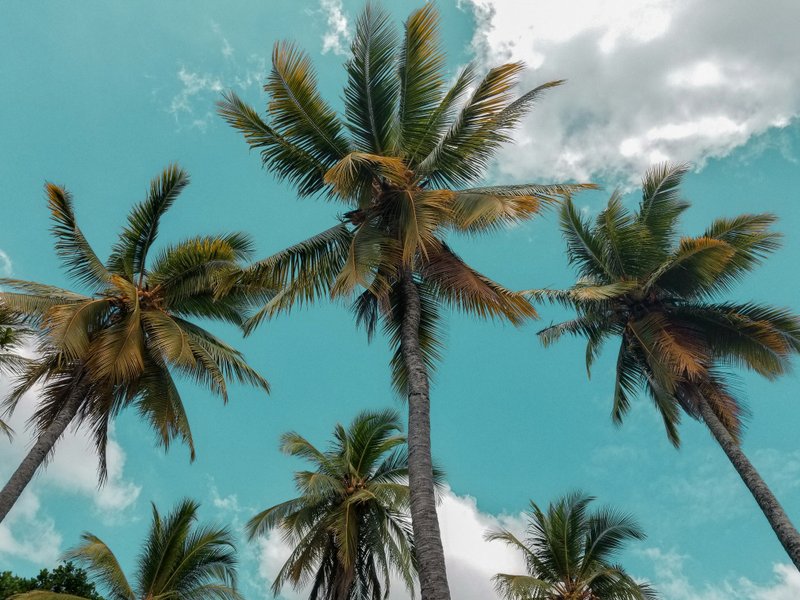
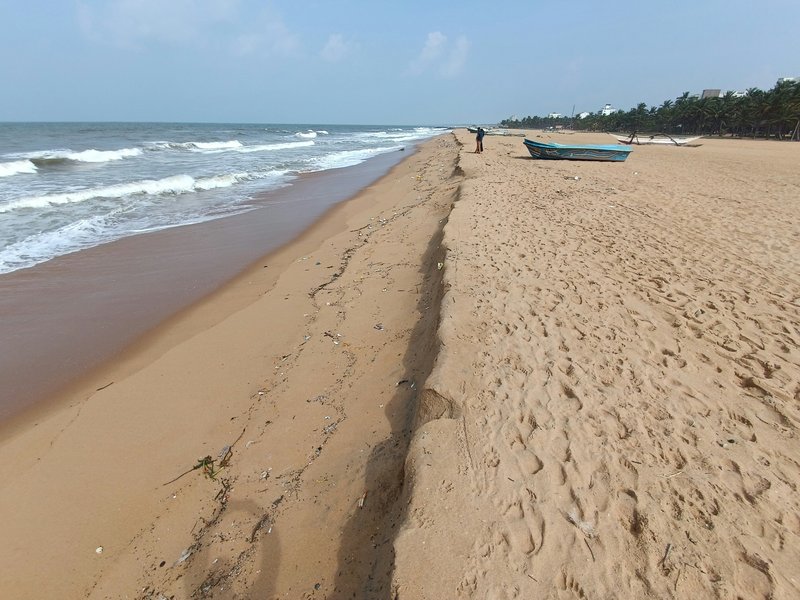
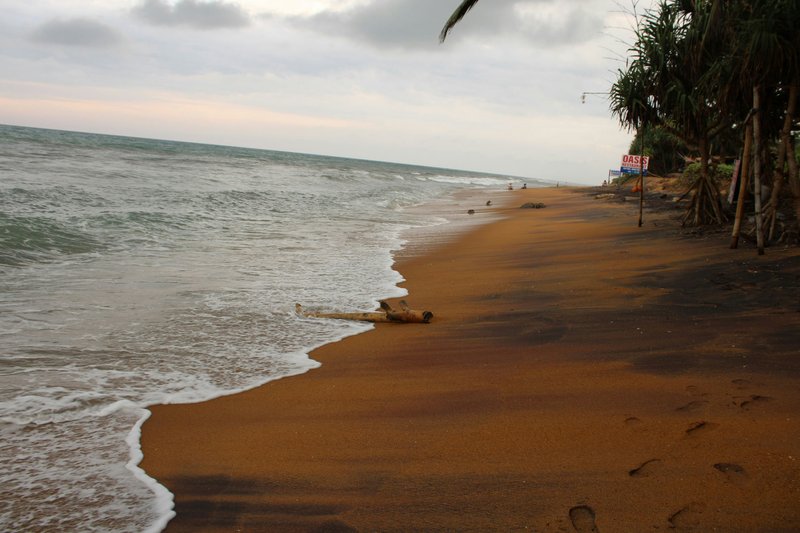
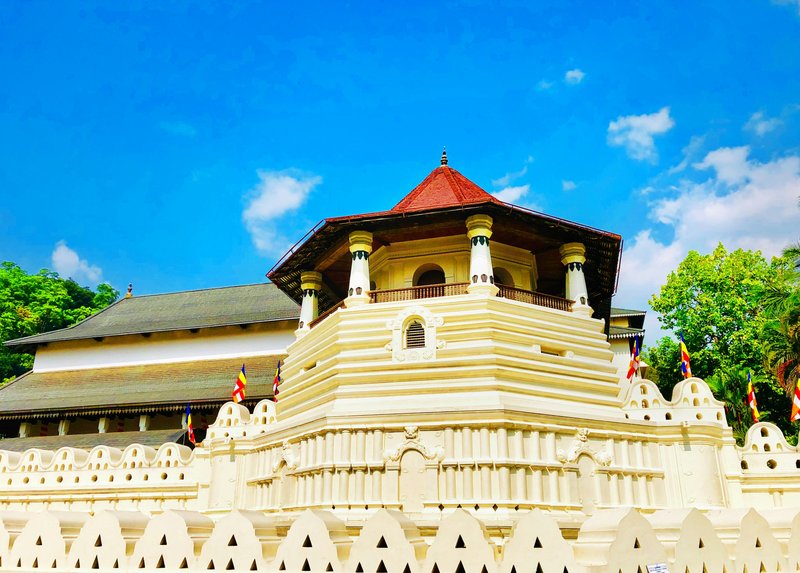
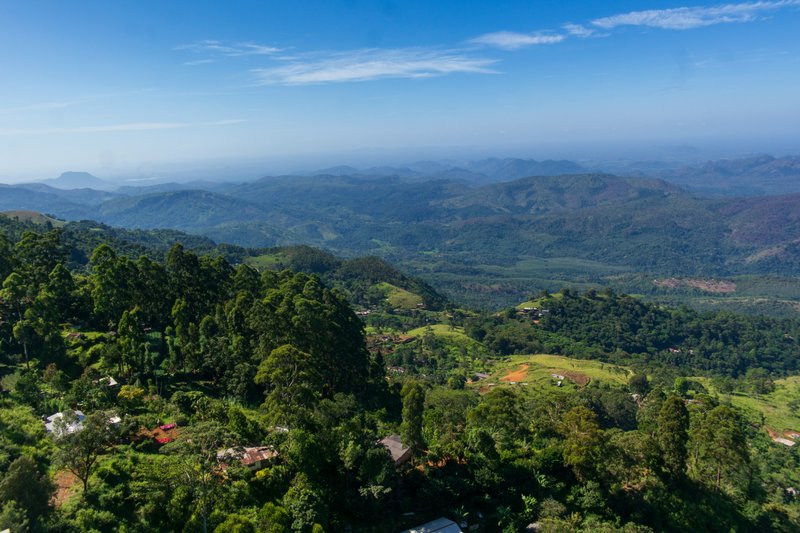
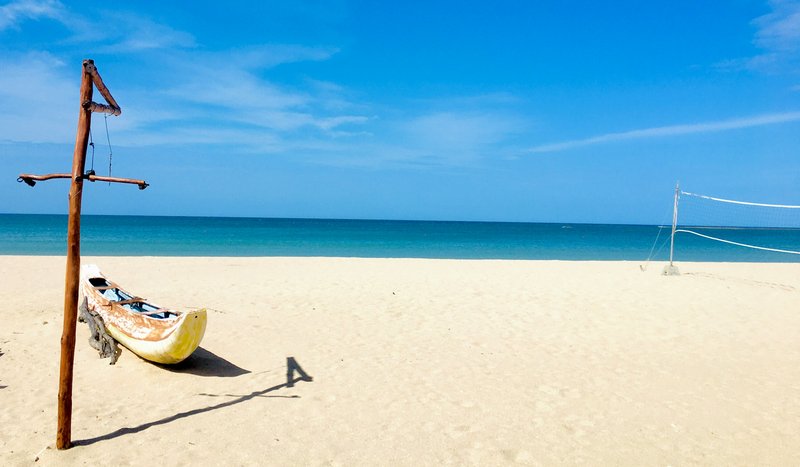
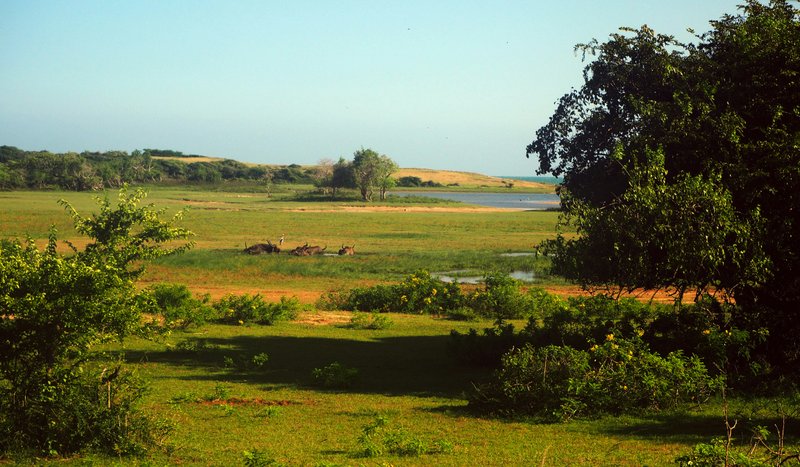
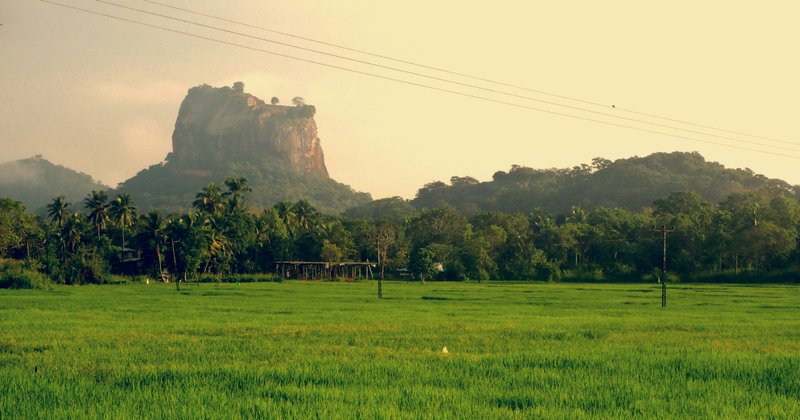
Sri Lanka's geography spans from misty highlands where colonial-era tea plantations cascade down hillsides to palm-fringed southern beaches and the arid plains of Yala, where leopards prowl through scrubland. The Cultural Triangle connecting Anuradhapura, Polonnaruwa, and Sigiriya draws travelers seeking ancient Buddhist ruins and fortress remains, while Galle Fort's seventeenth-century Dutch ramparts shelter boutique properties within coral-stone walls. The hill station of Nuwara Eliya maintains its British hill country character, and Kandy's Sacred Tooth Temple anchors the island's spiritual life.
Accommodation styles reflect this diversity: converted tea estate bungalows in the highlands offer verandah views over carpeted slopes, beach properties along the south coast from Tangalle to Mirissa capture Indian Ocean sunsets, and tented camps at the edge of national parks bring wildlife encounters. The dining scene draws on a complex spice trade heritage — rice and curry served on banana leaves, hoppers from street-side stalls, and contemporary kitchens reinterpreting traditional preparations. For travelers exploring South Asia, Sri Lanka offers a concentrated island counterpoint to the vastness of India and pairs naturally with the temple circuits of Cambodia or the cultural depth of Japan.