Twenty-eight architect-designed cocoons arranged in a leopard's paw formation occupy this unfenced stretch where Yala National Park meets the Indian Ocean. Copper bathtubs and private plunge pools furnish the canvas-wrapped suites, while sloths and wild boar wander the grounds freely. The bamboo-clad restaurant serves contemporary Sri Lankan cuisine; a Junior Ranger program and Fossil Room make this an intelligent choice for safari-minded families.
Where to Stay
Positioned closer to Yala National Park than any other property, this safari lodge arranges its 18 climate-controlled cabins along the coastline, each with a private pool overlooking the Indian Ocean. Wild elephants regularly wander through the grounds. Days unfold with expert-guided game drives, while evenings bring beach barbecues and sundowners facing the water. Families benefit from interconnected cabins and a Junior Rangers programme.
Emerald paddy fields stretch toward the Poonagala range from this rural retreat, where grizzled squirrels dart through gardens of exotic trees and birdsong punctuates the stillness. The kitchen draws on organic, home-grown produce for its menus, while a spa with children's fruit facials and on-request childminding makes it particularly suited to families seeking Sri Lanka's quieter, greener interior.
A 75-metre pool stretches toward a dramatic sand-duned beachfront at this safari hotel near Yala National Park's Palatupana entrance—prime territory for leopard sightings. The property leans into its wild setting with serious sustainability efforts while remaining firmly resort-comfortable. Families find practical appeal in the shallow children's pool and flexible room configurations, making it a solid base for wildlife expeditions.
Sprawling across 143 acres of former coconut plantation along Sri Lanka's rugged southeastern coast, Shangri-La's Hambantota commands attention as the country's largest resort. An 18-hole golf course winds through the grounds, while the Ayurvedic spa draws wellness seekers. Families gravitate toward the children's pool with waterslides and dedicated kids' club—a rare combination of scale and polish within striking distance of Yala's wilderness.
What to Do
Fresh ocean breezes sweep through Sanctuary Spa, perched where Yala's dense jungle meets the Indian Ocean shoreline. Therapists draw on Sri Lanka's botanical heritage, infusing treatments with native Ceylon tea and cinnamon through aromatic oils, invigorating scrubs, and warming wraps. The setting—within Wild Coast Tented Lodge's canvas cocoons overlooking national park wilderness—amplifies every ritual with raw, untamed beauty.
Frequently Asked Questions
When is the best season for leopard sightings in Yala?
+
February through July offers optimal conditions. The dry season concentrates wildlife around remaining water sources, and reduced vegetation improves visibility. Leopards are most active during cooler morning and late afternoon hours.
Which block of Yala National Park should visitors prioritize?
+
Block 1, the original reserve opened in 1938, maintains the highest wildlife density and most developed track network. It requires advance permits during peak season. Block 5, reopened in 2017, provides a quieter alternative with healthy elephant herds.
How do properties near Yala handle game drive logistics?
+
Most lodges arrange safaris through their own fleet of modified 4x4 vehicles with tracker-guides holding national park licenses. Drives typically depart around 5:30 AM and 3:00 PM, timed to park gate openings and animal activity patterns.
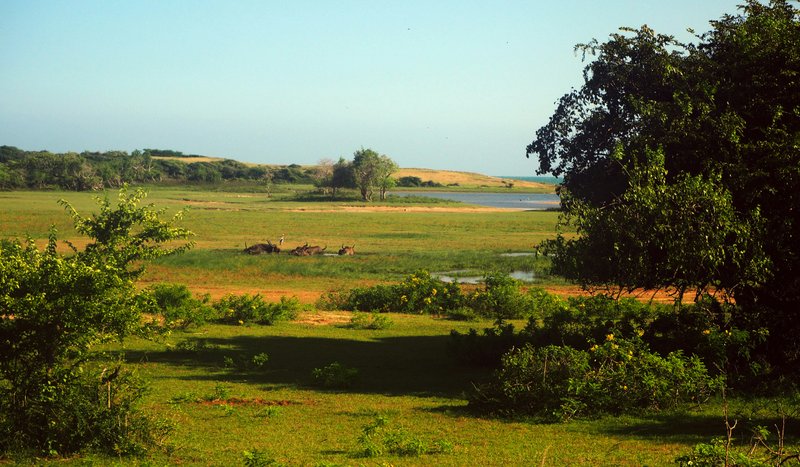
Sri Lanka's southern wilderness unfolds where the dry zone meets the Indian Ocean. Yala National Park, the country's most visited protected area, shelters one of the world's densest leopard populations alongside sloth bears, elephants, and over 200 bird species. The landscape shifts from thorny scrubland and rocky outcrops to coastal lagoons where crocodiles drift through brackish waters. Accommodation clusters along the park's western boundary near Palatupana, where properties position themselves for early-morning game drives through Block 1—the most wildlife-rich sector.
The rhythm here follows the animals. Guests rise before dawn for drives into the reserve, returning as the midday heat empties the bush. Afternoon safaris resume when shadows lengthen and predators stir. Properties range from canvas-walled tented camps recalling colonial-era expeditions to contemporary lodges with infinity pools overlooking watering holes. The nearby town of Tissamaharama, a 30-minute drive northwest, serves as the gateway settlement with its ancient dagobas and the sacred Tissa Wewa tank, a reservoir built by Sinhalese kings over two millennia ago.