


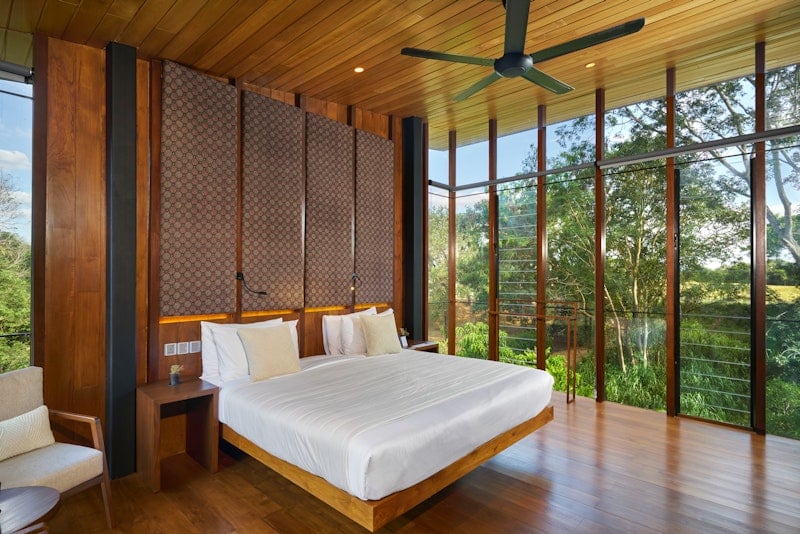
Peacocks strut through 58 acres of Sri Lankan wilderness where 25 private-pool villas occupy a sensitively restored colonial estate near Anuradhapura's ancient Buddhist shrines. The sunken spa burrows into an underground chamber for traditional therapies, while Liya Wela restaurant operates from the century-old manor house. Families find purpose here: horse riding, archery, kayaking, and junior ranger programs keep children engaged between Cultural Triangle excursions.
Sigiriya & Dambulla Travel Guide: Best Hotels, Restaurants & Experiences 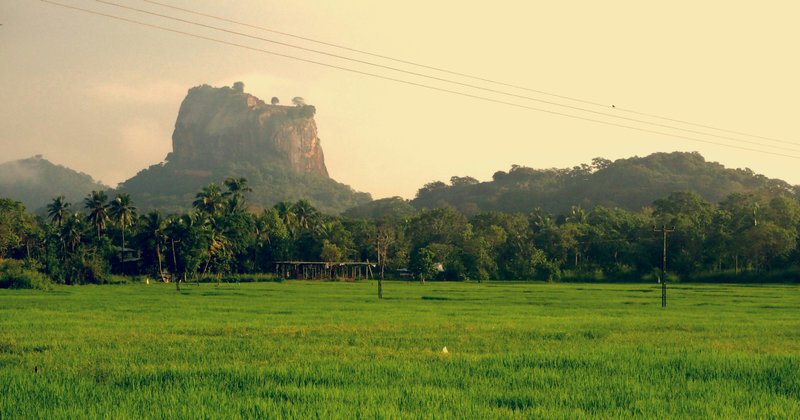
Explore Sigiriya Dambulla
Hotels (2)

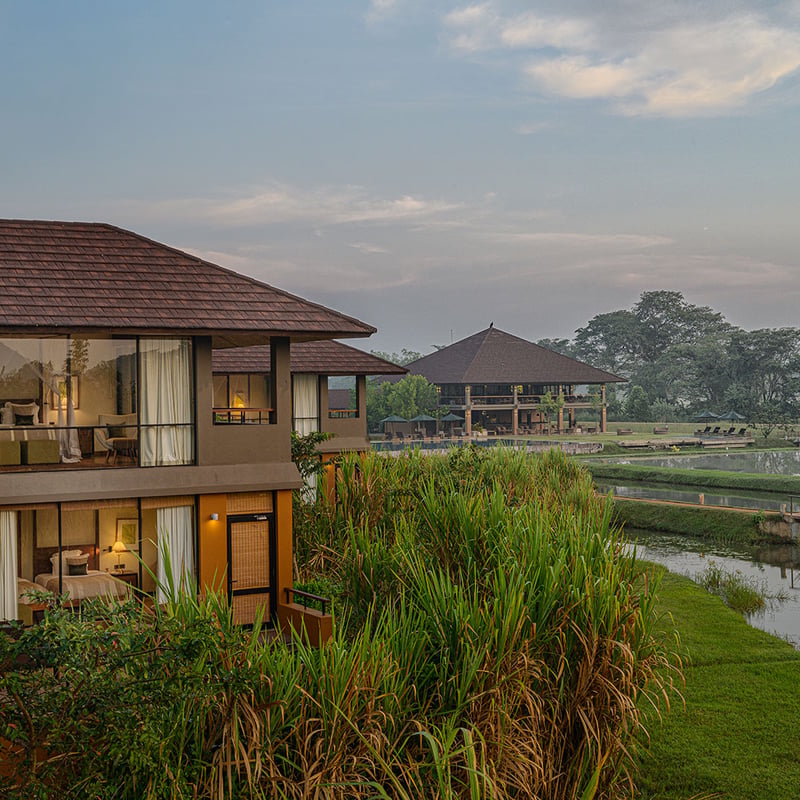
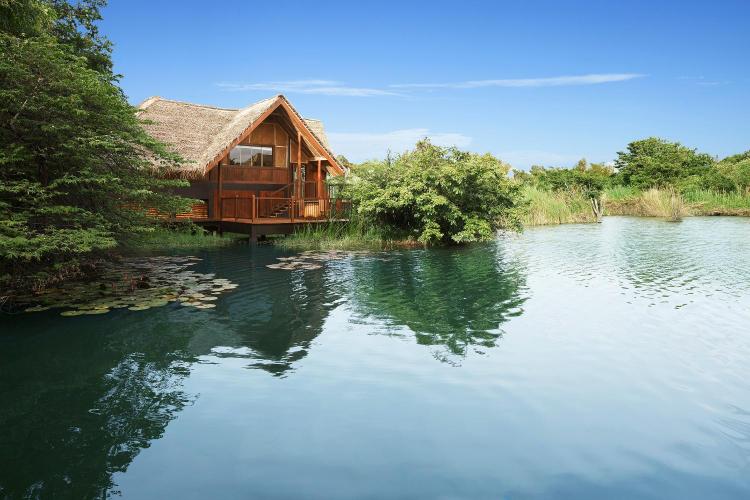
Architect Channa Daswatte shaped this property around a network of manmade pools, lakes, and streams that frame the ancient Sigiriya rock fortress on the horizon. Thirty free-standing villas—some surrounded by water like private islands, many with plunge pools—spread across the grounds. A full-service spa perches on stilts above one pond, completing an estate where Sri Lankan modernism and landscape merge with uncommon intelligence.

Sri Lanka's most ambitious eco-tourism project unfolds across man-made wetlands where 36 freestanding dwellings occupy five distinct habitats—forest, paddy, marsh, garden, and water. Wildlife thrives throughout, making this an exceptional choice for families; children explore nature trails while parents retreat to the spa. Some dwellings include private pools, and Garden Dwellings suit those traveling with toddlers.

Small Luxury Hotels
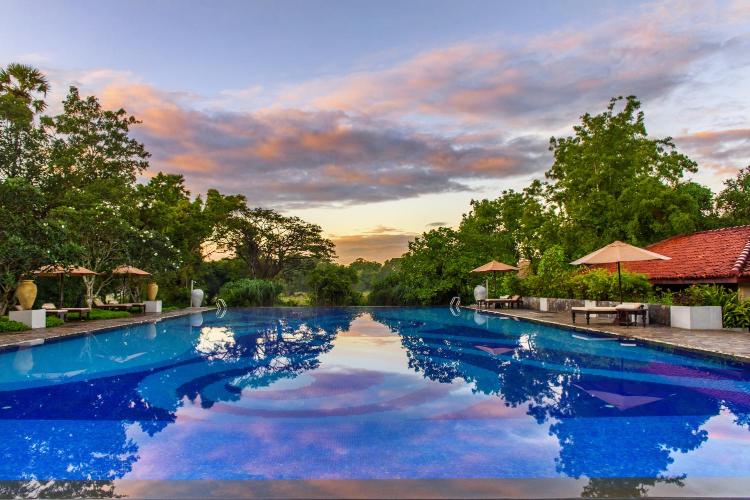
A wooden bridge crossing a gentle stream marks the threshold to this 13-room retreat where old-world Sri Lankan architecture meets contemporary boutique sensibility. Superior Rooms and Premier Chalets showcase exposed brick and timber craftsmanship, while a walled Wellness Pavilion beneath jungle canopy hosts yoga sessions. The infinity pool overlooks paddy fields, and the hotel arranges Minneriya safaris to witness vast elephant gatherings—ideal for families seeking refined wilderness immersion.

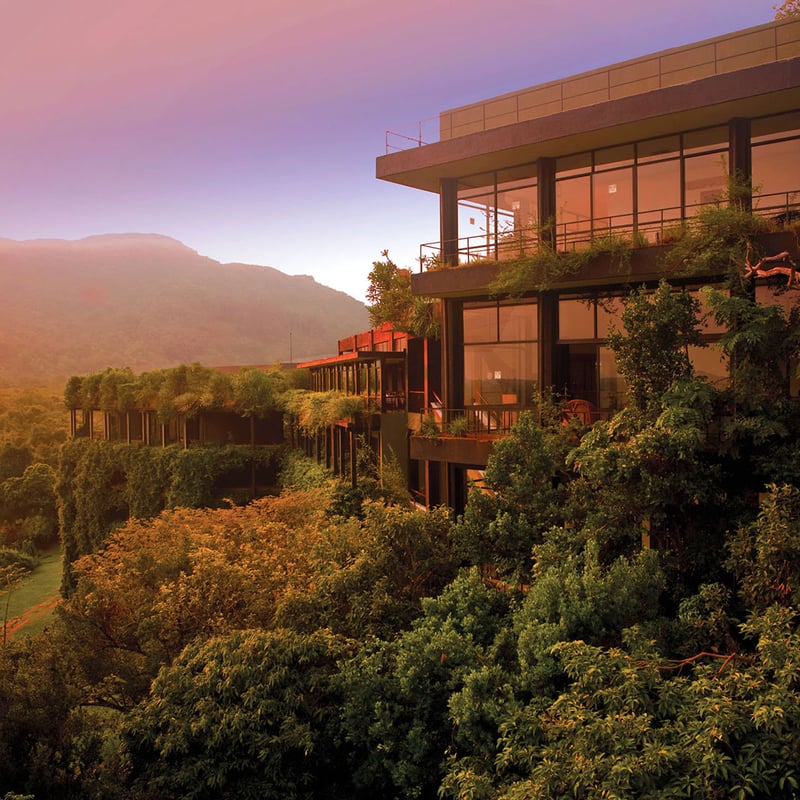
Geoffrey Bawa carved this kilometer-long structure into a cliffside above Kandalama Lake, each of the 162 rooms framing the water and surrounding jungle. Three pools trace the shoreline, while tennis courts and a fitness center occupy the grounds. The ancient Buddhist cave temples of Dambulla lie minutes away, making this an ideal base for travelers drawn to both architectural mastery and sacred heritage.
Frequently Asked Questions
What is the best time of year to visit Sigiriya and Dambulla?
+
The dry season from May to September offers the most comfortable conditions for climbing Sigiriya Rock and exploring Dambulla's cave temples. July through October coincides with 'The Gathering' — one of Asia's largest wild elephant congregations at nearby Minneriya National Park. The shoulder months of February to April bring occasional rain but fewer visitors to the archaeological sites.
How far apart are Sigiriya and Dambulla, and can both be visited in one day?
+
The two sites sit roughly 17 kilometers apart, connected by a well-maintained road that takes about 25 minutes to drive. Most visitors combine both in a single day, starting with Dambulla Cave Temple in the early morning before the tour buses arrive, then proceeding to Sigiriya Rock Fortress. Climbing Sigiriya's 1,200 steps requires approximately two hours and is best attempted before 9am or after 3pm to avoid midday heat.
Are there dining options near the archaeological sites or only within hotels?
+
Independent restaurants concentrate along the main Sigiriya-Dambulla road, serving Sri Lankan rice and curry, kottu roti, and simple Western dishes. The village of Sigiriya Junction offers a handful of casual eateries popular with local guides. However, most travelers dine at their hotels, where kitchens often grow herbs in on-site gardens and source vegetables from nearby village cooperatives. Roadside fruit stalls sell excellent wood apple, mangoes, and king coconuts year-round.

Sigiriya Dambulla
The Cultural Triangle's twin anchors rise from Sri Lanka's dry zone plains — Sigiriya's fifth-century citadel climbing 200 meters into humid air, Dambulla's painted cave shrines carved into a granite outcrop three kilometers south. Hotels here operate within a landscape governed by monsoon rhythms and archaeological protection zones. Properties cluster along the Sigiriya-Dambulla road or retreat into private estates bordering Minneriya and Kaudulla national parks, where elephant gatherings peak between July and October.
The accommodation philosophy tends toward environmental sensitivity. Expect infinity pools overlooking paddy terraces, open-air restaurants serving rice and curry on lotus leaves, and architecture that references ancient hydraulic engineering or colonial-era rest houses. Village walks to Pidurangala Rock, cycling through Habarana's tank country, and dawn safaris structure most itineraries. The area's relative isolation — Colombo lies five hours south — encourages longer stays and slower rhythms.