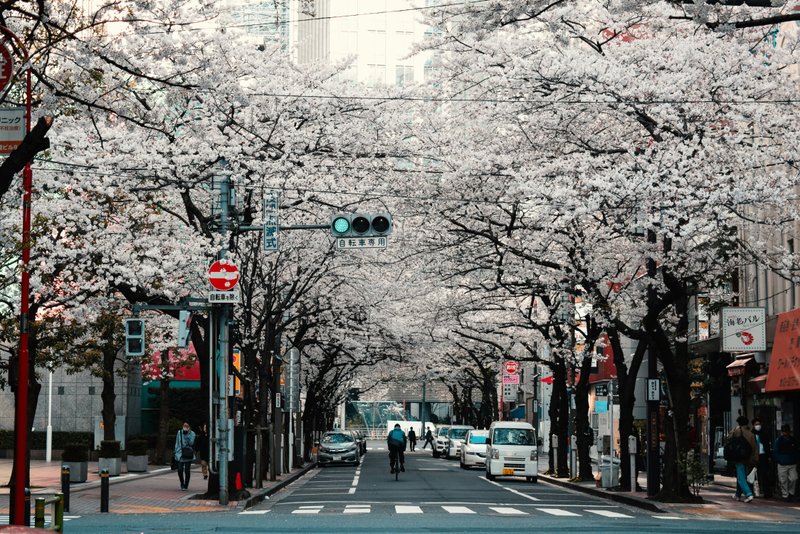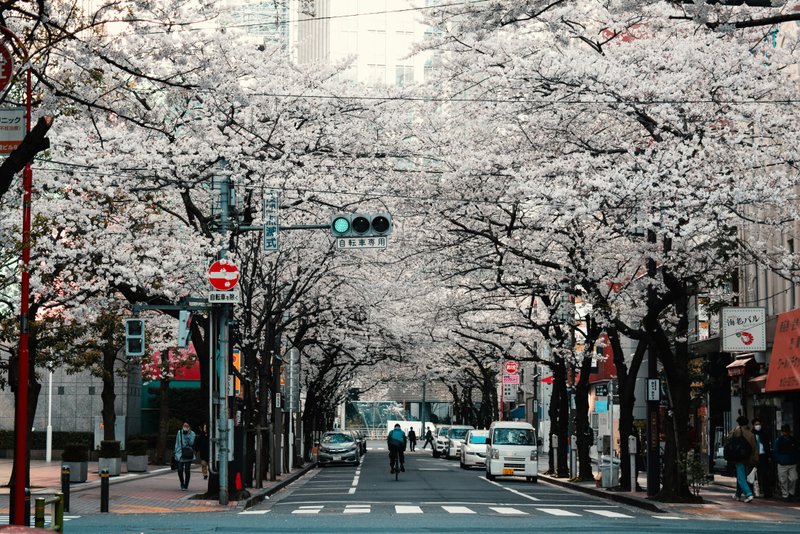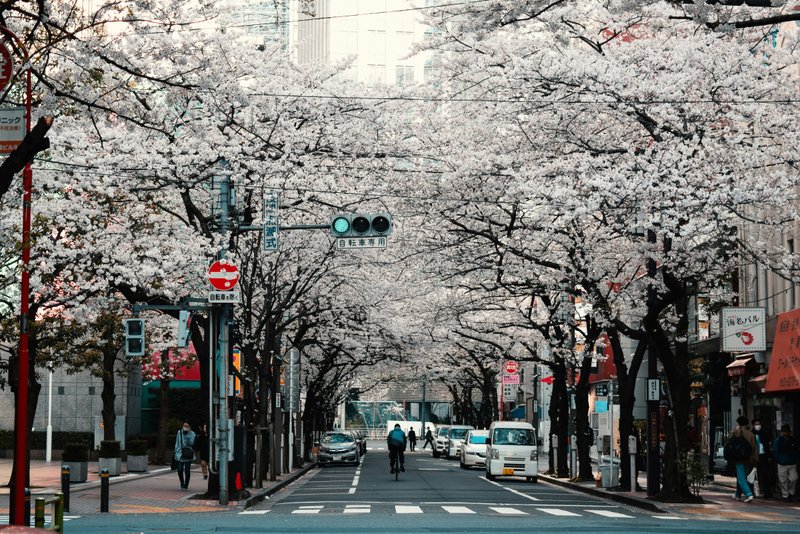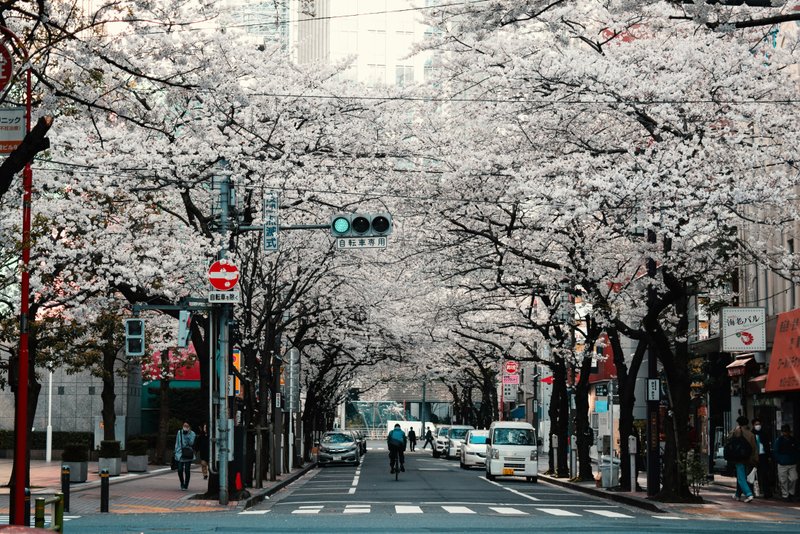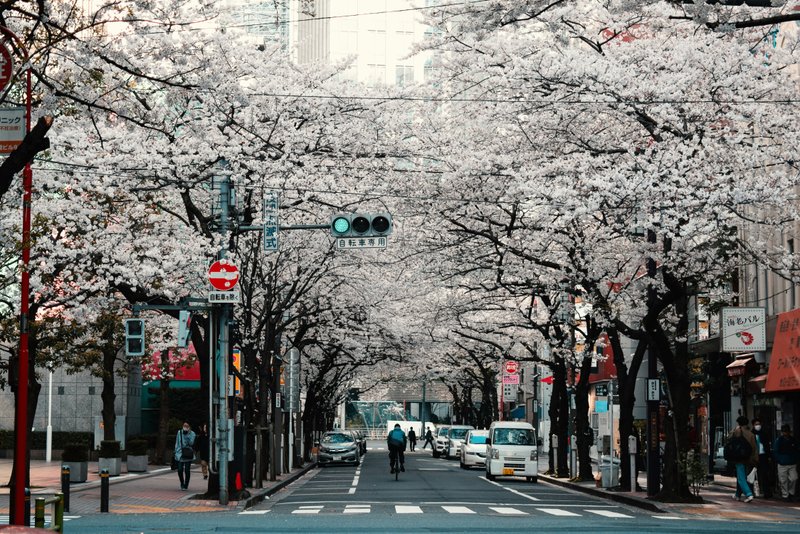
Sixteen suites with tatami floors, shoji screens, and hinoki cypress soaking tubs occupy a secluded wing of the Grand Prince Hotel Takanawa, where kimono-clad attendants guide guests through tea ceremonies and cultural traditions. The private SPA TAYUTA reserves its entire facility for individual bookings, infusing treatments with yuzu and cedar. Beyond, a 20,000-square-meter garden unfolds — 210 cherry trees, a carp pond, and the 1911 Kihinkan imperial guesthouse with original stained glass.
Explore Tokyo Ryokan
Amid Shinjuku's neon-lit streets, this contemporary ryokan delivers an unexpected pocket of tradition. Bamboo walkways lead to rooms with tatami-style flooring, while ikebana arrangements and drifting incense set a contemplative mood. The rooftop onsen, fed by natural hot springs, offers urban panoramas alongside authentic bathing rituals. A compelling choice for travelers seeking Japanese heritage without leaving Tokyo's electric pulse.
An 18-storey tower in Otemachi houses Tokyo's first luxury ryokan, where guests slip off shoes at the entrance and find tatami flooring even in the lifts. Each floor operates as an intimate unit with a shared ochanoma living room for every six rooms. The 17th-floor spa draws from a hot spring nearly a mile underground, while chef Noriyuki Hamada's basement restaurant serves hyper-local fine dining.
A rare breed in restless Tokyo, Yuen Bettei Daita brings the hot spring ryokan tradition into a contemporary 36-room setting where daily rhythms center on the onsen baths. Interiors balance traditional Japanese woodwork with clean modern lines, while a tea room and spa deepen the sense of retreat. Families find particular welcome here — children receive their own pastel-hued jinbei and straw sandals for bathing.
Frequently Asked Questions
What is the typical check-in and dinner schedule at Tokyo ryokans?
+
Most ryokans request guests arrive between 15:00 and 17:00. This timing allows staff to prepare your room, lay out bedding, and serve kaiseki dinner—typically between 18:00 and 19:30. Late arrivals often miss the multi-course meal, so confirming arrangements in advance is essential.
Are there ryokans in Tokyo with private onsen baths?
+
Several establishments offer rooms with private hinoki or stone baths, particularly those in quieter residential areas. These are fed by heated mineral water rather than natural hot springs, as Tokyo lacks volcanic sources. Booking well ahead is advisable, as rooms with private baths remain limited.
Can first-time visitors unfamiliar with Japanese customs stay comfortably at a ryokan?
+
Absolutely. Staff at Tokyo ryokans are accustomed to international guests and will guide you through etiquette—removing shoes, wearing yukata, bathing before entering the tub. Most provide English instructions, and the slower pace gives newcomers time to settle into the rituals naturally.
Nearby Destinations
Explore JapanThe ryokan experience in the capital offers a counterpoint to the city's relentless pace. Slip off your shoes at the genkan, slide open a shoji screen, and enter a world of tatami flooring, tokonoma alcoves, and the quiet ritual of tea. Many properties in neighborhoods like Taito-ku and Bunkyo maintain wooden machiya architecture, while others near Shinagawa or Meguro incorporate private hinoki cypress baths. Evening brings kaiseki served in-room on lacquerware, each course reflecting the season.
Unlike their rural counterparts in Hakone or the Japan Alps, these urban establishments allow guests to pair morning meditation at a nearby temple with afternoon gallery-hopping in Roppongi. Some ryokans provide yukata robes for wandering local shotengai shopping streets. Whether you're seeking a break between exploring the city's best restaurants or prefer a more intimate alternative to the conventional hotel scene, the traditional inn remains an essential Tokyo experience.