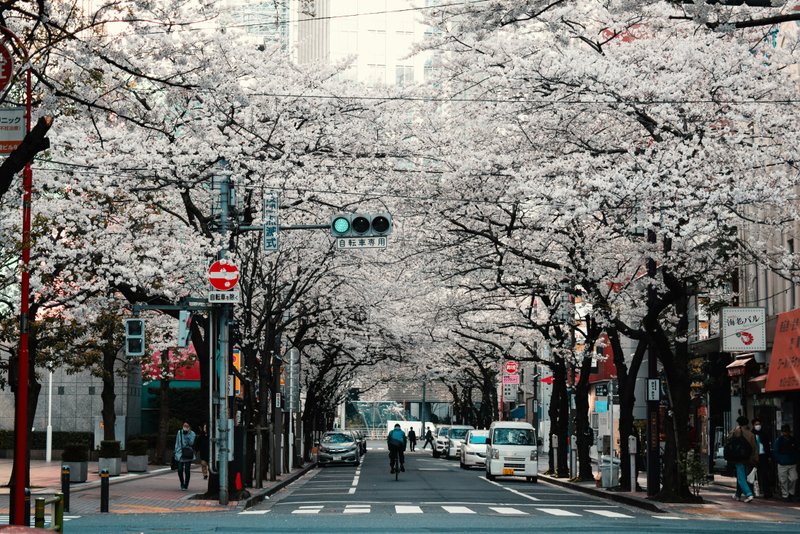
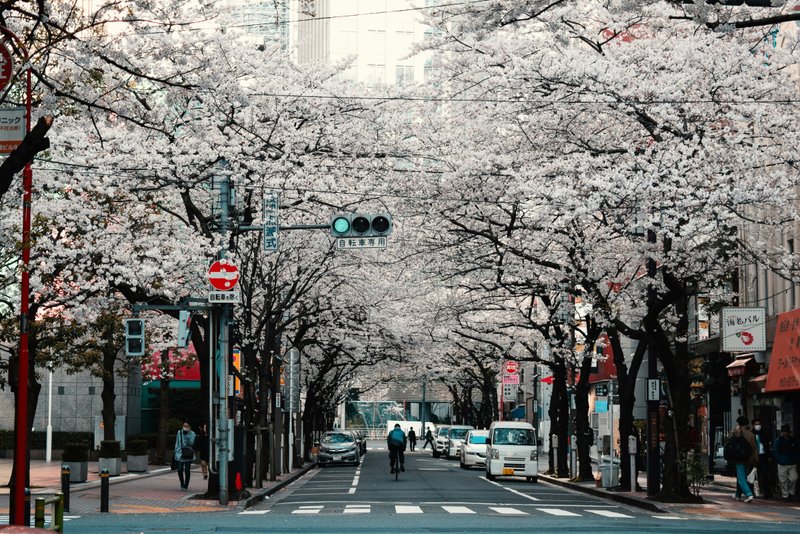
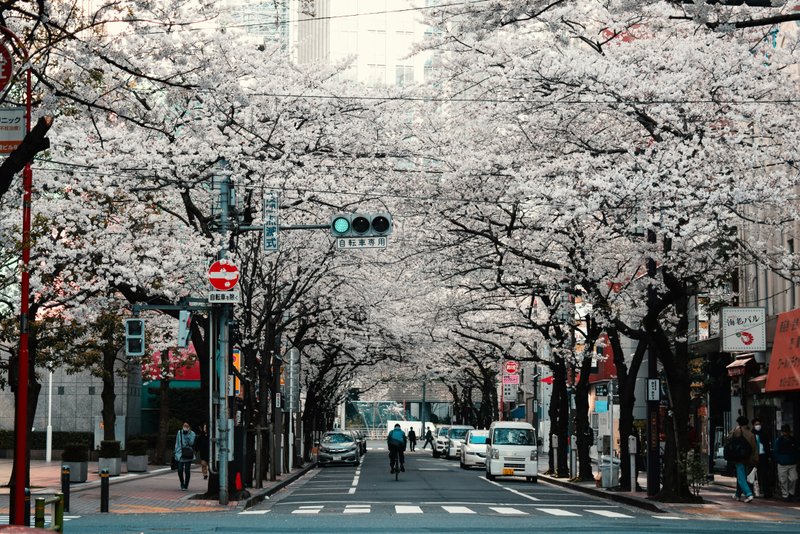
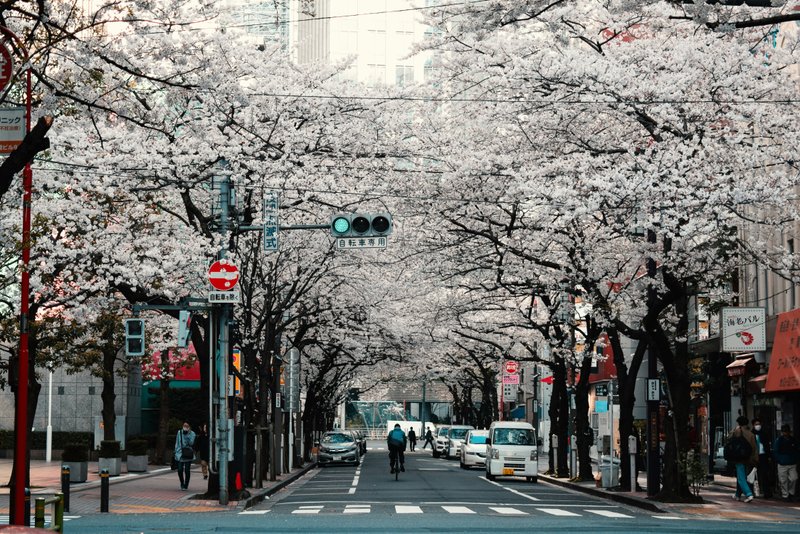
The geography of eating here defies convention. A third-generation tempura master works above a convenience store in Ningyocho. A sushi counter with two Michelin stars seats eight in a Ginza basement. Tsukiji's outer market still draws crowds at dawn for tamagoyaki and fresh uni, while department store basements — depachika — offer some of the city's finest prepared foods. From the yakitori alleys of Yurakucho to the refined kaiseki rooms of Akasaka, dining operates on a vertical axis as much as a horizontal one.
Neighborhoods carry distinct culinary identities. Kagurazaka maintains its geisha-district roots with discreet ryotei and French bistros tucked along cobbled lanes. Shimokitazawa and Nakameguro draw younger crowds to natural wine bars and inventive small plates. For those exploring where to stay, proximity to a preferred food district often matters more than traditional tourism logic — a hotel near Ebisu station opens different doors than one in Marunouchi.