Skip to content

Tokyo

Explore Tokyo Hotel

Hotels (11)
Verified
3 Michelin Keys· Forbes Five-Star · Verified

Overlooking the Imperial Palace moat and its resident swans, this 284-room landmark delivers Tokyo's rarest luxury: genuine tranquility. Most rooms feature private balconies above the gardens, while interiors by Terry McGinnity wrap guests in pale woods and marble bathrooms spanning 45 square meters minimum. Japan's first Evian Spa offers a cedar-scented sauna with Alpine-inspired light therapy; evenings belong to the Royal Bar's legendary martinis.

Verified
1 Michelin Key· Forbes Five-Star · Verified

Ascending to the upper floors of Toranomon Hills Mori Tower, the Andaz Tokyo wraps guests in floor-to-ceiling glass and Japanese-inflected design by Tony Chi and Shinichiro Ogata—washi paper screens, kumiko wood panels, organic textures throughout. The 37th-floor AO Spa commands views of the Imperial Palace from its 65-foot pool, while a rooftop bar on the 52nd floor surveys Tokyo Bay. Design-minded travelers seeking altitude and aesthetics find their match here.

Verified
1 Michelin Key· Forbes Five-Star · Verified

Architect Yuko Nagayama's 47-story Tokyu Kabukicho Tower reserves its upper floors for this sanctuary of minimalist restraint, where nearly monochrome interiors and floor-to-ceiling windows frame sweeping views over Shinjuku's neon sprawl. The 97 rooms draw on traditional Japanese spatial concepts, while five expansive penthouses rival private residences. Dining spans modern French, teppanyaki, and sushi, with a full spa completing the retreat.

Verified
1 Michelin Key· Forbes Five-Star · Verified

Perched between the 30th and 38th floors of Nihonbashi Mitsui Tower, this flagship commands sweeping views that extend to Mount Fuji on clear days. The 37th-floor pool appears to float above the metropolis, while a glass-walled sauna frames the skyline like living art. Nine restaurants range from the French gastronomy of Signature to the six-seat Tapas Molecular Bar. The spa's Tranquility Suite delivers infinity-bath soaks behind two walls of windows—pure vertical luxury for travelers who measure hotels by their altitude.

Verified
1 Michelin Key· Forbes Five-Star · Verified

Architect Kazukiyo Sato's 24-story lantern-shaped tower rises as a freestanding structure near the Imperial Palace—a rarity in Tokyo's landscape of hotel-topped skyscrapers. The 314 rooms rank among the city's largest, equipped with technology verging on theatrical, while over 1,000 artworks by Japanese artists line the corridors. The 24th-floor restaurant delivers panoramic views across Hibiya Park, and a 20-meter pool with sun loungers overlooks the Imperial Gardens.

Verified
Forbes Five-Star · Verified

Occupying 21 floors of the Roppongi Hills complex, Grand Hyatt Tokyo pairs minimalist design with unexpected indulgences: bathrooms feature traditional ofuro-style overflowing tubs with built-in screens, while the Nagomi Spa's red granite pool anchors a 14,000-square-foot wellness floor. West-facing rooms frame Mount Fuji; the tenth-floor Grand Club opens onto a rare zen garden terrace. Families find thoughtful touches including mini yukata welcome kits.

Verified
1 Michelin Key· Forbes Five-Star· Small Luxury Hotels · Verified

Occupying the only hotel space within Tokyo's landmark 1915 Central Station, this red-brick grande dame preserves rare Victorian architecture beneath restored prewar cupola domes—a striking anomaly amid the city's glass towers. The 150 rooms offer unusually generous proportions for Tokyo, with select suites gazing across to the Imperial Palace. A 900-square-meter spa features saunas and hot springs, while ten restaurants span casual ramen to refined dining.

Verified
Verified

Perched between the 42nd and 51st floors of Shinjuku Park Tower, the Park Hyatt Tokyo commands sweeping views stretching to Mount Fuji — a panorama best absorbed from the 46th-floor pool or the legendary New York Bar, immortalized in Lost in Translation. A recent Studio Jouin Manku renovation has sharpened its contemporary edge, while four restaurants including Kozue and Girandole by Alain Ducasse anchor the culinary program.

Verified
1 Michelin Key· Forbes Five-Star · Verified

Occupying just two floors above a 400-year-old Japanese garden, Executive House Zen operates as a refined enclave within the sprawling New Otani complex. Its 84 rooms overlook ten acres of waterfalls, koi ponds, and vermilion bridges, while the Executive Lounge frames Mount Fuji and Akasaka Palace through floor-to-ceiling windows. Pierre Hermé croissants at breakfast, complimentary Golden Spa access, and 38 on-site restaurants suit travelers seeking urban sanctuary with comprehensive amenities.

Verified
Verified

FUFU Tokyo Ginza channels the ryokan spirit into 34 individually crafted rooms, each with private baths fed by natural Atami hot spring water and yukimi-shoji screens opening onto miniature gardens of flowering trees. Yuzu and hinoki fragrances perfume interiors warmed by washi-filtered light and artisan woodwork. Two restaurants—GINZA GAYU's private rooms and GINGA's intimate counter—present seasonal kaiseki. A genuine onsen retreat for travelers seeking contemplative luxury steps from the metro.

Verified
2 Michelin Keys· Forbes Five-Star · Verified

Kengo Kuma's architectural vision unfolds through shoji screens, water-ripple carpets, and seasonal ikebana by the Sogetsu School. All 251 rooms exceed 45 square meters with six-meter windows—those facing the Imperial Palace reveal rare urban darkness. The Capitol Bar preserves Beatles memorabilia from the band's 1966 stay, while the site once hosted Rosanjin Kitaoji's legendary Hoshioka Saryo. Garden Suites overlook Hie Shrine; the 27th-floor Club Lounge commands the Tokyo skyline.

Frequently Asked Questions

Which Tokyo neighborhoods are best for first-time visitors?

+

Marunouchi and Ginza offer central locations with easy access to major transport hubs, cultural sites, and refined dining. Shibuya suits travelers seeking contemporary energy and shopping, while Shinjuku provides excellent rail connections to Mount Fuji and the Japanese Alps.

When is the best season to visit Tokyo?

+

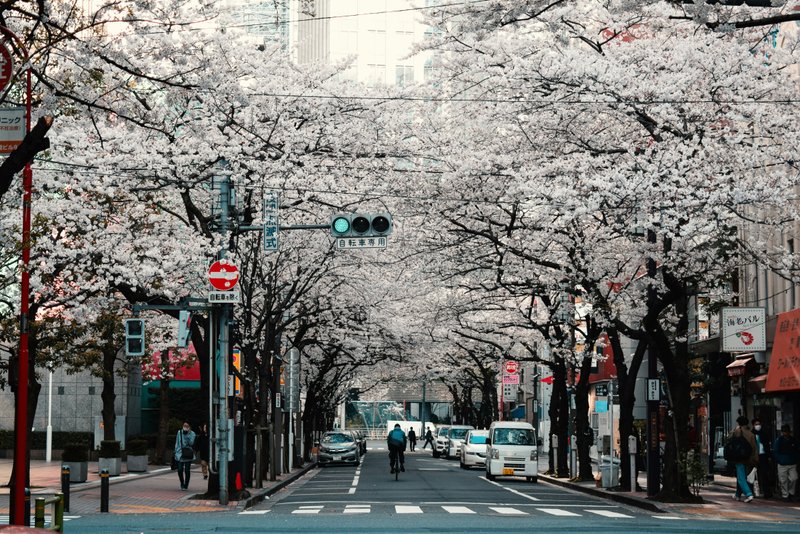
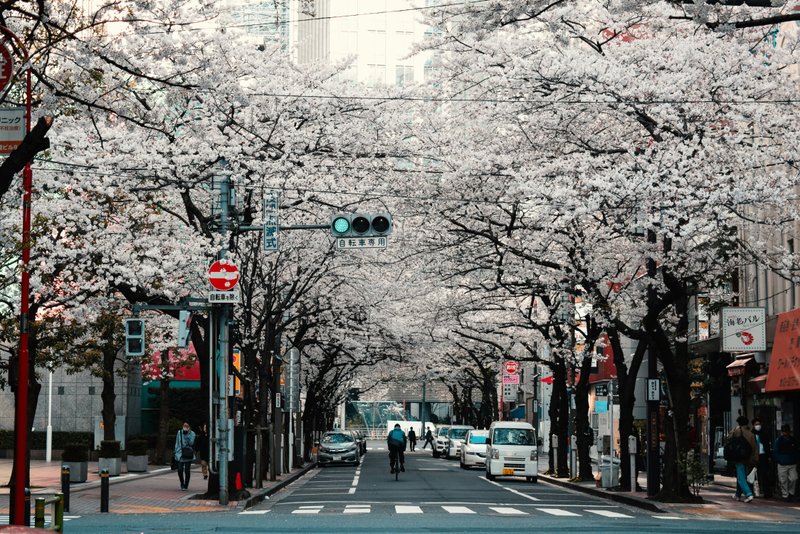
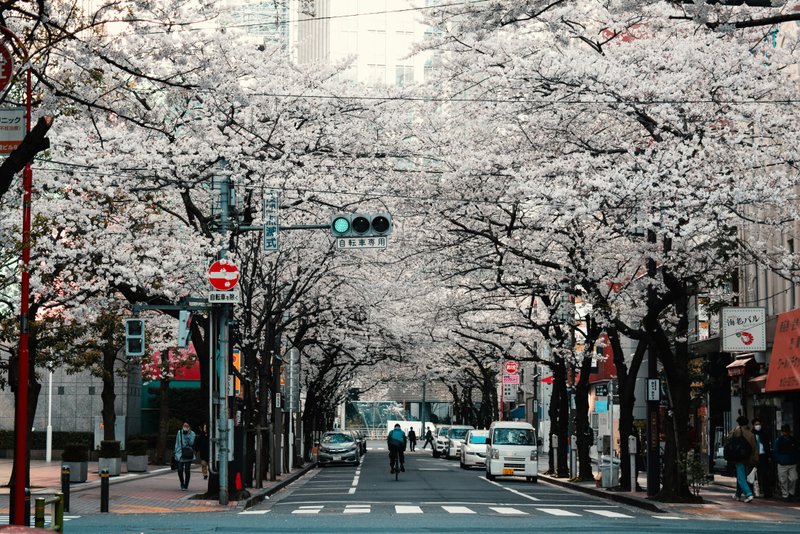
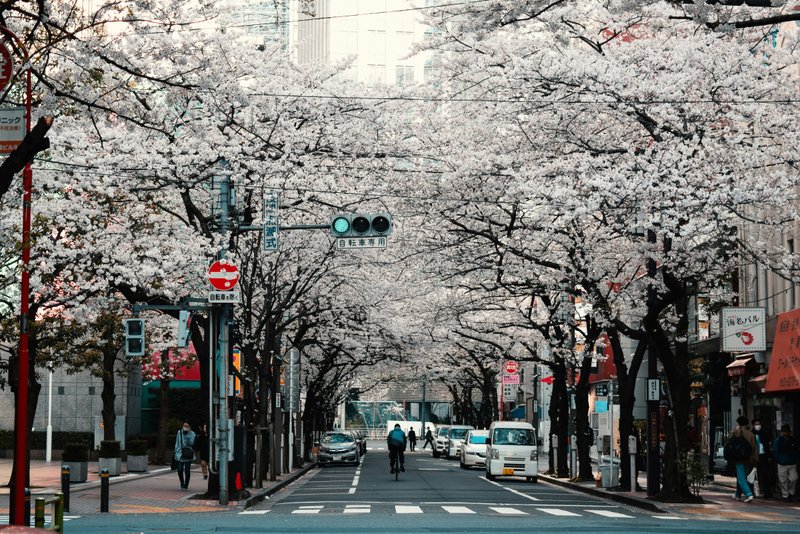
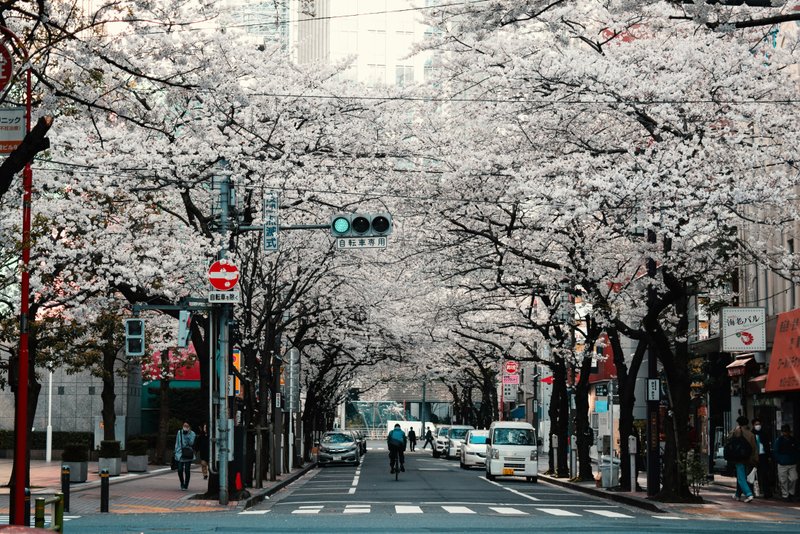
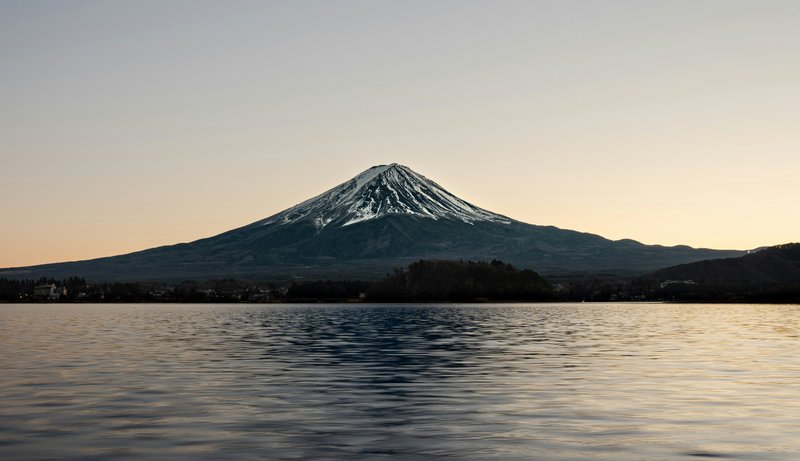
Late March to mid-April brings cherry blossom season, though hotel rates peak accordingly. November offers comfortable temperatures and autumn foliage at spots like Rikugien Garden. Winter months from December to February see fewer crowds and crisp, clear days ideal for viewing Mount Fuji from high-floor hotel rooms.

How far in advance should Tokyo hotel reservations be made?

+

For cherry blossom season and Golden Week (late April to early May), booking three to six months ahead is advisable for sought-after properties. During autumn foliage season, two to three months provides reasonable availability. Standard periods allow more flexibility, though popular ryokan-style accommodations warrant early reservation year-round.