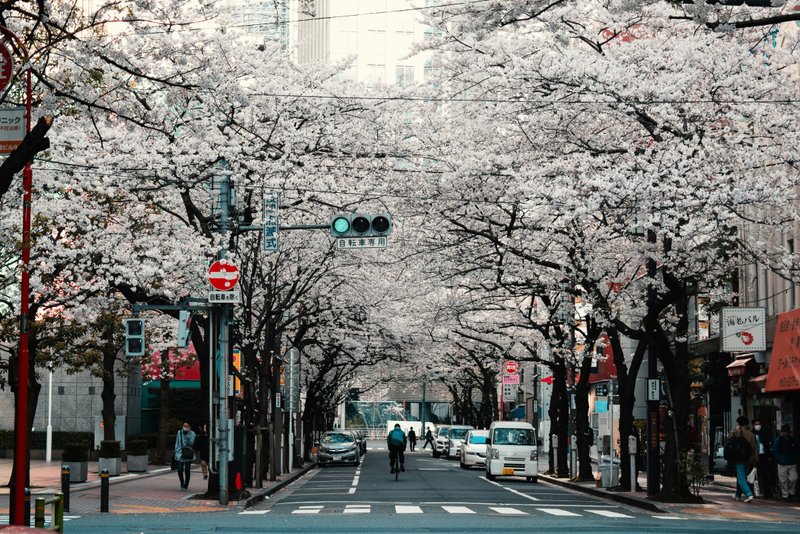
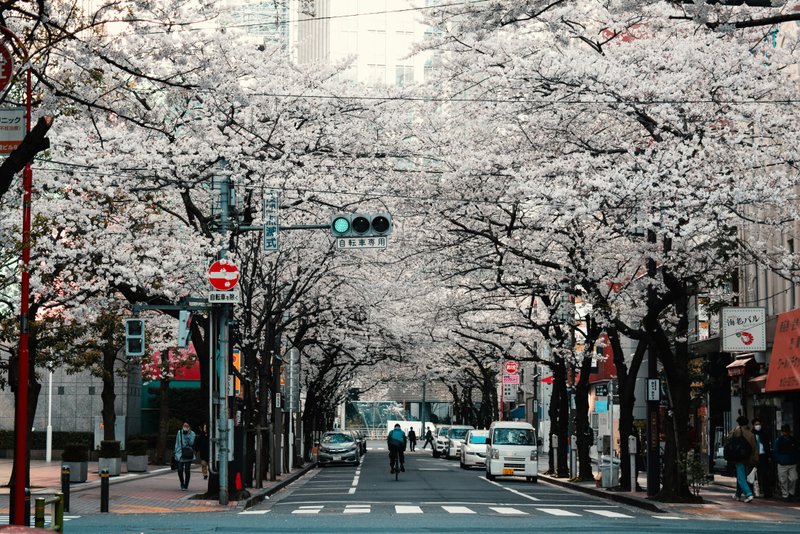
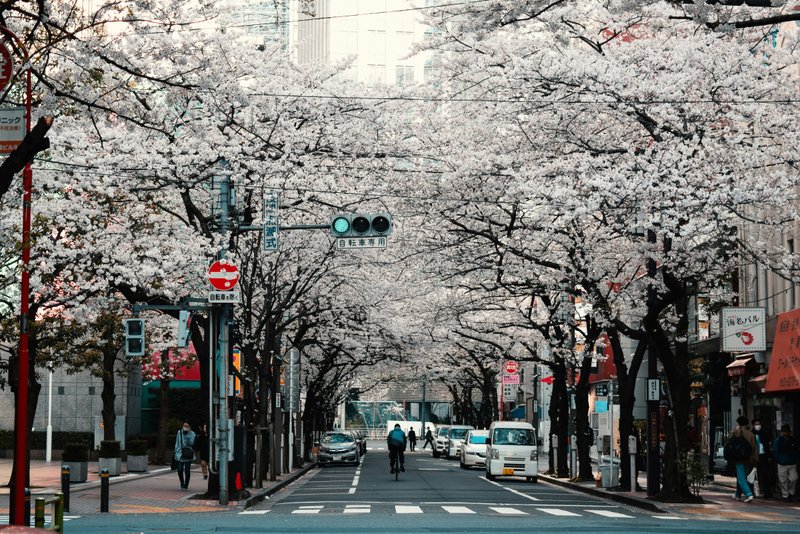
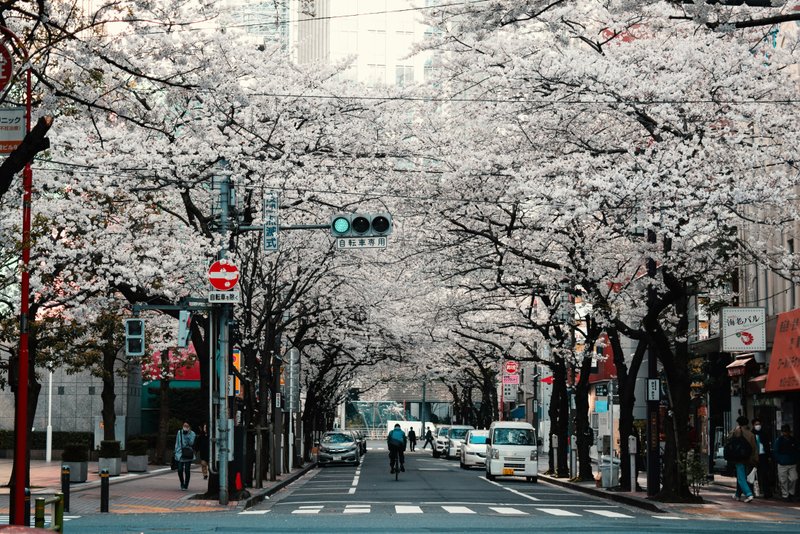
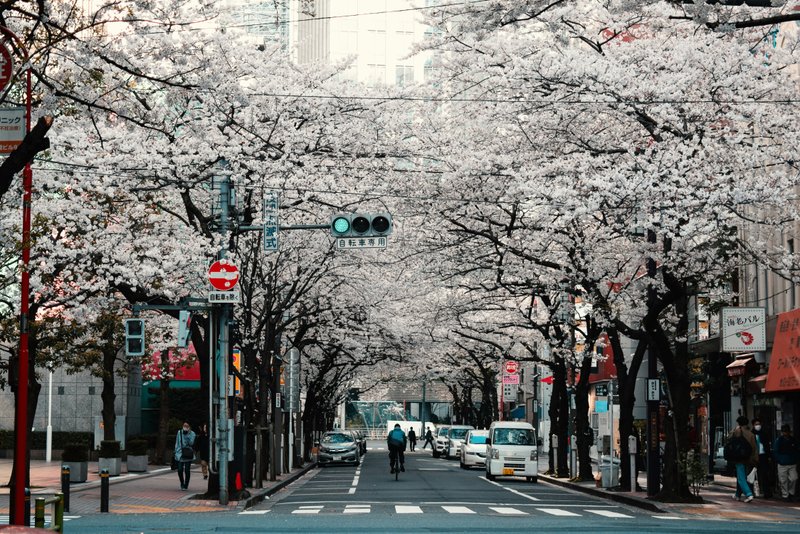
The capital's boutique properties tend to cluster in neighborhoods with distinct personalities. Shibuya and Meguro offer proximity to fashion districts and late-night dining, while Nihonbashi and Ningyocho provide quieter settings near Edo-period architecture. Many occupy converted machiya townhouses or occupy narrow lots where architects have turned spatial constraints into design statements—expect cantilevered facades, interior gardens visible from every floor, and rooms where each square meter serves multiple purposes.
What draws repeat visitors to these smaller properties is often the staff-to-guest ratio and local knowledge that larger hotels cannot replicate. Concierges here secure reservations at eight-seat omakase counters, arrange private access to temple gardens, or map walking routes through backstreet shotengai markets. For travelers exploring the city's design hotels or seeking the best hotels overall, boutique properties offer an alternative rhythm—fewer rooms, sharper attention to detail, and an intimacy with the neighborhood that begins the moment you step outside.