Skip to content

Tokyo

Explore Tokyo Chinese

Restaurants (3)
Verified
★ Michelin · Verified

Alain Ducasse lends his legendary oversight to this one-starred dining room inside the Palace Hotel Tokyo, where chef Kei Kojima interprets Chinese cuisine through a distinctly Japanese lens. Vegetables sourced from Kamakura markets arrive at the table vibrant and precise, while proteins acquire depth and fragrance from open charcoal flames—a technique that anchors the kitchen's philosophy of healthful, intensely flavored cooking.

2. Myojaku

★★★ Michelin

Chef Hidetoshi Nakamura practices a philosophy of radical restraint at this three-Michelin-starred Chinese table in Nishiazabu. Seasonings are stripped to near-absence, allowing submarine spring water drawn from oceanic depths to carry each ingredient's purest expression. The result is cuisine that feels less like cooking and more like meditation—a quiet return to gratitude for mountain, sea, and the invisible threads binding them.

3. Kutan

★★ Michelin

Behind a crane-and-sun emblem in Chuo-ku, two-starred Kutan serves Chinese cuisine through a distinctly Japanese sensibility. The chef, shaped by years abroad, pursues what he calls 'modern classic' cooking—dishes calibrated for temperature variation, aromatic depth, and digestive ease. Jazz drifts through a dining room hung with Western paintings, while plates of refined originality hint at where Japanese gastronomy might be heading.

4. Akasaka Kikunoi

★★ Michelin

Akasaka Kikunoi brings the refined kaiseki tradition of Kyoto to Tokyo's Minato district, an outpost of the legendary establishment that has delighted gourmets since 1912. Under chef Yoshihiro Murata, whose Kyoto locations hold five Michelin stars collectively, the kitchen presents seasonal courses on exquisite ceramics. Guests choose between intimate counter seating or traditional tatami rooms—kappo spontaneity meeting ryotei elegance in one address.

5. Oryori Tsuji

★ Michelin

Beneath Higashiazabu's streets, a cypress counter anchors a spare dining room of adze-hewn ceilings and clay walls. Chef Tsuji's one-starred kitchen applies refined restraint to Chinese cuisine—kombu-wrapped sashimi, wanmono in crystalline broth—each dish stripped to essential flavors. The menu declares itself 'simple fare,' and delivers exactly that: honest presentations where natural taste supersedes spectacle, calming rather than dazzling the palate.

6. Tempura Miyashiro

★ Michelin

A Michelin-starred address specializing in Chinese cuisine, Tempura Miyashiro delivers an inventive approach to deep-fried preparations. The kitchen's wagyu tempura showcases precise technique, while the signature tenbara—seasoned rice crowned with vegetable and seafood tempura—demonstrates creative ambition. A refined blend of sesame and rice oils ensures remarkable lightness, allowing each ingredient's character to emerge with clarity and finesse.

7. Ubuka

★ Michelin

Shellfish obsession drives every dish at this one-starred Shinjuku address, where crab and prawn preparations dominate a menu that bridges kaiseki tradition with French technique. A hair crab terrine nods to classical European charcuterie, while plump fried prawns arrive bathed in rich sauce américaine. The finale—crab and seasonal vegetables steamed in an earthenware pot—rewards patient appetites with generous, intensely flavored portions.

8. APICIUS

Michelin Selected

Named for the legendary Roman epicure, Apicius presents Chinese cuisine within an art nouveau setting adorned with works by Utrillo and Buffet. The salon atmosphere evokes a private collector's dining room, where the signature mousse of sea urchin, caviar, and vegetables—a recipe preserved from the founding chef—remains the essential order. A singular collision of Eastern gastronomy and European artistic grandeur.

9. Sushi Rinda

Michelin Selected

Named for the chef's daughter and a beloved rock song, Sushi Rinda channels youthful energy into precise craft. The kitchen's signature technique—slicing fatty tuna razor-thin and mounding it high—ensures the rich fat melts instantly against warm rice. The 'Rindamaki' roll layers tuna with sea urchin and salmon roe in extravagant proportion. Young cooks move with infectious enthusiasm, making this a spirited counter experience.

10. Hiroo Ishizaka

★ Michelin

A one-starred counter in Hiroo where Chinese culinary traditions inform an otherwise classical omakase progression. The meal unfolds through side dishes and sashimi before vegetarian plates signal the shift to nigiri—a deliberate pacing refined over decades. Tuna arrives first, the chef's calling card, followed by botan shrimp and Minamiuonuma shiitake, ingredients that reveal subtle creative departures within technical precision.

Frequently Asked Questions

Which Tokyo neighborhoods have the best Chinese restaurants?

+

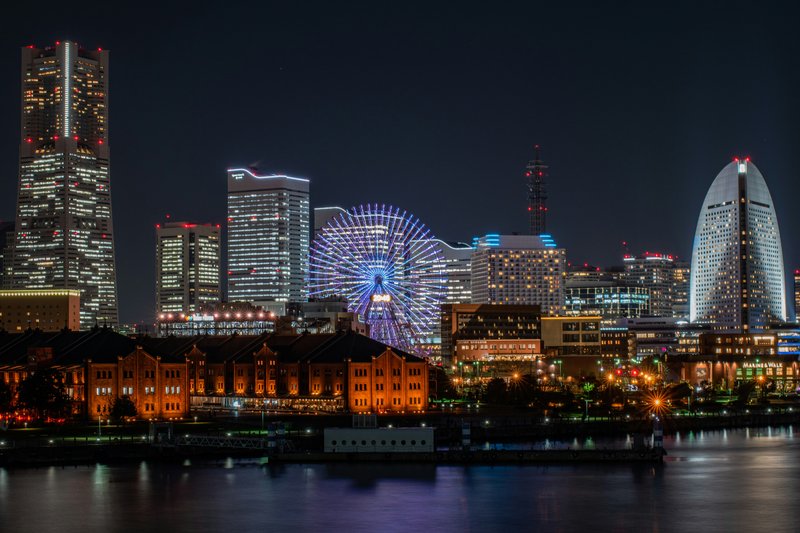
Ikebukuro's north exit area hosts a concentration of authentic Sichuan and northeastern Chinese restaurants, popular with the local Chinese community. Ginza features refined Cantonese dining rooms, while Akasaka offers Shanghai and Taiwanese options. Yokohama's Chinatown, a short train ride away, remains the region's largest collection of Chinese eateries.

How does Chinese cuisine in Tokyo differ from other cities?

+

Chinese restaurants here often emphasize the same precision and seasonal awareness found in Japanese cooking. Ingredients are sourced with particular care, presentations tend toward restraint, and service follows Japanese hospitality standards. Regional authenticity remains strong, particularly in neighborhoods with significant Chinese resident populations.

Are reservations needed for Chinese restaurants in Tokyo?

+

High-end Cantonese establishments and popular dim sum houses—especially on weekends—benefit from advance booking. Casual Sichuan spots and noodle specialists in Ikebukuro typically accommodate walk-ins. For chef's counter experiences or private rooms, reservations several days ahead are advisable.