AUBERGE de SENVIE in Sakurai: A Culinary Retreat in the Cradle of Japan


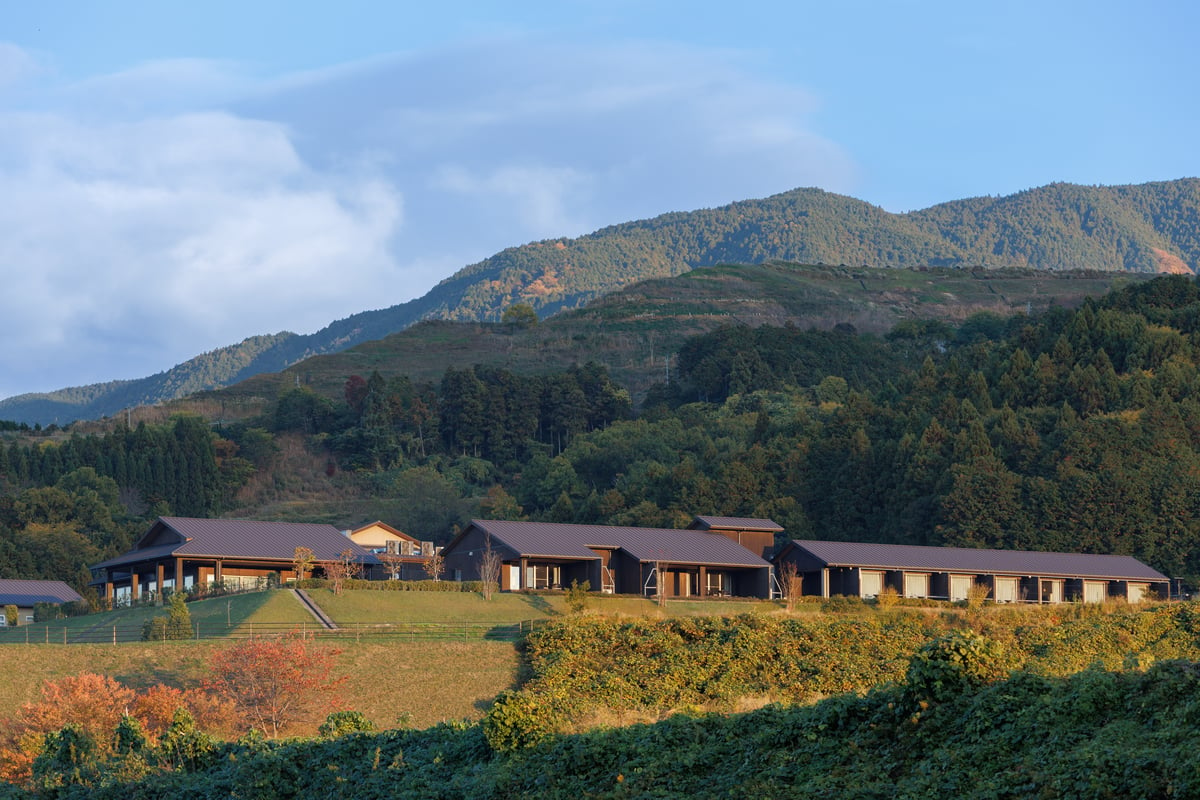
In the heart of the Nara countryside, between rice fields and the mountains of Yamato, AUBERGE de SENVIE invites guests to discover a peaceful Japan, deeply rooted in its history and local heritage. This intimate retreat of nine rooms and suites also offers fine dining where local ingredients meet French culinary expertise. We savored a stay shaped by the seasons, enjoying time on our terrace, cultural discoveries around Sakurai and the pleasures of the table.
Sakurai, at the Origins of Timeless Japan
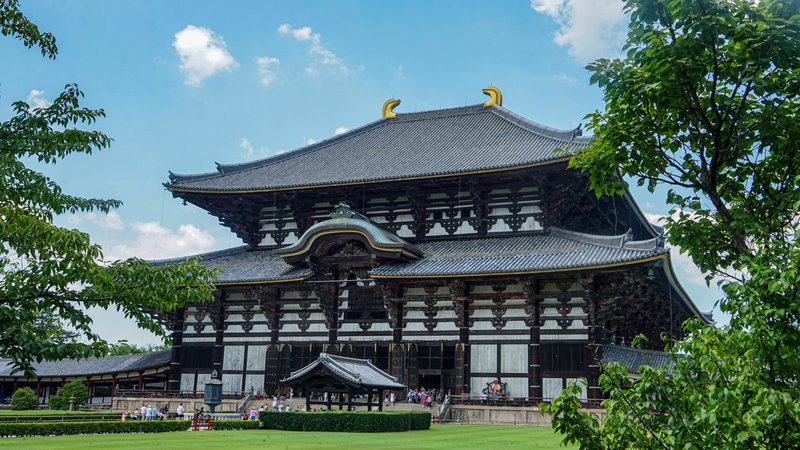
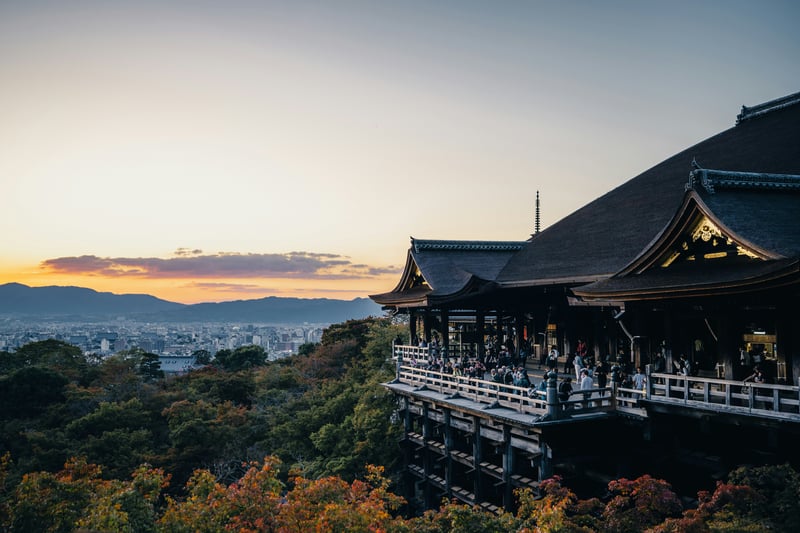
In Sakurai, in Nara Prefecture, AUBERGE de SENVIE sits in a peaceful landscape between town and countryside, at the heart of a region considered the cradle of Japanese culture. Away from the bustle, it offers an ideal base for exploring the temples, shrines and ancient tombs scattered throughout the surrounding area, or walking the Yamanobe-no-michi, reputed to be Japan’s oldest road. The trail leads through places evoked in Japan’s great classical texts, amid lush nature and age-old traditions associated with sake and sumo. With Nara and Osaka within easy reach for day trips, the auberge combines cultural exploration with moments of quiet contemplation, following the rhythm of the seasons.


Japanese Heritage Meets Contemporary Comfort
SENVIE, whose name brings together the French words “Sens” and “Vie,” cultivates a Japanese art of living in which nature and history encourage a slower pace. Guided by the philosophy of Shōzen Keigo, which embraces the achievements of the past while paving the way for the future, the property brings tradition into dialogue with a contemporary sensibility. Designed for relaxation and in harmony with their surroundings, the rooms extend an experience in which hospitality and gastronomy reveal the richness of the local water, soil and ingredients. Echoing the poems of the Manyoshu, which have celebrated the beauty of nature and human emotion for more than a thousand years, AUBERGE de SENVIE creates a quietly refined stay that awakens all five senses and leaves the memory of a moment suspended in time.


A Suite Embracing the Seasons of Yamato
With just nine rooms and suites, the property cultivates an intimate atmosphere overlooking the Nara countryside. Wood lends warmth to the interiors, where clean lines meet a few European touches, while each terrace invites guests to enjoy the landscape as the seasons change. The two Executive Suites offer 87 m² of interior space, complemented by a beautiful 25 m² private terrace. The six Standard Twin Rooms and the Accessible Twin Room each have a smaller terrace.
We stayed in an Executive Suite, whose separate living room and bedroom offer generous space in a soft, welcoming atmosphere. In the living room, two cream-colored sofas and a dark armchair surround a wooden coffee table, facing large windows that frame the rice fields, wooded hills and mountains on the horizon. A ceiling clad in Yoshino cedar brings a local touch to a decor dominated by wood and natural tones. In the bedroom, the two semi-double beds sit against a long wooden headboard, with elegant dark wallpaper above. The bathroom continues this sense of comfort with twin basins and a wet area combining a shower and bathtub. Outside, the spacious wooden terrace, furnished with woven armchairs and a round table, invites guests to linger over the rural landscape of Yamato, accompanied by the breeze and birdsong.


A Taste of Nara at Breakfast
Reserved for hotel guests, breakfast offers a delicious start to the day overlooking the Yamato Sanzan mountains, framed by the dining room windows. Produce from Nara Prefecture takes center stage, beginning with two seasonal smoothies: a carrot juice and a green juice with Yamato-Tōki and apple. A vegetable salad served with house-made ham and two signature dressings precedes a selection of breads and pastries, enjoyed with fig and yuzu preserves. A soup of the day rounds out the spread, while we choose a plain omelet served with a signature sauce, bacon from Baaku, hash browns and steamed vegetables. To finish, a Nara fruit salad comes with a yogurt sauce from the Milk Kobo Asuka dairy and granola made with Job’s tears, an Asian grain also known as hato mugi. A cup of tea extends this leisurely moment, a lovely celebration of local produce.


Nara’s Seasons, Composed in a French Culinary Style
At AUBERGE de SENVIE, fine dining brings the terroir of Nara into dialogue with French culinary techniques. Traditional vegetables and seasonal produce, selected through close relationships with local farmers, inspire a cuisine attentive to the distinctive character of every ingredient. Carefully chosen French products and exceptional ingredients from the Kii Peninsula enrich this palette. Inspired by a philosophy that connects the land, food and well-being, the restaurant celebrates Nara’s culinary heritage in an elegant setting, with views of the landscape after dark accompanying dinner.


During our stay, we explored the Dégustation menu, reserved for hotel guests. This journey through Nara’s seasonal bounty begins with an amuse-bouche, followed by a cold starter and then a warm starter, before the fish and meat courses. A refreshing interlude precedes dessert, with petits fours and coffee bringing dinner to a close. The restaurant also offers the SENVIE menu, following the same sequence, as well as three lunch menus showcasing produce purchased directly from local farmers. Wines, regional sakes, craft beers and gins complete the selection, while attentive, personalized service accompanies every stage of the dining experience.
Opening this exploration of local flavors, the “Mackerel · Carrot · Caviar” bite arrives as a delicate layered creation, crowned with caviar and a small purple flower. Beside it, “Yamato Pork · Fujiwara-kyō Tomato · Eggplant” takes the form of a crisp sphere topped with fine herbs. Presented together on a small plate in golden hues, these two bites bring maritime notes into dialogue with the flavors of the Japanese countryside, their precise presentation setting the tone for the meal.

Following these opening bites, Miwa horse meat is paired with Yoshino MICA egg and hishio, a traditional fermented condiment, in a small gold-rimmed vessel. Set on a white plate and a warmly grained wooden tray, the presentation plays on contrasts, with red and orange tones accented by pearls of caviar and a few pale petals. On the palate, the egg’s gentle flavor and creaminess envelop the delicate taste of the meat, while the hishio adds umami depth. The caviar brings a briny, marine touch that lifts each bite and extends the flavors.

The journey continues with an Ayu tartlet, presented in a fine golden shell with delicately scalloped edges, filled with sweetfish and cucumber, then scattered with small leaves and mauve flowers. Dabs of green chili sauce around the tartlet create a contrast of color on the silvery plate. The delicate presentation suggests a lovely balance between the mildness of the fish, the freshness of the cucumber and the character of the green chili, in a composition that continues the attention to texture.

With “Abalone · Ancient Rice · Yamato-Tōki,” flavors of the sea meet the grain and herbal notes of the local terroir. The dish is revealed at the center of a wide, copper-toned plate: pieces of abalone, coated in a glossy brown sauce, rest on a bed of dark-grained ancient rice. Crisp Yamato-Tōki leaves crown the dish, adding height and texture. Understated and refined, the presentation invites us to discover the connections between the different ingredients.

This maritime theme continues with tilefish and Japanese conger eel, accompanied by fermented, aged sake lees. On a wide white plate with delicate relief, pearly pieces of fish sit alongside a creamy preparation and a few green leaves in a pale golden, lightly foaming sauce. The mildness of the fish finds an echo in the fermented notes of the sake lees, suggesting rich umami depth and a subtle roundness on the palate. A fine golden garnish provides the finishing touch to this restrained presentation.

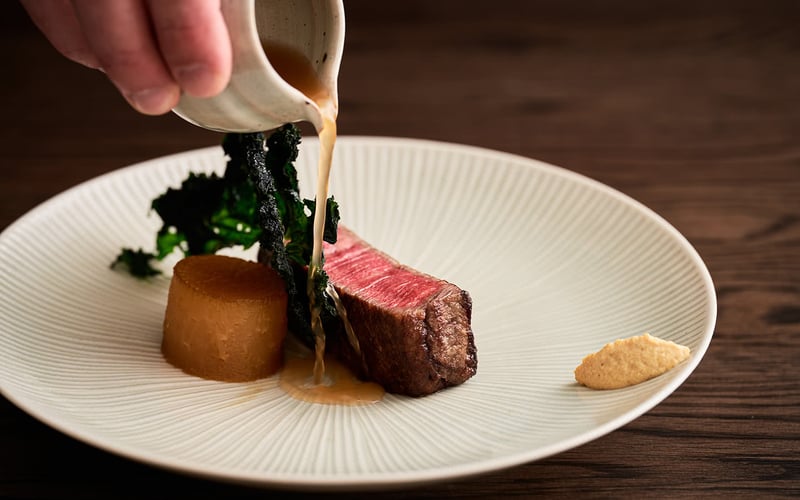
After these seafood courses, Miwa beef brings the tasting back to earthier flavors. The meat is served pink at the center, coated in a glossy brown sauce and topped with thin slices of black truffle. Alongside it, golden chanterelles bring an autumnal touch, while a small bundle of green beans adds freshness to the plate. The mugwort listed on the menu completes this pared-back composition, whose presentation gives the meat pride of place while highlighting each accompaniment.


To ease the transition into the final part of the meal, “Young Ginger · Lemongrass” offers a delicate interlude. In a small glass bowl, translucent tapioca pearls form an ivory-toned preparation with a simple, elegant presentation. The young ginger brings a gently spicy note, while the lemongrass lends a citrus freshness. This pairing complements the dish’s visual lightness and prepares the palate for the fruity notes of the dessert to follow.

Dinner ends with one final flourish: the dessert is flambéed before us, flames dancing briefly over the meringue before fading away. This tableside gesture adds the finishing touch to a dessert inspired by baked Alaska, its golden, textured exterior recalling the great classics of pastry. Around it, cubes of mango and a few passion fruit seeds punctuate a pale sauce, while small botanical accents complete the presentation. The generous meringue meets the sweetness of mango and the tartness of passion fruit in a composition that gives this classic an enticing tropical twist.


To extend this final indulgence, petits fours and coffee are served in Le salon, a distinctive space at the auberge reserved for diners, where Yoshino cypress furniture creates a warm, peaceful atmosphere. Arranged in a wooden box lined with fine wood shavings, the sweets include a miniature éclair with glossy icing, a sugar-coated fruit jelly and a chocolate filled with dried noodles. This delicate presentation accompanies our tea and invites us to savor the last moments of the evening, with a choice of digestifs and other after-dinner drinks also available.


My Verdict
In Sakurai, AUBERGE de SENVIE combines the intimacy of a nine-room retreat with the ambition of a fine dining restaurant rooted in Nara’s terroir. Overlooking rice fields and the mountains of Yamato, interiors featuring Yoshino wood offer a warm setting, while the cuisine brings together local produce, Japanese traditions and French expertise. We appreciated this harmony between the landscape, the materials and the food, complemented by attentive service. Close to ancient shrines and the Yamanobe-no-michi, the property offers a peaceful culinary retreat for discovering this region at the origins of Japanese culture.
What I Loved:
- The exceptional natural setting, with sweeping views over the rice fields and surrounding farmland. A bucolic landscape that is quite unusual for a hotel stay in Japan.
- The particularly spacious, comfortable suite, complemented by a beautiful terrace with superb panoramic views of the surrounding countryside.
- The outstanding quality of the restaurant and breakfast, with refined cuisine that shows real creativity and a finely judged culinary sensibility.
What Could Be Improved:
- The lack of snacks in the minibar, all the more noticeable given the property’s relatively secluded location.
Practical Information
- Suite priced at €630, including breakfast and dinner, in August 2026.