



Canada Travel Guide: Best Hotels, Restaurants & Experiences 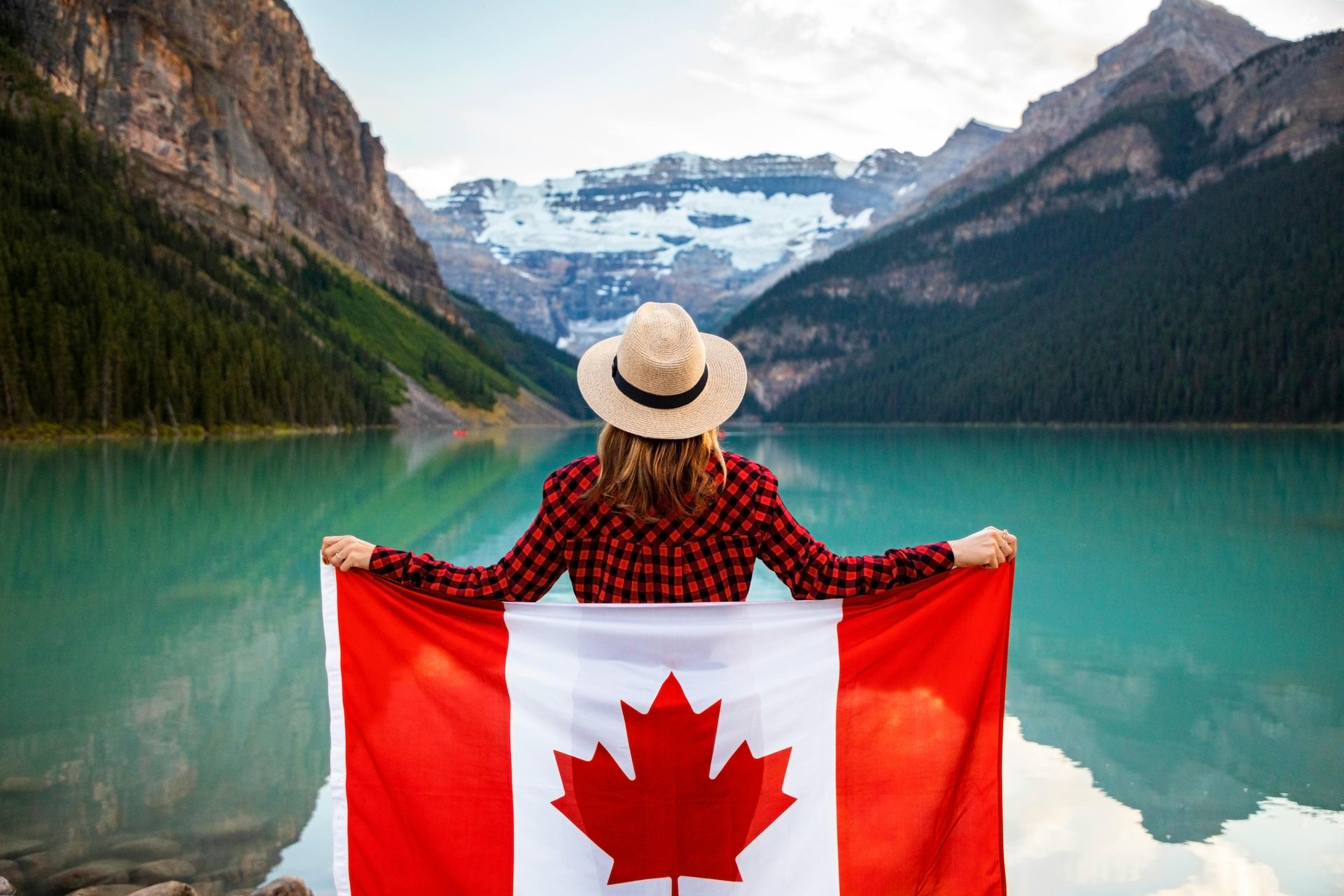







Explore by Region
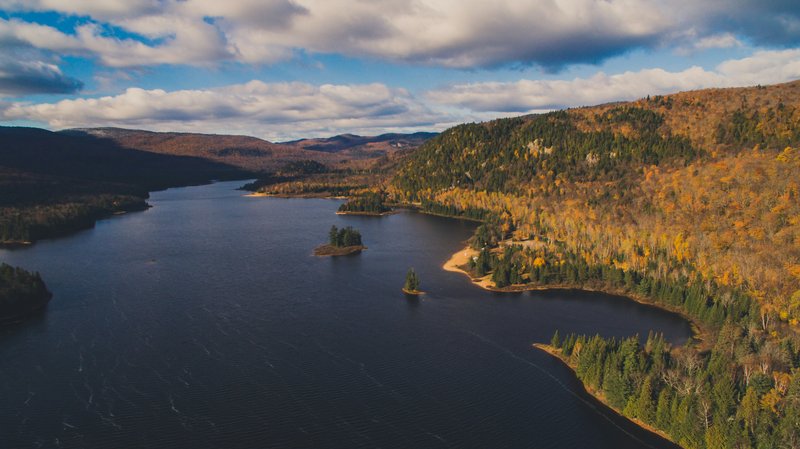
Québec


Ontario


British Columbia




Canadian Rockies & Alberta


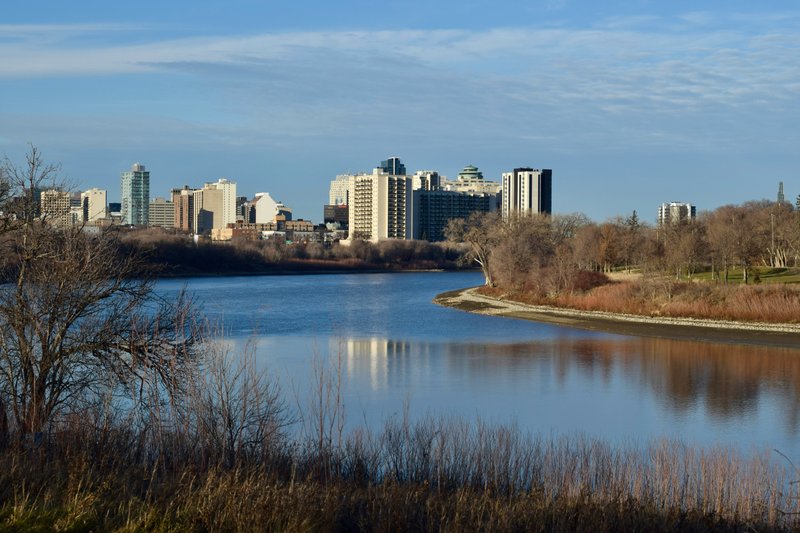
The Prairies
Winnipeg
Atlantic Canada
Halifax
Canada
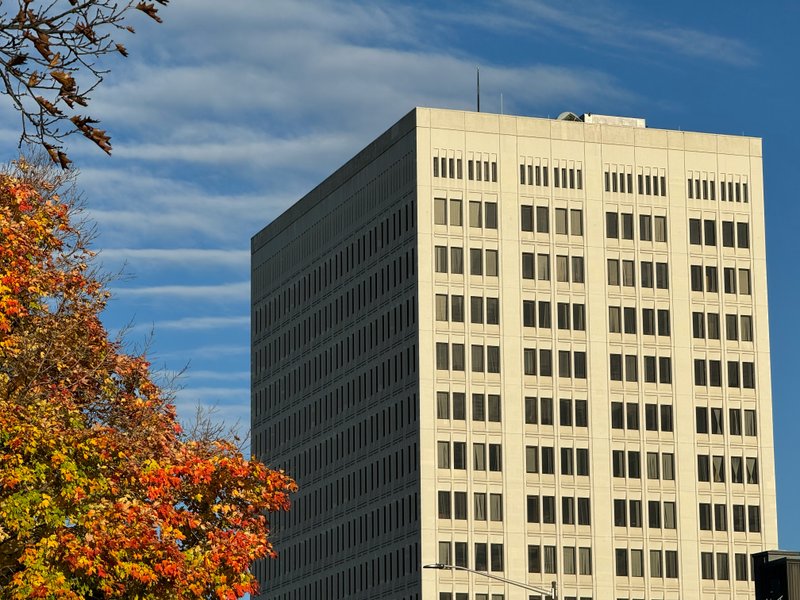
Canada's hospitality landscape spans Vancouver's glass towers overlooking the Pacific, Montreal's stone townhouses in the Plateau, and Toronto's renovated warehouses in the Distillery District. The Rockies shelter timber lodges near Banff and Lake Louise, while Quebec City's ramparts enclose centuries-old auberges. The hotel register includes former railway hotels built during the transcontinental expansion, converted grain exchanges, and modernist towers in Calgary's financial core. Regional expressions vary: British Columbia favors Pacific Rim design, the Prairies embrace mid-century modernism, and the Maritimes restore Georgian and Victorian structures. Usa shares the tradition of grand railway hotels along the border, though Canadian properties often occupy more remote settings—lakefront, forest edge, or alpine valley.
The dining scene reflects immigrant waves and indigenous foodways. Montreal's boulevard Saint-Laurent runs through neighborhoods settled by Eastern European, Portuguese, and North African communities. Vancouver's Granville Island and Richmond districts serve Cantonese dim sum and Japanese kaiseki. Toronto's Kensington Market and Chinatown hold Caribbean, Vietnamese, and Tibetan kitchens. Indigenous chefs in Winnipeg and Ottawa incorporate bison, wild rice, and foraged greens. Wine regions in the Okanagan Valley and Niagara Peninsula support farm-to-table restaurants, while maritime provinces feature lobster, scallop, and oyster preparations. Mexico and Brazil influence menus in cities with Latin American diaspora populations, particularly in Alberta and Ontario.