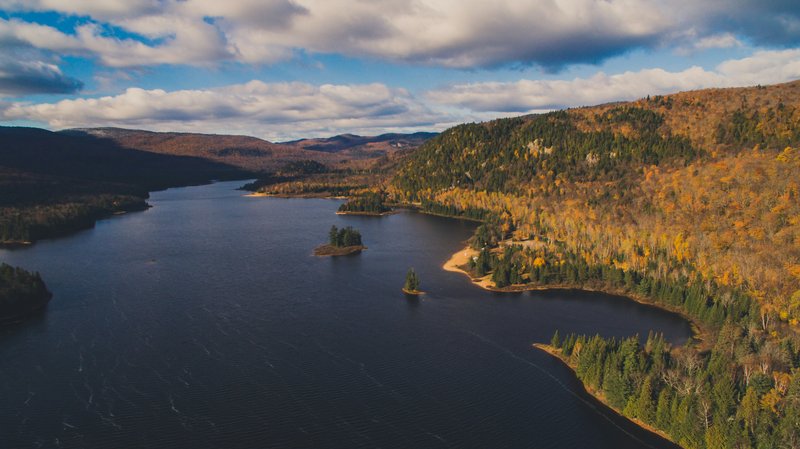
Modeled after George Washington's Mount Vernon, this century-old manor commands a forested stretch of Lake Massawippi's shoreline, its English gardens sloping toward the water. The kitchen delivers refined French-Canadian cooking matched by a 900-label wine cellar and local artisan cheeses. A four-season pool, spa with hammam and sauna, plus winter pursuits from dogsledding to ice-fishing suit active couples and families alike.
Explore Eastern Townships
Where to Stay
Where to Eat
Overlooking Lake Massawippi from a grand estate, Le Hatley showcases Chef Alexandre Vachon's mastery of Québec terroir through a refined modern lens. His cooking balances classical technique with audacious pairings—scallops alongside sea urchin, Sterling beef brightened by onion condiment—each plate demonstrating precise execution and inventive single-ingredient explorations. Two tasting menus, including a vegetarian option, reward those who linger over the extensive wine selection.
Fifteen guests gather on a covered patio in Haut-Saint-François, watching chef Daniel Charbonneau work a brasero grill, narrating as venison skewers and artichokes char in sauce diable. This collaboration between Charbonneau and market gardener Yannick Côté yields a single set menu drawn entirely from surrounding fields. The timber-decked dining room, furnished with upcycled pieces, reinforces the farm's unhurried, convivial spirit.
Celebrated market gardener Jean-Martin Fortier transformed an 1849 red-brick mill on the Brome-Missisquoi wine route into a singular dining destination. A carbon-neutral greenhouse and garden cultivating over forty vegetable varieties supply the kitchen's single set menu—think silken beets with yogurt and marigold, or barbecue-braised cabbage with brassica leaves. The Michelin Green Star confirms a farm-to-table philosophy executed with uncommon precision.
Vintage snowshoes, a weathered canoe, and antique rifles line the walls of this lakeside bistro, the casual sibling to Manoir Hovey's formal dining room. The kitchen applies modern finesse to hearty foundations: bison tartare arrives with cucumber ribbons and black garlic gel, while seared scallops gain unexpected depth from gingerbread crumble and citrus. Relaxed yet refined, ideal for unhurried lakefront evenings.
Two crackling maple wood fires anchor the open kitchen at this distinctive Four Square-style house in Granby, where chef-driven cooking unfolds almost entirely over open flame. Vegetables, fish, and meat—sourced with exacting care—emerge transformed by fire, their flavors intensified and primal. A rooftop herb garden supplies the kitchen directly, while diners at the chef's counter watch the choreography of live-fire technique behind a glassed-in wine cellar.
Inside a charming red-brick house with a green-tiled roof, guests take seats at the counter facing the open kitchen where Anthony and Claude craft inventive dishes from local ingredients. Escargots arrive with pumpkin, sweet onions, and toasted seeds, while house-made blood pudding surprises with vibrant beet purée and crispy chard leaf tempura. The natural wine selection and local beers complete a convivial, ingredient-driven experience.
A minimalist wine bar scaled to intimate proportions, Vin Polisson seats guests at counters overlooking chef Isabelle Charest's micro-kitchen. Her cooking is instinctive and seasonal, built on locally sourced produce that arrives with the region's rhythms. The wine list favors natural bottles from Québec and Nordic producers—thoughtful pairings that match the kitchen's understated precision. A Michelin Plate holder.
What to Do
Perched above Lake Massawippi's tranquil shoreline, this spa draws its restorative power from the surrounding forest of towering maples and birches. The thermal circuit moves guests through sauna, hammam, and outdoor hot tub sessions before skilled therapists deliver massages, facials, and body treatments. The Eastern Townships' crisp air and unhurried pace complete a retreat designed for genuine decompression.
Frequently Asked Questions
What makes the Eastern Townships wine region distinctive?
+
The region's continental climate with cold winters enables production of ice wine (vin de glace), harvested from grapes frozen on the vine. Over twenty vineyards, concentrated around Dunham and along the Route des Vins, also produce whites, rosés, and sparkling wines from cold-hardy grape varieties developed specifically for Quebec's terroir.
Which villages offer the strongest heritage character?
+
North Hatley retains its English-speaking summer colony atmosphere with Victorian homes overlooking Lac Massawippi. Knowlton (Lac-Brome) preserves nineteenth-century commercial architecture along its main street. Frelighsburg, near the Vermont border, maintains covered bridges and a historic mill district.
When is peak season for visiting the Eastern Townships?
+
Late September through mid-October draws the largest crowds for autumn foliage, when maple-covered hillsides turn crimson and gold. Accommodations and restaurants book far in advance during this window. Summer offers lake swimming and cycling; winter brings Nordic spa season and skiing at Mont-Orford and Owl's Head.
Nearby Destinations
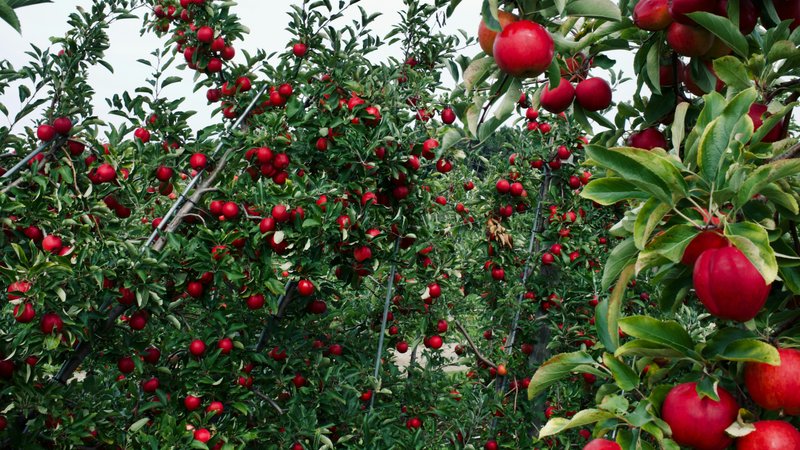
Explore CanadaThe rolling hills southeast of Montréal hold Quebec's oldest anglophone settlements, where United Empire Loyalists arrived in the 1780s and built villages that still carry their New England character. Towns like Knowlton, North Hatley, and Magog anchor different corners of this region — Knowlton with its Victorian brick storefronts along Lakeside Road, North Hatley perched above Lac Massawippi with century-old summer estates, Magog serving as the gateway to Mont-Orford's national park. The landscape shifts between dairy farms, apple orchards, and over twenty vineyards producing notable ice wines and cold-climate varietals.
Dining here draws from the terroir: duck from Lac Brome, cheeses from Fromagerie La Station in Compton, microbrews from a growing constellation of craft producers. Restaurants operate in converted general stores, lakeside pavilions, and farmhouse kitchens where reservations fill weeks ahead in autumn foliage season. The spa culture runs deep — geothermal pools, Nordic baths, and wellness retreats occupy former monasteries and purpose-built sanctuaries tucked into forested valleys. Winter brings cross-country skiing and snowshoeing; summer means cycling the Route des Vins and swimming in glacier-carved lakes that number over a hundred across the territory.