The Grande Dame of Sherbrooke Street carries a century of glamour within its gilded walls—Churchill, de Gaulle, and Elizabeth Taylor all crossed its threshold. Daniel Boulud's Maison Boulud delivers French refinement with Québécois flair and a 300-bottle wine list, while Canada's first Dom Pérignon Bar occupies the Palm Court. A heated rooftop saltwater pool surveys downtown, and the Jardin du Ritz offers a fountain-graced retreat complete with resident ducks.
Explore Montreal
Where to Stay
A landmark of mid-century Modernism reborn through a $140 million renovation, Fairmont The Queen Elizabeth anchors downtown Montreal with 950 rooms and a permanent collection of 123 works by Canadian artists across all 21 floors. The 17th-floor suite recreates John Lennon and Yoko Ono's bed-in for peace, while a rooftop garden with seven beehives supplies honey for Rosélys restaurant. Families, culture seekers, and design enthusiasts find equal footing here.
Scottish baron George Stephen's 1880 neo-Renaissance manor anchors this Golden Square Mile address, its original wood panelling and stained glass preserved in the restaurant and bar while a modern tower houses 90 contemporary rooms. Top-floor suites sprawl up to 500 square metres with city-skyline views, chromatherapy showers, heated floors and gas fireplaces. The spa, gym and loaner bikes suit active guests; families and pets are equally welcome.
A converted 1960s office block that sparked Montreal's boutique hotel revolution, this downtown address channels Starck-era design with loft-style rooms flooded by original bank windows. The 2019 renovation layered modern sixties-inspired décor over Zen bones, while the bedding—Egyptian cotton blended with bamboo—proved so popular it spawned a retail line with Simons. Downstairs, Le Boulevardier delivers French brasserie fare beneath Zébulon Perron's theatrical interiors.
Four neoclassical façades face Notre-Dame Basilica, their 19th-century bones now housing 169 rooms where exposed brick meets Frette linens and occasional wood-burning fireplaces. The five Penthouses preserve period architectural details alongside modern Jacuzzis. Downstairs, Brasserie 701 serves French classics while Kyo Bar Japonais channels Tokyo izakaya energy; eight floors up, the rooftop terrace pours its signature L'Horizon Doré against the Old Montréal skyline. The 3,000-square-foot Rainspa with hammam completes the urban retreat.
The Antonopoulos Group carved this 24-room boutique from a historic Vieux Montréal building, channeling nineteenth-century European bohemia through exposed brick, contemporary stonework, and hardwood floors that suggest a stylish friend's urban loft. An old-world bistro doubles as the front desk, its artisan baking scents giving way to hipster lounge atmosphere after dark. Outside, the historic district's hidden clubs, galleries, and bars await exploration.
A rose-hued tower in the Golden Square Mile, this 169-room property showcases designer Zébulon Perron's forest-green wallpaper crafted from a Mount Royal photograph and hand-cut crystal panels casting light across the day lounge. Marcus Samuelsson's seafood-focused restaurant anchors the social scene, while Montreal's only Kneipp hydrotherapy circuit awaits at the Guerlain Spa. Families find thoughtful touches: complimentary teepee tents, mini robes, and baby amenities.
Behind an 18th-century stone facade in Vieux Montréal, a former carpet factory houses thirty singular rooms where polished concrete floors meet vintage Eames chairs and egg-shaped freestanding tubs. The industrial-contemporary aesthetic runs through heated bathroom floors, private terraces overlooking the historic quarter, and loft-style layouts that welcome four-legged companions. Intimate scale and personal service suit couples seeking design-forward seclusion.
Two 18th-century merchant houses meet a soaring glass atrium and eight-story tower in Old Montreal's most striking architectural juxtaposition. Black-and-white minimalist rooms showcase curated artworks, while the full-service spa features hammam and sauna. Downstairs, the Living Room invites lingering with its vinyl collection and pool table; upstairs, Perché and the Terrasse deliver al fresco dining with cityscape views. A natural fit for design-conscious urban explorers.
Behind the stately façade of the former Bank of Canada headquarters, the W Montreal stages a dramatic design intervention—rooms dressed in black herringbone carpet and baroque murals give way to turquoise and neon accents, while WOW corner suites offer private terraces above Victoria Square. The Living Room bar draws a cosmopolitan crowd nightly, and pet-friendly policies extend the welcome to four-legged companions.
Where to Eat
Patrice Demers came to the stove via pâtisserie, and that sweet-maker's precision shapes every plate at this one-starred Montréal table. His signature wood-grilled mushrooms arrive crowned with a shatteringly crisp arlette and a bay-juniper sabayon, while summer menus turn almost entirely vegetarian, spotlighting Québec produce. Reservations vanish within seconds each month—persistence rewards the patient.
On the forested shores of Lake Bellemare, chef Samy Benabed runs a kitchen rooted in Quebec terroir yet shaped by Scandinavian preservation methods—lacto-fermentation, dehydration, careful curing. His venison tartare arrives with wasabi mayonnaise, fermented red currants, and crisp kale, a dish that captures his locavore philosophy. The rustic dining room, built from recycled materials, frames magnificent lake views. A Michelin Green Star recognizes the commitment to sustainable gastronomy.
Behind an unassuming façade on rue Sainte-Catherine, Chef François Nadon delivers globally-inflected modern cooking with technical precision—celery root fried in panko arrives with raw pear coulis and miso, while just-seared scallops rest on hazelnut butter amid varied zucchini textures. Pastry chef Léa Godin Beauchemin closes with inventive compositions like pear sorbet paired with pumpkin purée and buttermilk granita. Sommelier Minh Doan's wine selections complete the polished experience.
Black walls, waxed concrete, and rock music at full volume set the stage at this Le Plateau address inspired by Montmartre's infamous Cabaret de l'Enfer. Italian-born chef Massimo Piedimonte delivers sophisticated small plates with precision—scallops seared over barbecue with saffron condiment, zucchini prepared lasagna-style with mushroom jus and egg yolk fudge. The underground atmosphere channels retro London clubs, yet the cooking is decidedly refined.
Syrian and pan-Ottoman flavors converge at this Outremont address, where an open kitchen reveals chefs working the charcoal grill and shaping bread by hand. The lamb preparations—cooked various ways—anchor a menu built around vivid contrasts: pastirma's cured intensity alongside the bright crunch of fattoush. An experienced team orchestrates the feast with warmth, making this a compelling choice for convivial, flavor-driven dining.
Behind a discreet façade in Old Montreal, leather banquettes and paneled ceilings set the scene for seafood served with minimal intervention—oysters, wild prawns, razor clams presented in their purest form. The open kitchen anchors two dining rooms where 80s and 90s tracks keep the mood convivial, while sharing plates showcase daily inspirations alongside house signatures. An eclectic cellar spans French, Italian, American, and orange wines.
Inside a 1904 red-brick railway building in the Angus complex, Chef Marc-André Jetté orchestrates a weekly-changing menu where nearly everything—desserts included—passes through an imposing open hearth. Vegetables take center stage alongside preparations like hot oysters with cider sabayon. Counter seats face the flames beneath eight-meter ceilings, while sommelier Hugo Duchesne's 700-label list anchors one of Québec's most authoritative cellars.
Among Montreal's most enduring culinary institutions, La Chronique maintains its reputation through refined Japanese-inflected cuisine and impeccable formal service. Hokkaido scallops and Gaspé Peninsula Arctic char receive meticulous preparation, whether ordered à la carte or as part of an elaborate tasting sequence. The pastry kitchen excels—particularly with its cream puff—while an adventurous wine list rewards exploration with unexpected selections.
British chef Marc Cohen commands the open kitchen alone at this intimate Fairmount address, crafting a seasonal tasting menu shaped by his network of local farmers and his own nearby butcher shop. The French foundations carry unmistakable British inflections—albacore tuna arrives on bone marrow crumpet, tripe gratin meets Burgundy truffles. A thoughtful wine list and cozy scale make it ideal for quiet conversation.
Behind an unassuming façade near Château Ramezay, thick stone walls and wooden beams set the stage for refined French seafood. Leather armchairs and subdued lighting cultivate a private-club intimacy. The seasonal menu highlights local ingredients—halibut with bacon jam, olive oil-confit trout—unified by sauces that deliver precise, flavorful counterpoints. An extensive wine list completes the experience.
What to Do
Montreal's sole Kneipp hydrotherapy circuit anchors this Guerlain sanctuary, where twin thermal baths and a rounded-pebble footpath deliver natural reflexology beneath soft light. Treatments begin with selecting an olfactory theme, personalizing the sensory atmosphere before signature rituals like La Noblesse—a ninety-minute massage followed by a reviving bath and champagne. The private Tonka Imperiale Suite accommodates couples seeking discretion and indulgence à deux.
Frequently Asked Questions
Which Montréal neighborhoods offer the best hotel locations?
+
Old Montréal delivers historic atmosphere with cobblestone streets and waterfront access, ideal for first-time visitors. Downtown positions you near major museums and shopping along Sainte-Catherine. The Golden Square Mile offers a quieter residential feel with easy access to Mount Royal. For a more local experience, look toward properties near the Plateau-Mont-Royal, though options there remain limited.
What should visitors know about Montréal's bilingual hotel culture?
+
Staff at major properties switch fluidly between French and English, though greeting in French — even a simple 'bonjour' — is appreciated and expected as a matter of local etiquette. Signage, menus, and printed materials appear primarily in French by provincial law, which adds to the European sensibility that distinguishes Montréal from other North American cities.
How does seasonality affect hotel stays in Montréal?
+
Summer and early autumn bring festival season — jazz in June and July, comedy in July, cinema in August — when downtown properties fill quickly and rates peak. Winter transforms the city into a cold-weather destination where underground tunnels connect major hotels to shopping and dining. Spring shoulder season offers value, though expect variable weather through April.
Nearby Destinations
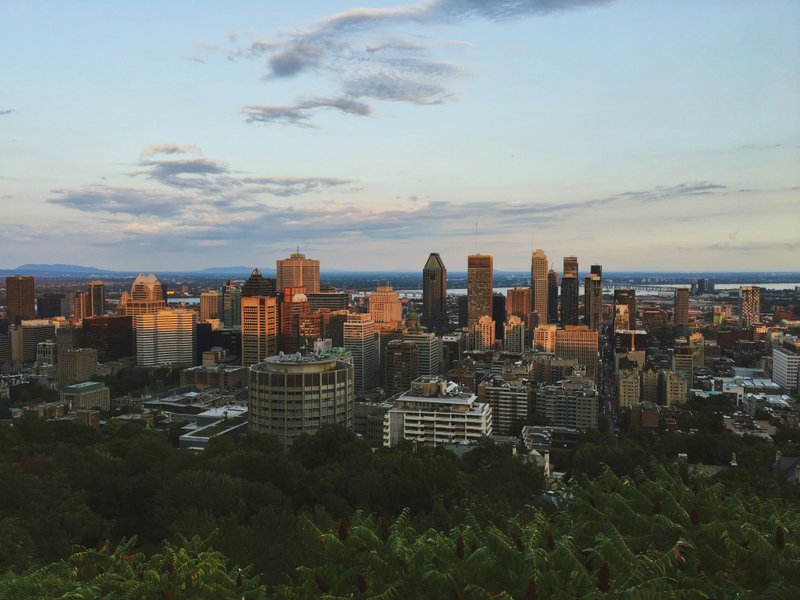
Explore CanadaMontréal's hotel landscape mirrors the city's split personality: the cobblestone romance of Old Montréal, where converted warehouses and nineteenth-century buildings house intimate properties with exposed brick and river views, against the glass towers of downtown and the creative energy radiating from Mile End and the Plateau. The city's francophone soul shapes everything from the morning greeting to the wine list, yet the hospitality carries a North American ease that makes check-in feel effortless.
Geography matters here. Properties along Rue Saint-Jacques put you steps from Notre-Dame Basilica and the waterfront; those near Sherbrooke gain proximity to the Museum of Fine Arts and the mountain's green slopes. Summer transforms rooftop terraces into essential territory, while winter makes spa facilities and heated pools genuine necessities rather than amenities. The dining floors of major hotels often compete seriously with standalone restaurants — a reflection of the city's deep food culture seeping into every corner of the hospitality industry.