The brand's flagship rises as a blue glass tower above Yorkville, Toronto's most refined quarter. Recently refreshed rooms draw on Canadian landscapes—nature-toned textiles, granite spa-style bathrooms—while Daniel Boulud's Café Boulud delivers rotisserie chicken with French precision. An 18-room spa ranks among the city's largest, and the bespoke MyBar showcases Niagara wines. Service here sets the standard for the entire group.
Explore Toronto
Where to Stay
Yabu Pushelberg's interiors give this Yorkville boutique a Gatsby-era glamour—gilded lobby frames, Canadian art from Bruno Billio's stacked suitcases to Sorel Etrog's bronze dancers. One Restaurant's wraparound patio draws the neighborhood's power crowd, while the Valmont spa and heated saltwater pool offer quieter indulgence. A private screening room buzzes during film festival season, cementing its appeal for creatives and executives alike.
A sleeker, more contemporary interpretation of the Ritz-Carlton brand, this 263-room tower near the entertainment district pairs floor-to-ceiling windows with marble bathrooms and in-mirror televisions. TOCA restaurant houses Canada's only hotel cheese cave, while Spa myBlend delivers personalized facial treatments with detailed skin analysis. Families appreciate creative packages—tents pitched in children's rooms—and 66 interconnecting suites for multi-generational stays.
Lenny Kravitz designed an entire floor of this 96-room property, infusing rock-and-roll swagger into Studio Munge's opulent interiors. The rooftop KŌST restaurant delivers California-Baja cuisine from the 44th floor, while French Made offers relaxed Parisian café fare below. A seasonal outdoor pool, pet-friendly policies, and four distinct drinking spots suit style-conscious urbanites exploring Toronto's Fashion District.
Over 3,000 plants transform this Rockwell Group-designed property into a verdant retreat amid King West's urban energy. The rooftop plunge pool offers sweeping southeastern skyline views, while Harriet's—from The h.wood Group behind L.A.'s Delilah—serves Japanese-influenced plates on its wrap-around terrace. Below, 1 Kitchen operates zero-waste, sourcing herbs from an onsite garden complete with bee hotel. The Field House gym includes a rock-climbing wall for active travelers.
A 40-ton metal tree sculpture marks the threshold of this Financial District tower, where carved wooden screens and cascading water features channel Asian aesthetics throughout 202 rooms. Guest quarters run larger than typical suites, with heated floors and operable floor-to-ceiling windows. The fifth-floor Miraj Hammam Spa offers traditional steam circuits, while Momofuku Noodle Bar delivers Sichuan-spiced comfort. Families and pet owners find equal welcome.
A 2021 redesign by Alessandro Munge channels the Group of Seven's wilderness aesthetic through textured lobbies and indigenous art, including Nadia Myre's 12,000-bead installation. Suites climb toward loft bedrooms with skyline panoramas, while the 8,000-square-foot Stillwater Spa offers thirteen treatment rooms. Joni restaurant delivers bistronomy-inflected Canadian fare, and the 17th-floor Writers Room—Toronto's sole rooftop bar—honors five decades of literary patronage with antique ink bottles and fireplace lounging.
With just 36 rooms, Nobu's Canadian outpost operates on a different scale than its sister properties worldwide. Pale wood paneling and floor-to-ceiling windows define the minimalist Japanese aesthetic, while spa-like bathrooms feature deep soaking tubs and Toto toilets. Corner suites capture sweeping skyline panoramas; lake-facing accommodations add glass fireplaces. The exclusive Sakura Lounge, modeled on a traditional tea house, offers guests refuge from the perpetually buzzing restaurant below.
Behind a 1927 neo-Gothic facade near Yorkville, Windsor Arms conceals 28 luxe-minimalist suites dressed in creams and beiges with Frette linens and limestone bathrooms featuring Jacuzzi tubs. A favorite of film industry talent during TIFF, the hotel delivers 24-hour butler service through an ingenious two-way cupboard for discreet deliveries. Two upper floors house an indoor saltwater pool and Ayurvedic spa, while the Tea Room transitions from acclaimed afternoon service to evening champagne and caviar.
Canada's tallest residential tower pierces Toronto's skyline at 900 feet, its interiors dressed in a caviar-and-champagne palette that channels Golden Age Hollywood. The city's largest hotel rooms feel more like private residences, while the 31st floor delivers twin draws: Louix Louis restaurant and a heated saltwater infinity pool with panoramic views. Post-treatment champagne at the spa and a celebrated afternoon tea complete the picture.
Where to Eat
Beneath Yorkville's polished streets, Chef Ryusuke Nakagawa practices a personal interpretation of Kyō-Kaiseki in a minimalist underground dining room. His signature maguro flower—akami and chutoro sculpted into a delicate rose—arrives on handmade Arita pottery with origins tracing to the 1600s. Duck breast meatball enriched with foie gras and shaved black truffles demonstrates the kitchen's intricate, technique-driven approach to modern Japanese cuisine.
Chef Patrick Kriss earns his Michelin star through a surprise tasting menu that bridges European technique with Asian precision—Koshihikari risotto enriched with dashi and lobster, Hokkaido scallop under smoked beurre blanc. The marble-topped chef's counter offers front-row theatre to a kitchen that handles refined cooking with disarming ease. Walk-ins find genuine warmth at the bar; reservations unlock the full experience.
Chef Daniele Corona's one-Michelin-starred DaNico occupies a former bank on College Street, its vault-like interior dressed in dark tones and linen tablecloths, offset by playfully irreverent art. The Italian cooking draws on global accents—wild Pacific crab arrives over delicate vegetable strands, finished tableside with Sicilian olive coulis, while house-made basil bottini cradle smoked burrata in rich cream. Prix-fixe and tasting menus reward unhurried evening dining.
Perched atop The Westin with panoramic views stretching across Toronto's harbour and skyline, this one-Michelin-starred Italian table opens with seared Muscovy duck—boldly flavored, confidently executed. The kitchen's textural intelligence surfaces in vermicelli paired with mackerel and pine nuts, while porchetta glistens under a honey glaze that borders on theatrical. Prix fixe and tasting menus suit occasions demanding polish.
A husband-and-wife team runs this intimate Michelin-starred dining room on Niagara Street, where a set multicourse menu draws deeply from Spanish and Mediterranean traditions. Québec snow crab arrives with fennel and silken mousseline; John Dory comes paired with white asparagus, porcini, and Amontillado sherry sauce. House-cured sausages and artisanal cheeses round out an evening of unhurried, personal hospitality.
Nordic precision meets Japanese restraint at this one-Michelin-starred Yorkville address, where the kitchen orchestrates cross-cultural compositions with exacting detail. Atlantic halibut arrives alongside chanterelles; Australian wagyu finds its counterpoint in bone marrow. The dessert course—raspberry and yuzu layered with puff pastry—often proves the meal's crescendo. Thoughtful wine pairings complete an evening suited to collectors of refined, boundary-crossing cuisine.
Through labyrinthine corridors connected to the Canadian Japanese Cultural Center, Chef Masaki Hashimoto orchestrates a one-Michelin-starred kaiseki experience where every guest receives a private dining room. His seasonal eight-course menu moves from pristine line-caught sea bream sashimi through grilled cutlass fish to Miyazaki wagyu, each plate composed with exacting precision. The intimacy suits celebrations and confidential conversations alike.
Chef Takeshi Sato commands his open kitchen counter with deliberate precision, orchestrating a freewheeling omakase that defies conventional kaiseki structure. Ingredients flown directly from Japan—pristine toro, delicate shiso—emerge as signature courses: tempura-fried mackerel, seared toro nigiri crowned with Japanese green onions. Soulful dashi broths thread through each progression while a young brigade maintains constant, theatrical motion around the one-Michelin-starred space.
Candlelight flickers across cream walls and blond-oak tables at Chef Rob Rossi's one-starred Ligurian dining room, where the seafood traditions of Italy's northwest coast take center stage. The kitchen delivers impeccably light vitello tonnato alongside wild snow crab tagliolini ribboned with smoked bottarga. A deep Italian wine list and accomplished cocktails complement the refined yet hospitable atmosphere through to the essential tiramisu finale.
Quetzal earned its Michelin star through elemental cooking—nearly every dish passes through wood-burning grills and hearths, filling the room with primal smoke. A single cook works an earthenware comal, pressing tortillas from heirloom corn nixtamalized on-site. The secreto al pastor arrives meltingly tender alongside charred pineapple, while the bar pours inventive agave-based cocktails to match the fire-driven intensity.
What to Do
A member of the exclusive V35 Club, this intimate retreat upholds Swiss wellness traditions dating to 1905. Upon arrival, a signature blend of seven essential oils signals the transition from Yorkville's bustle to complete stillness. The few treatment rooms guarantee seclusion, while Valmont's celebrated facials—the house specialty—deliver visible radiance. Each session is calibrated to individual needs, ensuring departure as unhurried as the experience itself.
Spanning 23,000 square feet within the Ritz-Carlton, this urban retreat houses sixteen treatment rooms and three distinct relaxation lounges. The Cloud 9 massage draws on Canadian botanicals—Niagara lavender, Québec sage, organic pumpkin oil—while Clarins-powered facials offer deeply personalized skincare. Between sessions, guests drift through a saltwater pool, eucalyptus steam room, and aroma-infused vitality pool.
Alessandro Munge's design for Stillwater Spa at Park Hyatt Toronto wraps visitors in warm neutrals and gentle textures, a deliberate antidote to Yorkville's urban pulse. Spa concierges craft each session—massage, facial, body ritual—around individual wellness objectives rather than fixed protocols. The seventeen treatment rooms give way to saunas, steam rooms, and a lounge where the pastry team's madeleines and mango jellies add an unexpected gastronomic flourish.
Occupying the ninth floor of the Four Seasons Toronto, this 30,000-square-foot retreat holds the distinction of being the brand's largest urban spa. Eighteen treatment rooms and a dedicated Wellness & Bio Bar deliver targeted therapies, while floor-to-ceiling windows frame Yorkville's skyline. The indoor pool and whirlpool open onto a private balcony—a vantage point locals call Cloud 9 for good reason.
Perched across the 31st and 32nd floors, this bi-level retreat commands sweeping views of Toronto and Lake Ontario from its turquoise saltwater infinity pool, art-deco whirlpool, and thirteen treatment rooms. Guests surrender to the Sensual Elevation ritual—warmed enzymatic syrup worked into skin with handmade terra-cotta stones—or linger in the VIP lounge sampling rare Scotch beside a flickering fire. Couples book the five-hour Art of Escape for side-by-side massages ending with prosecco and macaroons.
Ninety minutes from Toronto, this Victorian manor spa draws on its Carolinian forest setting for treatments rooted in natural calm. Massages, body wraps, and beauty rituals unfold across facilities that include a hammam, sauna, and hot tub. Guests drift between yoga sessions and vineyard walks on the estate grounds, where century-old trees frame a deliberate retreat from urban pace.
Frequently Asked Questions
Which Toronto neighborhoods offer the most distinctive hotel experiences?
+
Yorkville provides an upscale residential feel with converted Victorian properties and proximity to high-end shopping along Bloor Street. The Distillery District appeals to those drawn to industrial heritage architecture. King West suits guests wanting immediate access to restaurants, theaters, and nightlife without relying on transit.
What is the best time of year to visit Toronto?
+
September and early October bring warm days, cultural festivals including TIFF (Toronto International Film Festival), and autumn colors across the ravine system. June offers long evenings and outdoor patios in full swing. Winter visitors can navigate the entire downtown core through the PATH, a 30-kilometer underground network of shops and restaurants connecting major hotels.
How does Toronto's food scene reflect its multicultural character?
+
Over half of Toronto's residents were born outside Canada, creating neighborhood-specific culinary concentrations rarely found elsewhere. Scarborough's Golden Mile hosts South Asian and Caribbean communities. North York's Yonge corridor features Persian and Korean establishments. The downtown core layers these influences—chefs increasingly draw from multiple traditions within single menus, making fusion less a gimmick than a reflection of the city itself.
Nearby Destinations
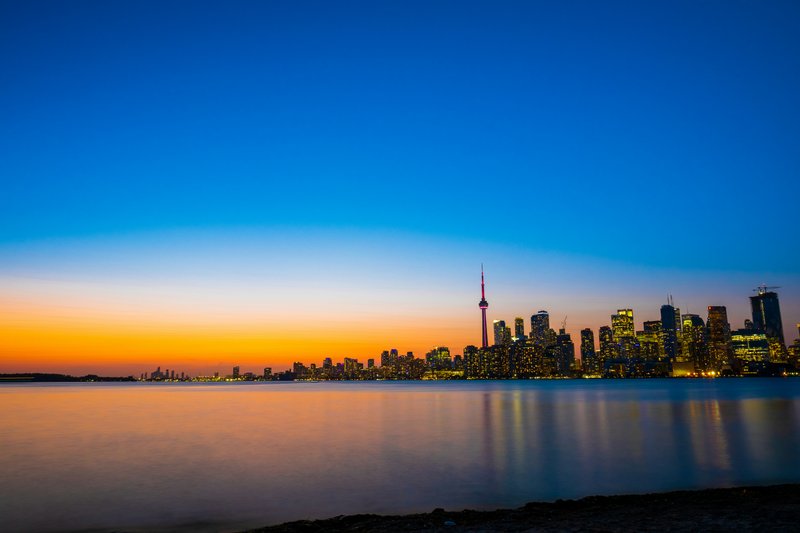
Explore CanadaToronto sprawls along Lake Ontario's northwestern shore, a city of distinct neighborhoods each with their own architectural identity. Yorkville's Victorian mansions house intimate boutique properties. The Entertainment District delivers sleek towers with skyline views. The Distillery District—a preserved Victorian industrial complex—offers heritage conversions where exposed brick meets contemporary design. West Queen West brings art-forward concepts, while the Financial District caters to those who prefer proximity to the PATH underground network and Union Station.
The dining scene draws from one of the world's most multicultural populations. Kensington Market's labyrinthine streets yield everything from Jamaican patties to Portuguese custard tarts. Chinatown spans Spadina Avenue with Cantonese, Szechuan, and dim sum traditions. Little Italy on College Street and Greektown on the Danforth each maintain strong culinary identities decades after their founding immigrant communities established them. For cocktails, speakeasy-style bars have colonized former bank vaults and Prohibition-era basements throughout the downtown core.