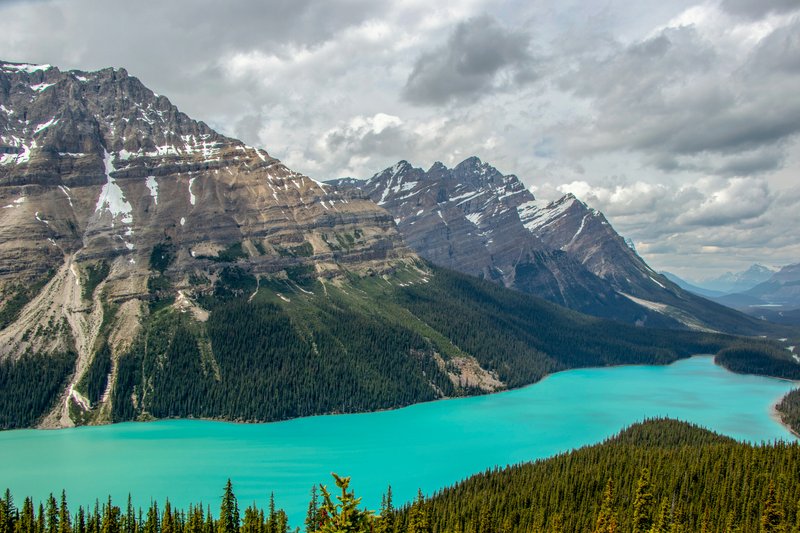
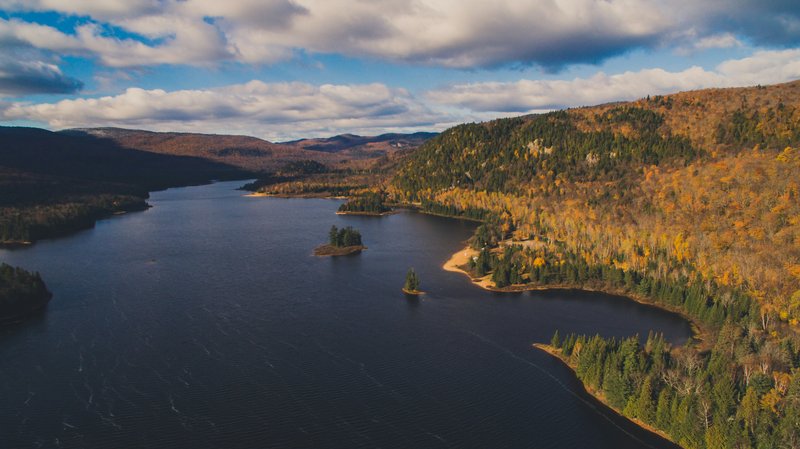
Rising like a Scottish baronial fortress against the peaks of Banff National Park, this 724-room landmark commands views of the Spray and Bow Valleys from its UNESCO-protected setting. The spa's 23 treatment rooms and mineral pools provide refuge after rounds on the championship golf course—the Devil's Cauldron hole alone justifies the visit. Winter brings dogsledding and cross-country skiing; families find dedicated kids' programming year-round.
Where to Stay
This grand 1890 railway hotel commands views of glacial Lake Louise from 487 rooms decorated in alpine-colonial style, with ornate chandeliers anchoring lobby spaces that recall an opulent hunting lodge. Lakeside accommodations deliver the iconic postcard panorama of snow-capped peaks. The Snow School provides expert ski instruction, while professional mountain guides lead guests into terrain that ranks among North America's finest for skiing and climbing.
A red-roofed log lodge thirty minutes north of Lake Louise, this 17-room retreat sits within an immense sweep of Rocky Mountain wilderness. The rustic timber construction has been thoughtfully modernized, with the Num-Ti-Jah Suite offering a Japanese soaking tub and commanding views. Evenings gather momentum at 6:30, when guests convene in the Elkhorn Dining Room for a four-course set menu beside the wood-burning fireplace.
A WWII-era ski lodge reinvented by a leading Canadian architecture firm, the Post Hotel retains its signature red roof while embracing contemporary mountain elegance through wood-paneled interiors and timbered ceilings. Private balconies frame the Rockies; the Temple Mountain spa offers sauna and heated indoor pool. Swiss-trained chef Hans Sauter helms one of Alberta's finest restaurants, supported by a cellar of 25,000 bottles.
Scattered along the shores of Lac Beauvert, this collection of cottages and cabins traces its origins to a 1920s railroad camp—a heritage evident in its relaxed, lodge-style atmosphere. A 10,000-square-foot spa draws on the surrounding wilderness, while Cavell's Restaurant serves buffalo and venison with views of Mount Edith Cavell. Families appreciate the Kids' Club; adventurers find exceptional skiing and golf minutes away.
Carved into Sulphur Mountain's slope, this 320-room property cascades downward from a seventh-floor entrance, positioning nearly every room to capture sweeping views of Mount Rundle and Bow Valley. Double-height lobby windows frame the Rockies' drama, while thermal pools and mountain-view saunas anchor the wellness offering. Parker's Table delivers Canadian terroir against that same spectacular backdrop—ideal for travelers seeking alpine grandeur with substance.
What to Do
Temple Mountain Spa draws on its alpine setting within Banff National Park to create a wellness retreat of quiet intensity. The saltwater pool frames views across Lake Louise's still waters, while treatment rooms offer indulgent rituals—the Chocolate Serenity sequence pairs orange exfoliation with a cocoa wrap and hot stone massage. Afterward, guests drift to the fireside lounge, where time slows beneath crackling flames.
The 40,000-square-foot Willow Stream Spa channels the region's thermal heritage through three waterfall plunge pools—cold to hot—echoing the natural springs that first drew visitors to these mountains. An outdoor whirlpool frames panoramic Rocky Mountain views, while eucalyptus inhalation rooms and mineral pools restore weary bodies. Weekend sound bathing sessions in a private meditation room deepen the alpine retreat experience.
Frequently Asked Questions
What is the best time of year to visit the Canadian Rockies?
+
Peak summer season runs from late June through early September, when hiking trails are snow-free and most mountain passes remain open. Ski season typically spans late November to mid-April, with February and March offering the most reliable powder conditions. Shoulder seasons — May and October — bring fewer crowds and dramatic weather shifts, though some high-altitude facilities close during these transition periods.
How do Banff and Jasper differ as bases for exploring the region?
+
Banff sits closer to Calgary (90 minutes by car), offers more concentrated dining and shopping, and draws larger international crowds year-round. Jasper, three hours north along the Icefields Parkway, maintains a quieter atmosphere with better wildlife-viewing opportunities and certified dark-sky status for stargazing. Many travelers combine both, spending nights in each town while driving the scenic parkway between them.
Are there wilderness lodges accessible only by air in the Canadian Rockies?
+
Several backcountry lodges operate on a fly-in basis, particularly in British Columbia's heli-skiing zones around Revelstoke, Golden, and the Cariboo Mountains. These properties typically accommodate small groups, include guided activities with certified mountain professionals, and require advance booking of several months to a year for peak season dates.
Nearby Destinations
Explore CanadaThe Canadian Rockies stretch across the Alberta-British Columbia border, anchored by gateway towns that each carry distinct personalities. Banff draws the heritage crowd to its century-old springs and Fairmont fortress; Jasper stays quieter, its dark-sky preserve attracting astronomers and wildlife photographers tracking elk herds along the Athabasca Valley. Lake Louise operates as a seasonal pivot point — skiers descend its back bowls from November through May, while summer hikers crowd the famous lakeshore trail before dawn to beat the tour buses.
Canmore has emerged as the region's design-forward alternative, its converted mining-town Main Street now lined with independent coffee roasters and gear shops catering to climbers headed for the Ghost River Wilderness. Further west, Golden and Revelstoke anchor British Columbia's powder circuit, where heli-ski operators run morning briefings over espresso at local bakeries. Throughout the range, accommodation follows the terrain — log-built lodges accessible only by helicopter, rail-station hotels dating to the 1920s, and contemporary mountain houses with floor-to-ceiling glass framing the peaks. Dining leans toward elk tartare, Alberta beef aged in-house, and foraged mushrooms from the valley floors.