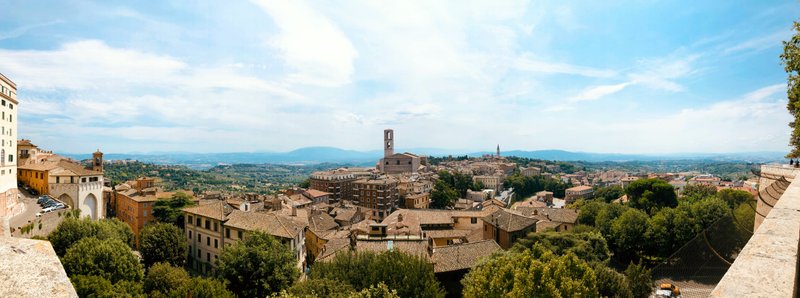
Perched atop Monte Mario, La Pergola commands sweeping views of Rome's terracotta rooftops and distant hills—a theatrical backdrop for Heinz Beck's three-Michelin-starred seafood cuisine. Since 1994, Beck has refined his approach toward lightness and sustainability, crafting Mediterranean dishes that feel both classic and inventive. Sommelier Marco Reitano navigates an extraordinary cellar with quiet expertise, completing an evening of rare polish.
Explore Rome Seafood
Chef Anthony Genovese orchestrates blind tasting menus that traverse continents, with his Italy-Japan fusion producing revelations like gyoza filled with Piedmontese finanziera, finished with oxtail-inspired broth. The two-Michelin-starred kitchen pairs this global sensibility with a cellar approaching 2,000 wine references, while a polished service team ensures the intimate dining room feels both celebratory and precise—ideal for seafood devotees seeking culinary ambition.
Facing the Baroque façade of Chiesa Nuova, Pipero Roma holds a Michelin star for chef Ciro Scamardella's seasonal cooking, which channels his Campanian roots through rapini, escarole, and sun-bright lemons. Plates arrive as studies in balance and color—his beef with spinach, bay leaf, and black garlic sauce exemplifies the restrained creativity. Front-of-house service under Achille Sardiello matches the kitchen's precision.
Overlooking the Tiber at Nautilus Marina, Il Tino showcases chef Daniele Usai's refined seafood cuisine, shaped by formative years under Gualtiero Marchesi. The one-starred kitchen draws on a visible herb garden to accent pristine fish with aromatic intensity, while Asian-inflected plating brings graphic precision to each course. A compelling destination for travelers seeking polished, ingredient-driven coastal cooking near Rome.
At Fiumicino's working harbor, chef Gianfranco Pascucci applies near-Oriental precision to the day's catch, resulting in dishes like raw gurnard paired with ceviche, Kaluga-Amur caviar, and courgettes. His tasting menu, poetically titled 'Come è profondo il mare,' earns a Michelin star through this meticulous approach. A wine selection championing Lazio coastal producers complements the seafood, while Vanessa's front-of-house team ensures warm, polished service throughout.
Flaminio's Bistrot 64 anchors its seafood menu in the culinary heritage of Lazio, then pivots toward unexpected Asian inflections—a pairing that sounds improbable yet lands with precision. The classic dining room, understated and unhurried, lets the kitchen's technical confidence take center stage. Ideal for travelers seeking creative Italian seafood without theatrical excess.
Chef Marco Claroni runs a focused seafood operation in Fiumicino where local sourcing dictates the daily offering—rare fish varieties appear when fishermen land them. The kitchen handles raw preparations with confidence, applies subtle Asian accents to marinades, and cures its own bottarga in-house. A serious address for diners seeking pristine Mediterranean catch prepared with technical precision.
A few steps from Piazza Navona, 53 Untitled occupies an intimate room where reservations prove essential. The Bib Gourmand kitchen delivers seafood through a lens of creative ambition, weaving occasional Asian inflections into Roman tradition. Diners navigate the menu via "morsi e morsetti"—tapas-style portions that blur the line between appetizer and main—followed by pastas and regional salumi. The approach rewards curious palates seeking value without compromise.
Tucked into a residential neighborhood far from tourist circuits, this Bib Gourmand address draws a devoted local following for its dual mastery of Roman seafood and traditional specialities. The kitchen announces each day's temptations tableside—Roman-style and Jewish-style artichokes, crispy aubergine fritters, honest tripe. With only a handful of tables in its unfussy dining rooms, reservations prove essential for this authentic family-run establishment.
Frequently Asked Questions
Which Roman neighborhoods are known for good seafood restaurants?
+
Trastevere and Testaccio have long-standing fish trattorias, while the area around Campo de' Fiori offers several options for both cooked and raw preparations. Some of the more contemporary seafood-focused dining rooms have opened near Piazza Navona and in the Prati district.
What are typical Roman seafood dishes to look for?
+
Classic preparations include spaghetti alle vongole (clams), fritto misto (mixed fried seafood), grilled branzino or orata, and baccalà (salt cod) served fried or in guazzetto. Raw fish (crudo) platters have become increasingly popular at more contemporary establishments.
How is fresh fish typically priced at Roman restaurants?
+
Whole fish and larger crustaceans are usually priced per hectogram (100 grams) or per kilogram. The waiter will often present the fish before cooking so you can confirm your selection. Expect to pay a premium compared to pasta dishes, particularly for prized catches like turbot or large prawns.
Nearby Destinations
Explore ItalyRome sits sixty kilometers from the Tyrrhenian coast, yet the capital maintains a devoted relationship with the sea. Each morning, catches from Anzio, Fiumicino, and Civitavecchia arrive at the Mercato di Testaccio and smaller neighborhood markets, supplying trattorias that have served fritto misto and spaghetti alle vongole for generations. The Trastevere and Testaccio quarters harbor several respected fish-focused addresses, while the streets near Campo de' Fiori draw locals seeking raw preparations and simply grilled orata.
Roman seafood cooking favors restraint—a drizzle of local olive oil, a scatter of parsley, perhaps some cherry tomatoes from the Lazio hills. You'll find cacio e pepe reimagined with sea urchin, tonnarelli tossed with clams, and whole fish priced by weight and presented for inspection before cooking. For visitors dividing their time between the table and the city's monuments, pairing a seafood lunch with an evening at one of the best gastronomic restaurants makes for a satisfying contrast of styles.