


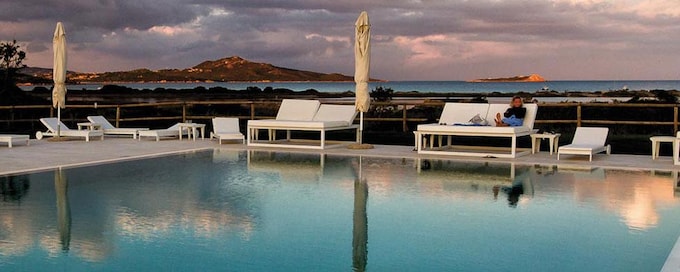
Modern architectural lines meet traditional Sardinian stone and wood at this recently elevated five-star property overlooking the beaches near San Teodoro. A 50-metre pool anchors the outdoor spaces, while an on-site spa and small winery add unexpected depth. Families find genuine infrastructure here—dedicated children's pool, organized activities, lifeguards—making it a rare luxury address that accommodates younger travelers without compromise.
Olbia & Gallura Travel Guide: Best Hotels, Restaurants & Experiences 
Explore Olbia Gallura
Hotels (1)
Restaurants (7)
Where to Stay

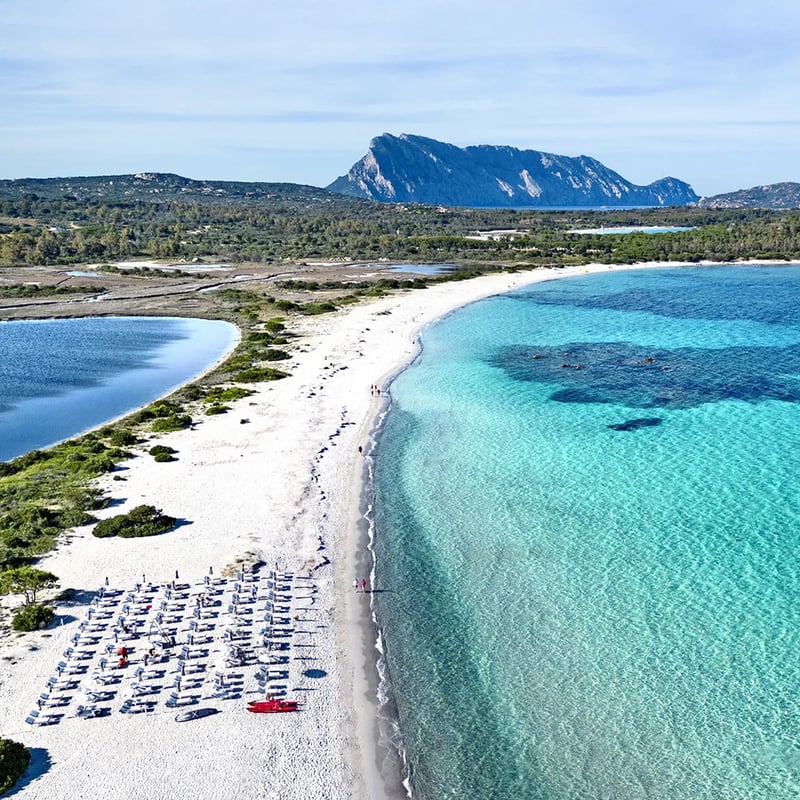
Bordering the Tavolara Marine Reserve, this 78-room resort occupies one of Sardinia's most untouched coastal stretches, with direct access to pristine beach. The architecture balances historical character with contemporary Italian design, while Gusto by Sadler delivers Michelin-starred dining among four restaurants. Families or groups book Villa le Pernici for its six bedrooms and private pool; everyone unwinds at the spa's sauna and jacuzzi.

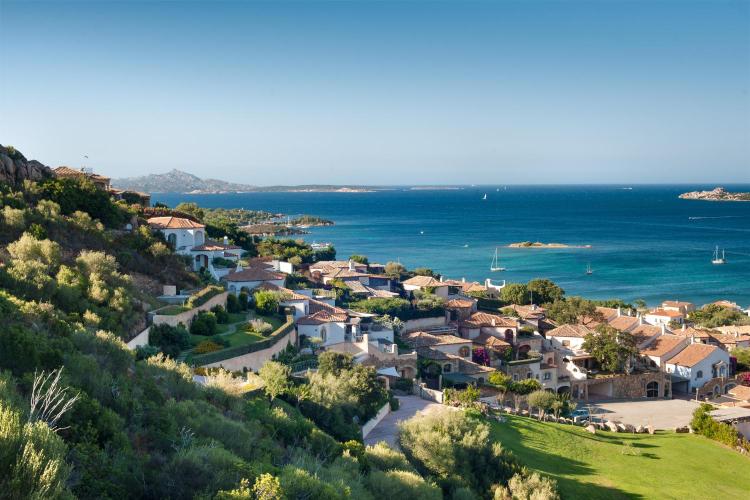
Aethos brings its signature contemporary energy to Sardinia's Gulf of Arzachena, where low-slung villas punctuate the emerald coastline. Bold color palettes, modern art, and playful design details create an atmosphere both spirited and relaxed. Suites sleeping up to six make this a rare find for families seeking style without sacrificing space—a jaunty counterpoint to the Costa Smeralda's more buttoned-up establishments.
Where to Eat

★ Michelin
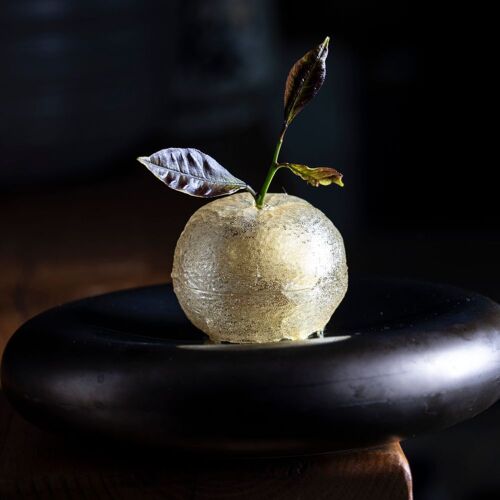
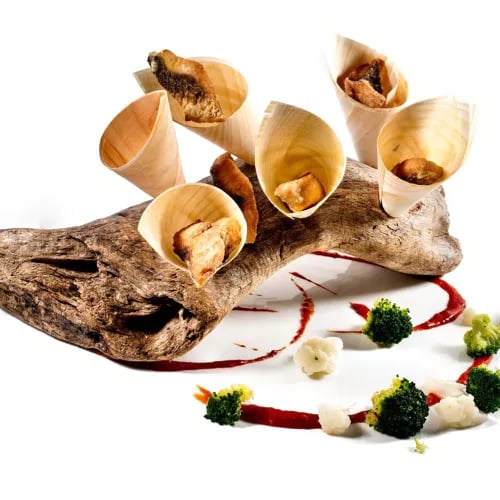
Within the Baglioni Resort north of San Teodoro, Gusto by Sadler holds a Michelin star under the creative direction of Claudio Sadler and resident chef Andrea Besana. The Mediterranean menu oscillates between refined classics—lobster salad with sweet and sour vegetables, yellow cherry tomato gazpacho—and contemporary compositions, including a striking rosehip and raspberry dessert. Tables overlook manicured gardens and a swimming pool, lending meals a distinctly resort-elegant atmosphere.

★ Michelin
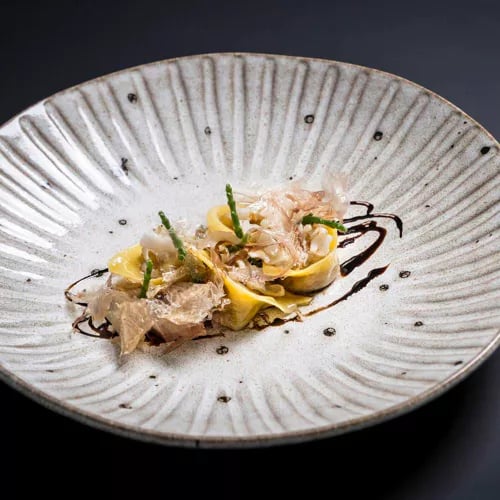
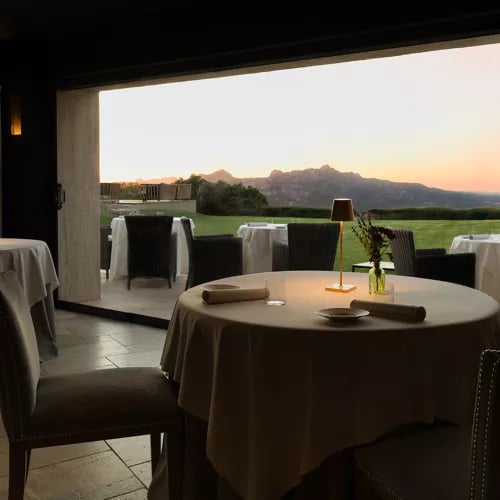
Within Petra Segreta resort's secluded grounds, where Mediterranean maquis sweeps toward distant coastal panoramas, Il Fuoco Sacro holds a Michelin star under the guidance of Enrico Bartolini. The kitchen draws directly from the estate's farm—aromatic herbs, vegetables, cheeses, and select meats—to craft modern Mediterranean plates rooted in Sardinian terroir. A destination for gastronomes seeking refinement amid wild beauty.

Michelin Selected
An Italian chef's globe-spanning apprenticeship in Japanese cuisine finds its expression just outside San Pantaleo's village center. The minimalist dining room showcases sushi and gyoza crafted from Sardinian fish so fresh the flavors need no embellishment. Mushi-pan and delicate soups round out the savory offerings, while dessert bridges cultures—traditional mochi alongside inventive Italian-inflected sweets. A refined pause for travelers exploring Gallura.

Michelin Selected
Mediterranean cooking with a pronounced emphasis on fish defines Dulchemente's contemporary approach in Olbia. The kitchen navigates confidently between modern interpretations and straightforward classics, allowing quality ingredients to speak clearly. A generous outdoor terrace provides the ideal setting for unhurried meals under Sardinian skies, attended by staff who balance warmth with polished efficiency throughout service.

Michelin Selected
Stone walls typical of Gallura architecture set an intimate tone at this seafood-focused bistro where chef Massimiliano Villani crafts contemporary dishes rooted in Sardinian ingredients. His creative range extends to dessert—a signature liquorice cigar with cocoa nibs and rum demonstrates genuine imagination. A thoughtful wine list accompanies the cuisine, while an attractive terrace offers al fresco dining during warmer months.

Michelin Selected
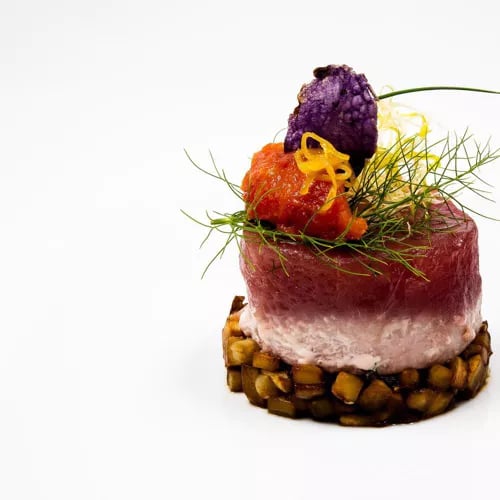
Tavolara Island rises dramatically from the sea directly before the terrace at Il Portolano, where an experienced husband-and-wife team serves the catch of Porto San Paolo with modern finesse. Raw preparations shine—notably a red tuna tartare brightened with cucumber and raspberries—alongside whole fish grilled, baked, or encrusted in salt. The sprawling outdoor dining area fills quickly through summer; reservations prove essential.

Michelin Selected
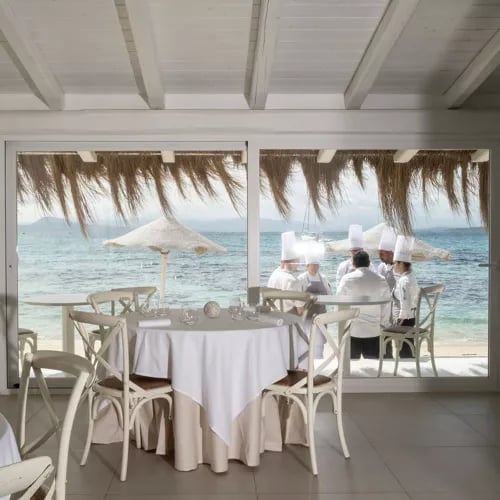
A white sand beach unfolds beneath the terrace of this Mediterranean dining room in Golfo Aranci, where owner-chef Roberto Pisano crafts light, modern preparations from the day's freshest local catch. The restaurant maintains its own private beach club, extending the seaside experience beyond the table. Collectors take note: the wine list's final pages reveal rare 'Orfanelli' bottles spanning remarkable vintages from the 1970s through the 1990s.

Michelin Selected
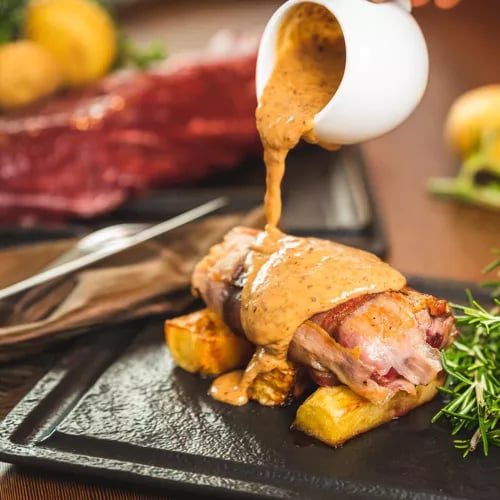
Bacchus shifts personalities between sun and stars: midday brings relaxed club sandwiches by the pool, while evening unveils a serious Sardinian kitchen earning Michelin recognition. The Mediterranean menu leans heavily toward seafood, though land-based regional dishes hold their own. The veranda tables, suspended above the water's reflection, make dinner here a proper Gallura moment—unhurried, salt-tinged, genuinely local.
What to Do

Relais & Châteaux
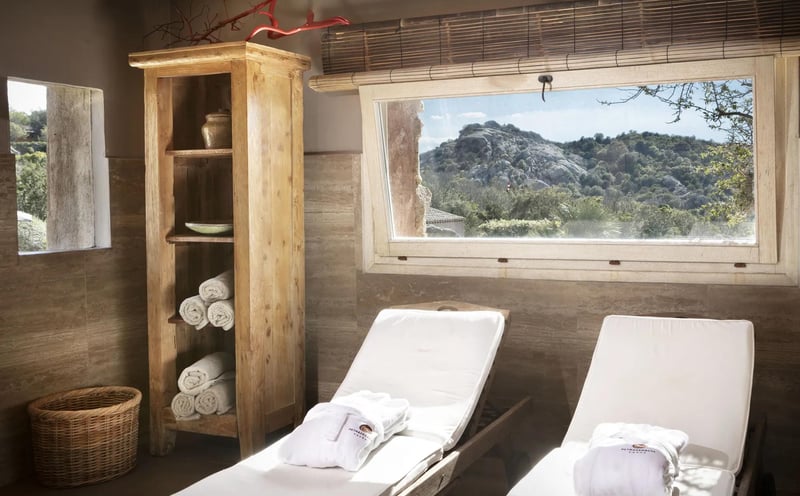
Within the granite wilderness of Gallura, an authentic Balinese hut shelters a 90-square-metre sanctuary devoted to Ayurvedic traditions. The spa draws on Oriental massage techniques alongside a thermarium and hammam carved into natural rock grottos, while panoramic views sweep across the Gulf of Arzachena toward the Maddalena archipelago. Traditional stone cottages scattered through juniper-scented forest complete this secluded wellness retreat.
Frequently Asked Questions
What is the best time of year to visit Olbia and Gallura?
+
May through June and September through October offer ideal conditions — warm enough for swimming, uncrowded beaches, and lower rates. July and August bring peak season crowds to Costa Smeralda, though the interior villages remain relatively tranquil year-round.
How do the Costa Smeralda and inland Gallura differ in character?
+
The coast centers on Mediterranean glamour: yacht harbors, beach clubs, and designer boutiques in Porto Cervo's Piazzetta. Inland Gallura reveals rural Sardinia — granite villages like Tempio Pausania and Calangianus, cork forests, and agriturismi serving traditional preparations like zuppa gallurese and roasted porcetto.
Is a car necessary to explore the Gallura region?
+
Essential, particularly for reaching hidden beaches like Cala Brandinchi or interior sites such as the Tomba dei Giganti di Coddu Vecchiu. Roads wind through dramatic scenery but are well-maintained. Olbia's airport and port make pickup convenient.
Nearby Destinations
Explore Italy




Olbia Gallura
Sardinia's northeastern corner unfolds as a study in contrasts. Olbia itself functions as the gateway — a working port city where ferries from Civitavecchia and Livorno dock alongside superyachts, and where the Romanesque Basilica di San Simplicio anchors a centro storico of granite-paved lanes. The real draw lies beyond: the Costa Smeralda, developed in the 1960s by the Aga Khan, stretches northward through Porto Cervo and Porto Rotondo, its architecture deliberately low-rise and earth-toned to blend with the macchia mediterranea.
The Gallura region extends inland through cork oak forests and granite formations weathered into surreal shapes — the Valle della Luna near Aggius draws comparisons to a lunar landscape. Dining runs from beach clubs serving fregola con arselle at water's edge to agriturismi in the hills where suckling pig roasts over juniper wood. The rhythm here follows the seasons: summer brings the international set to emerald coves accessible only by boat, while spring and autumn reveal a quieter Sardinia of shepherds' paths and Vermentino vineyards sloping toward the sea.