


Stone flagstones and Burgundy floors trace this eleven-room address back to its 12th-century origins as a Knights Templar stronghold. The 1998 restoration preserved exposed beams and imposing hearths while adding a seasonal courtyard pool and sauna. La Commanderie restaurant pairs regional cuisine with local wines beneath half-timbered ceilings—an understated retreat for history-minded travelers who appreciate pet-friendly policies and garden breakfasts.
Troyes Travel Guide: Best Hotels, Restaurants & Experiences 
Explore Troyes
Hotels (2)
Restaurants (10)
Where to Stay

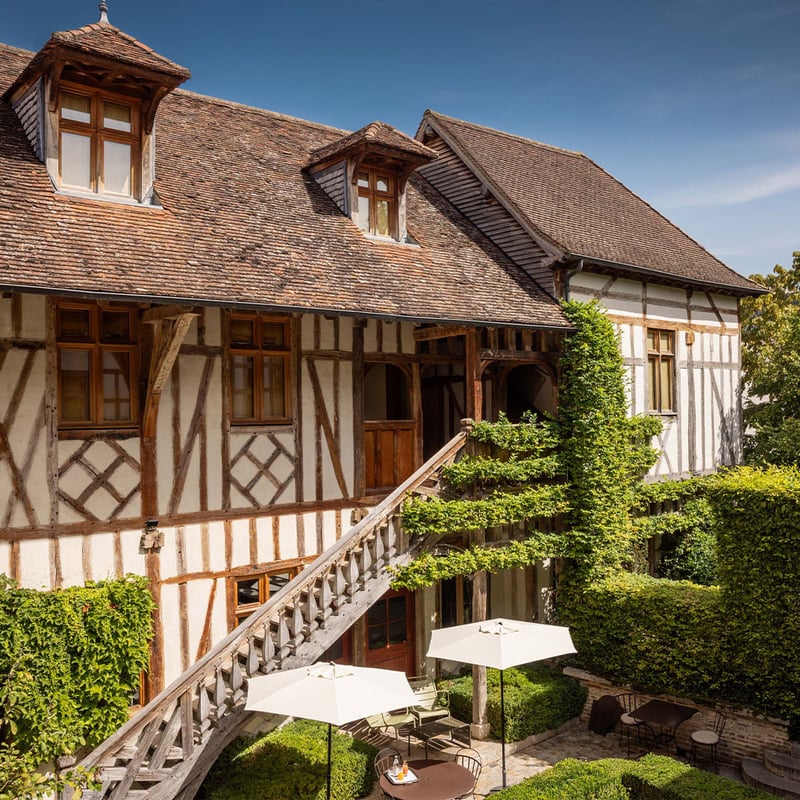
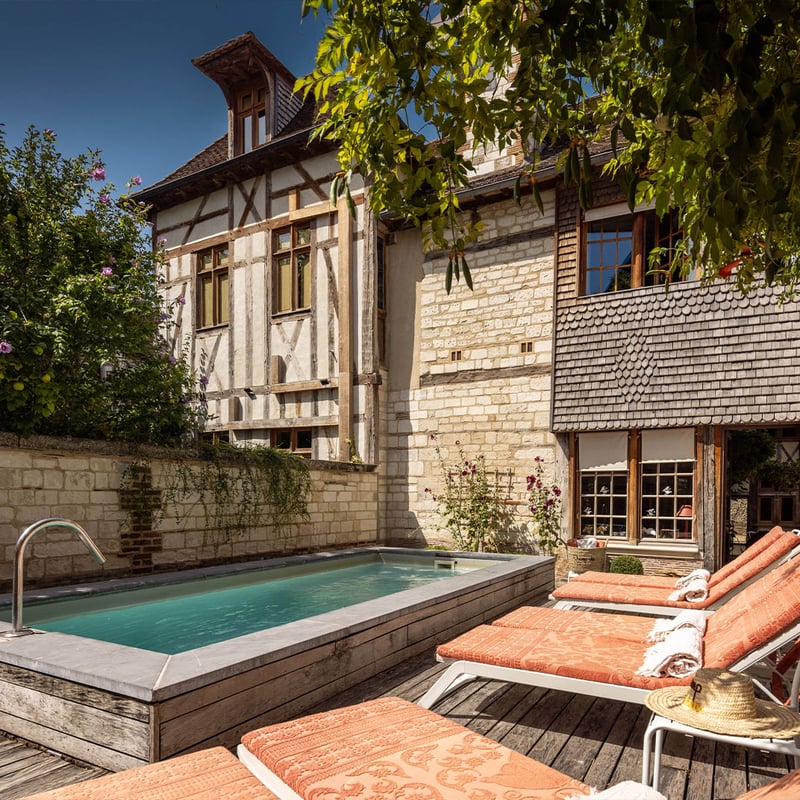
A cluster of restored 15th-century timber-framed buildings steps from Troyes' magnificent Gothic cathedral, this intimate twelve-room property preserves original stonework, ornate tilework, and antique furnishings restored by master craftsmen. Upper suites feature steeply vaulted ceilings and dormer windows overlooking an ivy-clad courtyard where breakfast appears in summer. A seasonal outdoor pool, compact spa with sauna, and proximity to Champagne wine country complete the appeal.
Where to Eat

★ Michelin
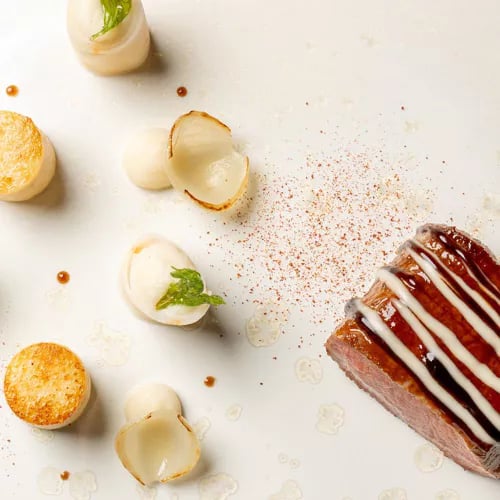
Chef Jean-Baptiste Natali brings a globe-spanning perspective to this one-Michelin-starred table, drawing on stints in Marrakesh, London and New York to craft contemporary French cooking rooted in Champenois terroir with Italian inflections from his maternal line. The 17th-century stone house opens onto grounds that merge with rolling countryside, while inside, a lunch menu offers an accessible gateway to dishes built on venison, turbot, langoustine and sweetbreads.

★ Michelin
Inside Châlons-en-Champagne's historic Hôtel d'Angleterre, chef Jérôme Feck earns a Michelin star with modern cuisine steeped in regional tradition. His training as a pastry chef across Langres, Épernay, and Reims informs an exacting approach to sauces—intense, precisely balanced, lifted by subtle acidity or smoke. For those seeking lighter fare, the adjacent bistro Les Temps Changent delivers honest regional cooking.

Michelin Selected· Green Star ●
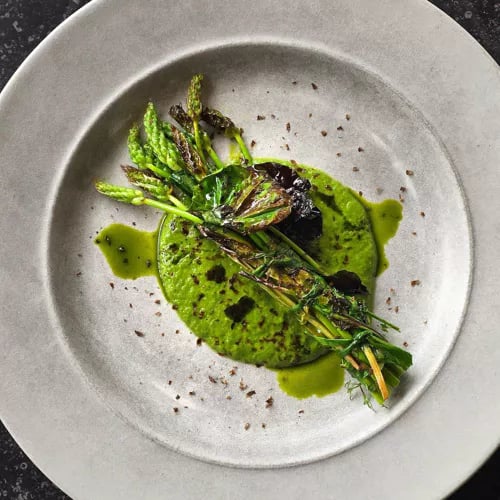
A former railway warehouse near the celebrated Les Riceys vineyards now houses this Michelin Green Star restaurant, where greenhouses and an organic garden supply the kitchen daily. Partnerships with local winegrowers anchor dishes like parsnip tartlet with smoked stracciatella and pollack in pil-pil sauce. The bucolic terrace offers an ideal setting for sun-drenched lunches amid Champagne's viticultural heartland.

Michelin Selected
Chef Yann Caputo tends a two-hectare potager in Marcilly-le-Hayer, harvesting heirloom tomatoes, Thai eggplants, and fresh herbs that dictate each day's menu at this garden-driven bistro. His Breton roots surface in fish dishes—Brittany langoustines seared with peanut and satay, turbot lifted by hazelnut sabayon and lemon caviar. Sommelier Henri Leclère's organic and natural wine list completes an intimate, seasonally attuned experience.

Michelin Selected
A 19th-century mansion on the banks of the Cordé provides the elegant backdrop for chef Jean-Paul Braga's seasonal cooking. Two dining rooms look out over a leafy garden and the water beyond, setting the scene for dishes that balance French nostalgia—braised sweetbreads with morels, Rossini tournedos—with subtle Portuguese accents from the chef's heritage. The Découverte menu offers exceptional value.

Bib Gourmand
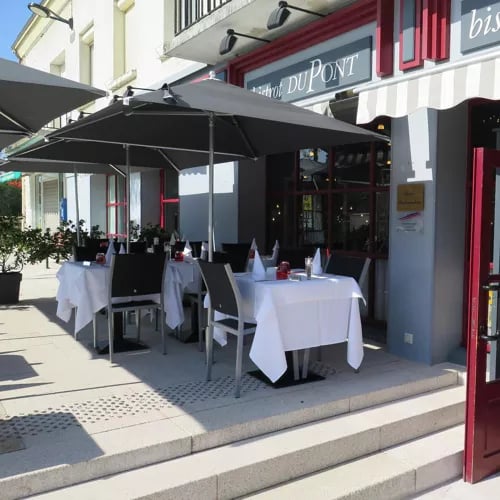
A Bib Gourmand address on the banks of the Seine, Bistrot DuPont delivers honest French cooking with genuine warmth. The menu stays loyal to tradition—veal kidneys in mustard sauce, coq au vin, frogs' legs sparked with persillade—but the real draw is the andouillette, a Troyes specialty prepared here with particular care. Lively, unpretentious, and satisfying.

Michelin Selected
Beside the handsome Collégiale Notre-Dame-en-Vaux, this smart dining room dressed with designer touches delivers modern cuisine through both à la carte and tasting formats. The kitchen's slow-cooked lamb knuckle—served over creamy polenta with tajine-spiced vegetables and balsamic jus—demonstrates precise technique and confident seasoning. Attentive service and an elegant atmosphere suit business lunches and celebratory dinners alike.

Michelin Selected
A handsome half-timbered house on the road to Lac d'Orient, Au Vieux Pressoir channels the rustic architecture of Champagne Humide into a setting for accomplished French cooking. The kitchen honors regional tradition through pâté en croûte royale, snails braised in Champagne, and beef chuck finished with a Pinot lees sauce alongside buttery Ratte potatoes. A baba au raisin provides the classic finale, complemented by a Champagne-focused wine list.

Michelin Selected
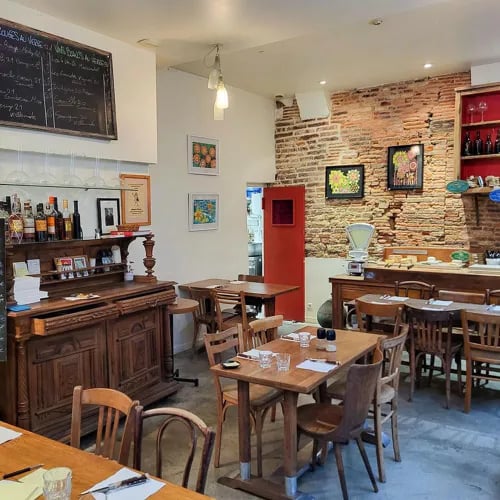
A quarter-century of natural wine expertise defines this bistrot-caviste on Place Jean-Jaurès, where diners select bottles directly from the cellar before matching them with a daily-changing chalkboard menu. The Italian-inflected kitchen delivers Thierry's andouillette 5A, Bordier cheeses, and a signature verbena baba—simple plates built on impeccable sourcing. Expect an unhurried pace and genuine warmth from the small team.

Michelin Selected
A former art gallery steps from the Saint-Nicolas church now hosts Bruno Caironi's family-run trattoria, where Italian tradition meets French terroir. The kitchen delivers authentic transalpine cooking—duck terrine with orange, daily risottos, spring lamb over creamy polenta—served in a luminous dining room or the cobblestone courtyard. An adjoining delicatessen stocks premium Italian provisions for the journey home.
Frequently Asked Questions
What is the best area to stay in Troyes?
+
The historic centre within the bouchon de champagne puts you steps from the cathedral, timber-framed streets, and the concentration of restaurants around Saint-Jean-au-Marché. This pedestrian-friendly quarter means you can explore on foot and return easily for aperitifs.
What local dishes should I try in Troyes?
+
Andouillette de Troyes — a robust tripe sausage with AOC protection — divides opinion but defines the city. Chaource, the soft-ripened cheese from nearby villages, pairs beautifully with local Champagne. Look for pruneau de Troyes, candied prunes stuffed with marzipan, as a regional sweet.
How close is Troyes to the Champagne vineyards?
+
The Côte des Bar, the southernmost Champagne appellation, begins just twenty minutes south. Small-grower producers around Les Riceys and Essoyes (Renoir's village) offer tastings without the coach-tour crowds of Reims or Épernay.
Nearby Destinations
Explore France

Troyes
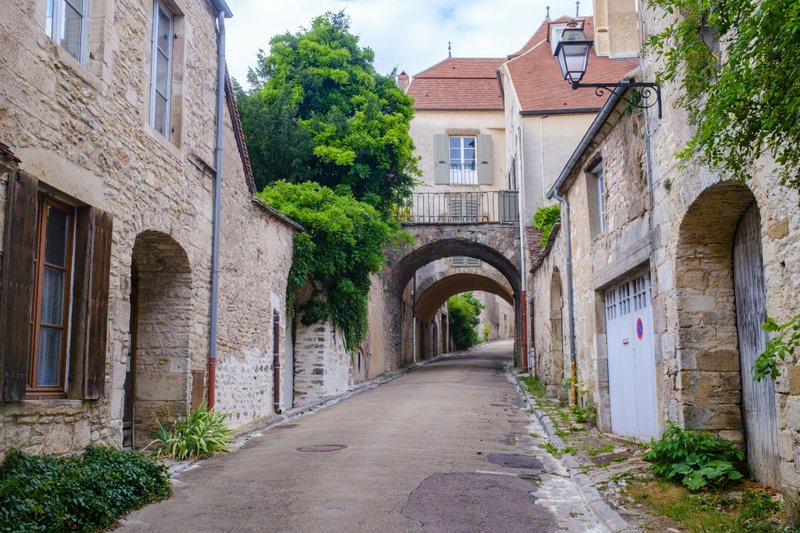
The bouchon de champagne — that distinctive cork-shaped old town — remains one of France's most intact medieval urban landscapes. Wander the ruelle des Chats, where upper floors nearly touch across the alley, or trace the canals that once powered the city's textile mills. The Cathedral of Saints Peter and Paul anchors the spiritual quarter, its Gothic nave filtering Champagne sunlight through Renaissance stained glass.
Troyes earned its fortune in the Middle Ages as a Champagne fair town, and that merchant prosperity built the half-timbered houses lining rue Émile Zola and place Alexandre Israël. Today, the factory outlet stores draw weekend crowds, but the old town rewards those who slip into quieter courtyards — the Hôtel de Vauluisant, the Cour du Mortier d'Or. Come evening, the restaurant scene clusters around Saint-Jean-au-Marché, where regional andouillette and Chaource cheese anchor menus alongside more contemporary cooking.