A 19th-century coaching inn where Napoleon once rested now unfolds as a luminous contemporary structure carved from Euville stone, its 47 rooms opening onto UNESCO-listed vineyards and the distant bell tower guarding Dom Pérignon's tomb. Chef Christophe Raoux, a Meilleur Ouvrier de France, commands the Michelin-starred Le Royal beneath gold-patinated ceilings, while the 1,500 m² spa offers dual pools and a champagne concierge unlocking visits to otherwise-closed houses.
Explore Epernay
Where to Stay
A traditional country house surveying Champagne's sloping vineyards, this 40-room retreat sits ten minutes from Épernay's legendary cellars. The gastronomic restaurant Alcôve frames the landscape through a dramatic bow window, serving terroir-driven cuisine. France's first spa featuring Maison Caulières treatments—crafted from botanical oils since 1714—complements a heated indoor pool, hammam, and rose-filled gardens where picnics among the vines await.
A family-built boutique hotel occupying two historic buildings—one a former presbytery—Margaux brings 27 rooms dressed in warm oak and soft lighting to central Épernay. The rooftop terrace and garden offer quiet retreats between champagne house visits, while a compact spa and relaxed bar round out the amenities. Pet-friendly policies and genuine hospitality make it particularly suited to travelers exploring the region at their own pace.
Where to Eat
Perched on the Champagne hillsides between Reims and Épernay, this one-Michelin-starred table occupies a striking modern amphitheatre carved from pale stone. Beneath a gilded ceiling crowned by thirty-six blown-glass orbs—a nod to the region's famous bubbles—the kitchen delivers refined haute cuisine rooted in classical French tradition. Napoleon once paused at this former coaching inn; today's guests linger over seasonal menus paired with an exceptional champagne cellar.
A 19th-century stone watermill on the banks of the Surmelin, this secluded address trades on absolute tranquility—greenery the only neighbor. Inside, the mood shifts contemporary: light wood ceilings, designer seating, a pared-down aesthetic. The kitchen stays rooted in tradition, delivering bucolic French cooking that suits the pastoral setting. Guestrooms offer overnight stays of rare silence for those lingering in Champagne country.
Legendary Champagne vigneron Anselme Selosse converted his 19th-century bourgeois house into a ten-room retreat where chef Stéphane Rossillon, an alumnus of Maison Pic, presents a single daily menu of reinvented local cuisine. The charming guesthouse atmosphere extends to a generous terrace for warm-weather dining, while the exceptional wine list naturally showcases Selosse's own rare cuvées—available for cellar tastings at surprisingly accessible rates.
A French chef and Thai partner have built something unexpected on Épernay's rue Porte-Lucas: modern fusion cooking with real conviction. The tom yum talay delivers bright, aromatic heat; Dublin Bay prawns arrive wok-fired with panang curry; scallops come seared over a ginger-laced lentil salad. A red curry shellfish bisque bridges both traditions elegantly. Michelin recognition at accessible prices makes this a serious stop.
A Lyon-trained chef brings ember-cooking mastery to Champagne country at this convivial Épernay address. The menu centers on prime ingredients kissed by live flame: boned squab wrapped in puff pastry with foie gras, peppery venison, whole seabass perfumed with fennel. Summer reveals a garden terrace where the buzzy atmosphere softens into leisurely outdoor meals—ideal for those seeking regional craft over formality.
A husband-and-wife team steers this grill-focused address with quiet confidence, delivering plates where prime cuts meet inventive spice work. The cooking strikes a deliberate balance between modern technique and satisfying directness, each dish arriving with precise, appealing presentation. Carnivores exploring Épernay's dining scene will find Symbiose a compelling stop—creative enough to intrigue, grounded enough to satisfy.
Frequently Asked Questions
What makes the Avenue de Champagne historically significant?
+
The avenue was developed in the nineteenth century as the grand showpiece of the Champagne trade. Major houses built their headquarters above miles of chalk cellars — UNESCO-listed since 2015 — where the constant 10-12°C temperature provides ideal conditions for secondary fermentation and aging.
When is the best time to visit Épernay's vineyards?
+
Harvest in September and early October brings intense activity to the slopes, though visits to estates are limited. Spring offers flowering vines and fewer crowds, while the Habits de Lumière festival in December illuminates the Avenue de Champagne with projections and tastings.
How does Épernay differ from Reims for a Champagne visit?
+
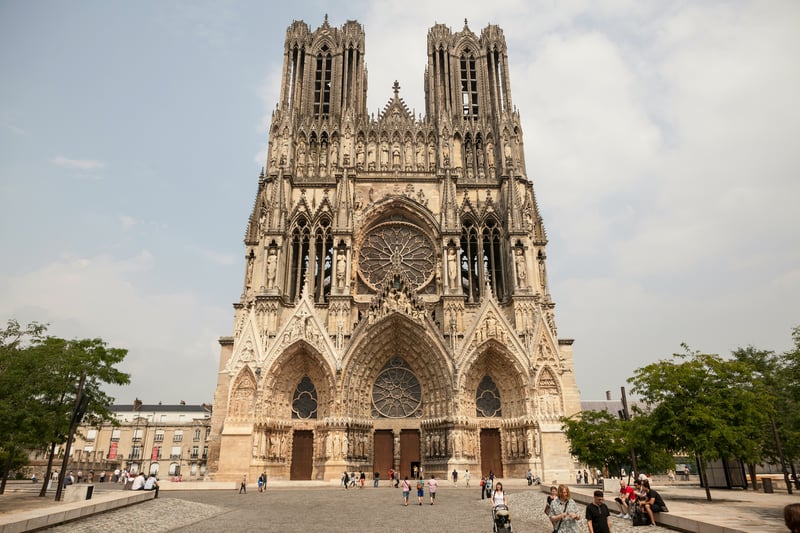
Épernay is smaller and more concentrated around its avenue, making cellar visits walkable. Reims offers Gothic architecture and a larger city atmosphere, while Épernay provides closer access to the Côte des Blancs villages where grower Champagnes dominate production.
Nearby Destinations
Explore FranceThe Avenue de Champagne runs through Épernay like a seam of gold, its chalky cellars holding millions of bottles beneath elegant nineteenth-century façades. Moët & Chandon, Perrier-Jouët, and Pol Roger have their headquarters here, their names carved into limestone gateways. The town sits at the junction of the Marne valley and the Côte des Blancs, surrounded by Chardonnay slopes that climb toward villages like Cramant and Avize.
Beyond the famous avenue, the old town unfolds around Place Hugues Plomb and its covered market, where local producers sell rillettes, Chaource cheese, and biscuits roses from Reims. The surrounding countryside offers vineyard walks and small-scale visits to grower Champagnes — the récoltants-manipulants who press their own grapes. Dining here tends toward regional brasserie cooking: coq au Champagne, andouillette, and potée champenoise, with glasses of blanc de blancs poured alongside.