An 18th-century hunting lodge once belonging to a marquis, this 28-room property bears the signature of designers Roland and Véréna Schön: cedarwood parquet, period furniture, and silk wall hangings lending each space a gallery-like refinement. The Caudalie vinotherapy spa draws on Jura's winemaking heritage, while the kitchen honors André and Jean-Paul Jeunet's legacy through reworked regional classics. A natural swimming pool completes the wooded estate.
Where to Stay
A 17th-century mansion converted into an intimate five-room chambre d'hôtes, La Closerie des Capucines preserves the atmosphere of a private residence while delivering boutique polish. Each room pays tribute to a different aspect of Jura's landscape, and the owners' deep wine-world connections open doors for guests exploring the region's celebrated vineyards. A seasonal outdoor pool, sauna, and garden complete the retreat.
The former summer retreat of the Countess of Broissia retains its aristocratic grace—original stone walls, gilt furnishings, and working fireplaces anchor six individually styled suites in nineteenth-century refinement. A spa with sauna and seasonal outdoor pool set within landscaped gardens complete this intimate Jura address. The property welcomes dogs, suiting travelers exploring the nearby vineyards with four-legged companions.
A 17th-century coaching inn perched above Poligny's vineyards, Maison Zugno pairs period stone walls with boldly contemporary interiors across nine rooms. The standout: L'Observatoire, a cylindrical wooden suite with floor-to-ceiling curved glass framing the Monts de Vaux. Self-taught chef Quentin Defert runs a no-menu restaurant supplied by permaculture gardens. Adults-only, with panoramic sauna and seasonal pool—refined Jura escapism.
Where to Eat
A fifteenth-century mill at the edge of Les Planches houses this intimate dining room, its flagstone floors and open hearth framing views of the Cuisance waterfall through wide terrace doors. The concise menu honors Jura traditions—most memorably a ballotine of Bresse hen enriched with morels and vin jaune. A trout tartare punctuated by yuzu, mango sorbet, and passion fruit reveals the kitchen's modern inflections.
A striking composition of wood, glass, steel, and zinc rises opposite Pupillin's town hall, housing chef Vivien Sonzogni's contemporary kitchen. His pedigree—Caprice in Hong Kong, Gleneagles in Scotland—informs dishes rooted in Jura terroir: Bresse poultry glazed with vin jaune and tarragon, snails in garlic butter with foamy curd. The cellar runs deep with local vintages, essential companions to his creative, produce-driven plates.
Philippe Troussard, a sommelier honored as Best Craftsman of France, orchestrates dining at this elegant bourgeois address overlooking the River Cuisance and Arbois vineyards. His cellar of over 1,000 references shapes each meal around impeccable pairings, while the kitchen delivers polished modern cuisine. The vine-framed terrace makes this an essential stop for oenophiles exploring the Jura.
A late 18th-century coaching inn turned intimate dining destination, Maison Zugno occupies a storied building in the Jura foothills near Arbois. The chef-patron crafts modern seasonal cuisine across three small dining rooms, drawing partly from an on-site permaculture garden. Guests seeking a countryside retreat can extend their stay in one of ten rooms, with pool and spa completing the pastoral escape.
A crackling winter hearth sets the tone at this contemporary Jura inn, where the chef's twenty-six years in Marseille surface in accomplished bouillabaisse alongside regional classics like Bresse hen braised in vin jaune with morels. The wine list leans toward organic and biodynamic producers, and spacious rooms upstairs allow guests to extend the evening into an unhurried overnight stay.
At the crossroads of Bresse and Jura, this family-run table has maintained its heartfelt cooking for over three decades under the Debourgs' stewardship. The kitchen honors regional traditions—Bresse snails and poulet alongside scallops, blue lobster, and turbot—while a cellar of 800-plus bottles leans heavily into Jura vintages. A Bib Gourmand address that captures rural France at its most genuine.
On the banks of the River Cuisance, this Bib Gourmand address delivers precise modern cooking in an unfussy setting. The kitchen's signature—Planches trout stuffed with morel and oyster mushrooms, finished with vin jaune sauce—showcases both regional terroir and technical finesse. Veal medallion with tarragon jus and sweetbread-studded polenta follows suit. The lunchtime menu offers remarkable value, and service remains warmly informal throughout.
Red shutters and checked tablecloths set the scene at this village-square bistro, steps from the River Loue. The kitchen pays homage to Jura's larder with smoked trout paired with preserved leek, Petit Mercey snails, and a poultry supreme glossed in vin jaune cream. Salvaged curiosities crowd the dining room, lending convivial warmth to hearty, terroir-driven plates.
A 17th-century coaching inn facing the village church, La Table de Marc Turpin brings quiet sophistication to the Jura vineyard country. The kitchen favors organic local produce, turning out dishes with unexpected accents—pink trout meets nori seaweed in one memorable preparation. Regional wines from surrounding slopes complete the picture, best enjoyed on the terrace as afternoon light softens over Saint-Germain-lès-Arlay.
A French-Japanese couple runs this quiet culinary outpost in Mouchard, where Jura terroir meets Tokyo technique. The kitchen sends out trout cured with kombu seaweed, Bresse chicken shaped into tofu-shiitake patties with ginger, and celeriac purée sharpened with wasabi—each plate a precise dialogue between two traditions. Natural wines, organized by grape variety, complete the experience in an unadorned dining room.
What to Do
Caudalie's vinotherapy concept takes root at Château de Germigney, where grape-derived treatments draw on ancestral winemaking traditions. The Vigneron massage recreates the gestures of harvest, while grape marc baths deliver restorative warmth. A salt-walled sauna, sensory pool, hammam, and outdoor jacuzzi complete the facilities—each element a considered tribute to the Jura terroir surrounding this spa.
Frequently Asked Questions
What is vin jaune and where can I taste it in Arbois?
+
Vin jaune is an oxidative wine aged under a veil of yeast for six years and three months, producing intense nutty, curry-like flavors unique to the Jura. In Arbois, you can taste it directly at producer caves along Grande Rue and Rue de Courcelles, where winemakers often pour from the distinctive 62cl clavelin bottles that have held this wine since the 18th century.
How do I explore the Jura wine villages without a car?
+
The Jura vineyard villages are compact enough for walking between Arbois and Pupillin (about 3km through vines), and local taxi services connect to Poligny and Château-Chalon. Several domaines also offer guided vineyard walks. The TER train from Besançon or Dijon reaches Arbois station directly, making the region accessible for those preferring rail travel.
When is the best season to visit the Jura vineyards?
+
September through mid-October brings harvest energy, open cellar doors, and golden light across the slopes. Late spring offers wildflowers and the release of new vintages. Winter visitors find quiet caves, hearty regional cooking, and the chance to see vin jaune production up close — though some smaller producers close in January and February.
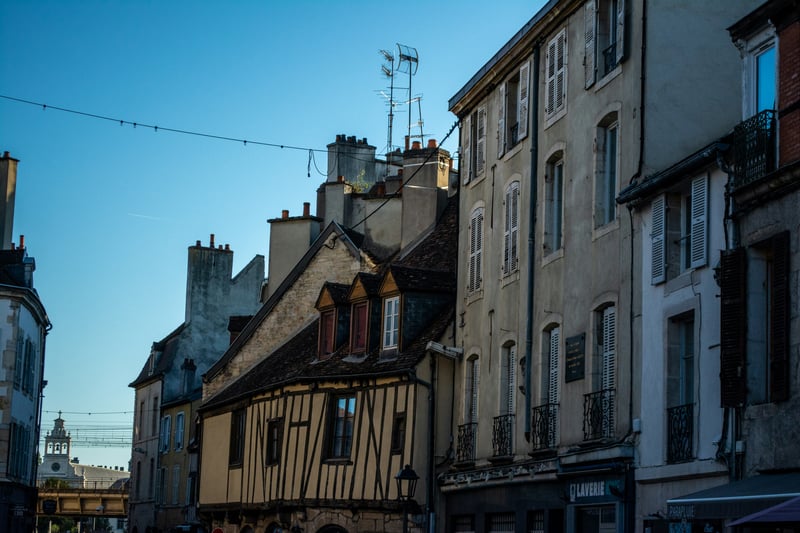
The Jura wine country remains France's best-kept secret among oenophiles — a landscape of steep slopes where Savagnin and Poulsard grapes produce wines found nowhere else on earth. Arbois, the region's capital of wine, clusters around its central Place de la Liberté, where ochre-stone buildings house caves for tasting the famous vin jaune. Louis Pasteur conducted his fermentation experiments here, and the town still moves to the rhythm of harvest and cellar work.
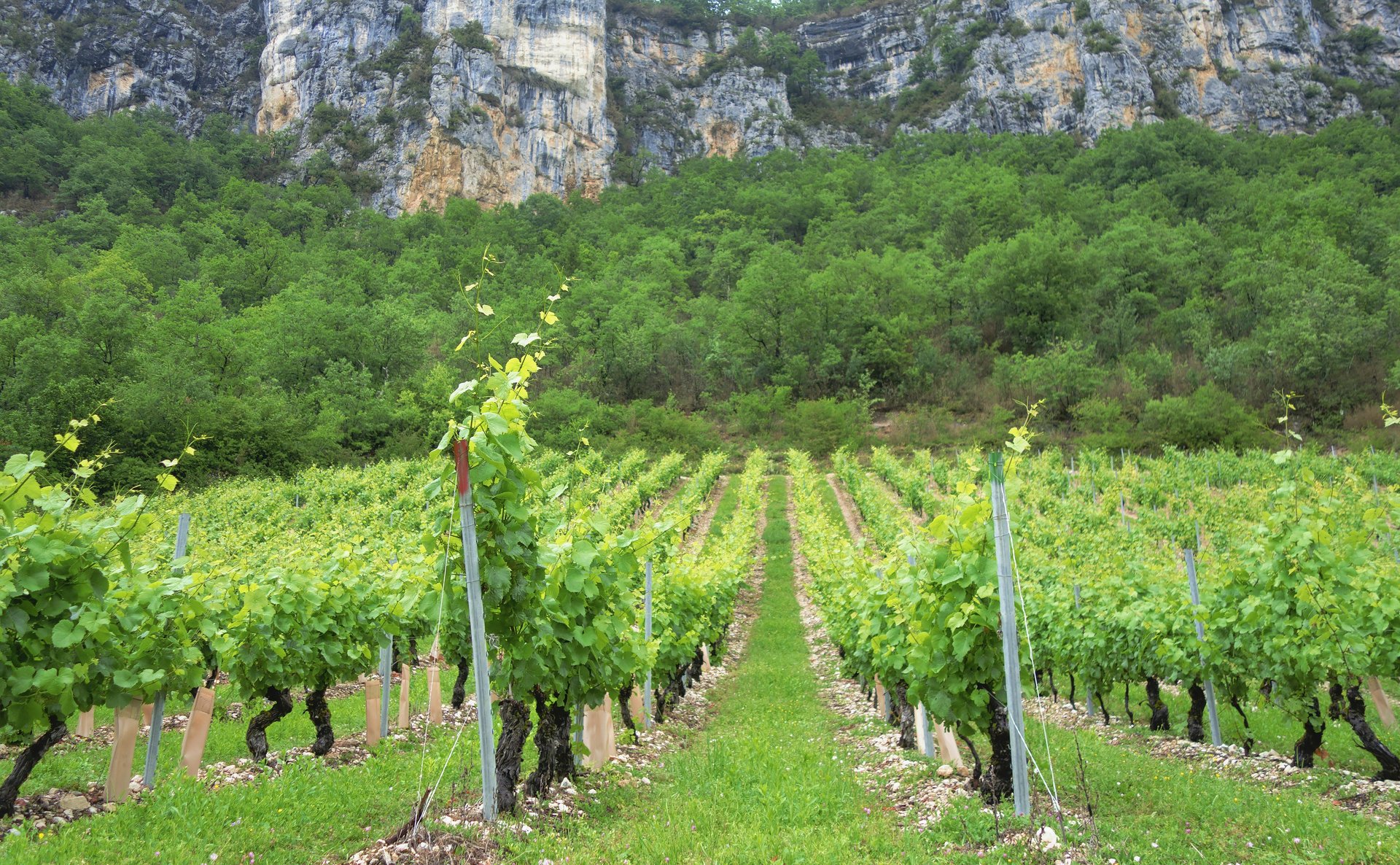
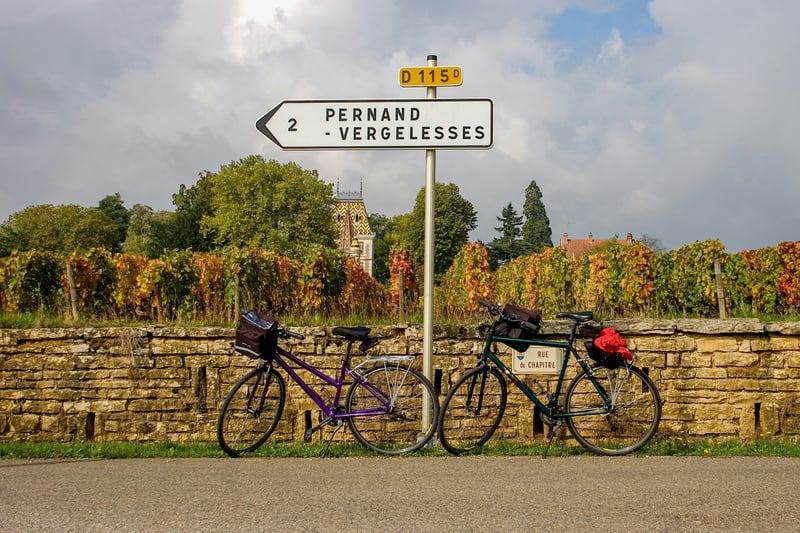
Beyond Arbois, the Route des Vins winds through Pupillin, Poligny, and Château-Chalon — each village perched above vineyards that cascade down limestone escarpments. Accommodation here tends toward converted winegrower houses and family-run domaines where breakfast includes local Comté and walnut bread. The dining scene celebrates terroir with an almost religious devotion: coq au vin jaune, morilles gathered from nearby forests, and the pungent, extraordinary Comté aged in the fort des Rousses. This is slow travel at its most rewarding.