Skip to content

Dijon Travel Guide: Best Hotels, Restaurants & Experiences

Boutique hotels, palace stays, gastronomic restaurants, and Burgundy wine heritage.

Explore Dijon

Hotels (3)
Restaurants (10)

Where to Stay

Verified
$$$$ · Verified

This 1880s Belle Époque landmark pairs historic grandeur with Art Deco-inflected modern interiors across 93 rooms. Les Jardins restaurant showcases an antique glass wall, while the spa occupies atmospheric vaulted cellars with sauna facilities. A garden provides quiet refuge steps from place Darcy. The aesthetic tension between period façade and contemporary design appeals to travelers seeking polished luxury rooted in architectural heritage.

2. Chapeau Rouge par William Frachot

$$$$

The two-Michelin-starred William Frachot restaurant anchors this 28-room property, delivering Burgundy-focused menus that make it a natural base for Route des Grands Crus exploration. Rooms skew compact but lean into contemporary design—bold furniture, clean lines, natural light. Below, a vaulted stone cellar houses the spa, where hammam, sauna, and massage showers offer post-tasting recovery in atmospheric medieval architecture.

3. Mama Shelter Dijon

$$$$

A 1960s Brutalist office block opposite Saint-Bénigne Cathedral now houses this playful Mama Shelter outpost, designed by Benjamin El Doghaïli with Eighties furniture and décor nodding to Burgundy—including a collaboration with Edmond Fallot on house-brand mustard. The 120 rooms favour comfort over austerity; downstairs, a multi-purpose restaurant-terrace-bar runs from breakfast through late-night cocktails. It's an energetic, irreverent counterpoint to Dijon's medieval gravity.

Where to Eat

1. William Frachot

$$$$ · ★★ Michelin

William Frachot runs this two-Michelin-starred table inside a 19th-century coaching inn on rue Michelet, cooking stripped-back modern plates that marry Burgundian staples with techniques honed in England and Quebec. Freshwater fish—perch, pike, zander, brook trout—anchor the menu alongside a reimagined eggs meurette, served in a dining room clad in pale wood and mustard-yellow Shark chairs, every detail echoing the region's viticultural roots.

2. CIBO

$$$$ · ★ Michelin

Chef Angelo Ferrigno's one-Michelin-starred table occupies a skylit contemporary space within a 17th-century Burgundy stone building, marrying architectural contrast with culinary rigour. Every ingredient arrives from within 200 kilometres, shaping a menu of Scandinavian-inflected modern plates—pickled beetroot with smoked catfish, butter-basted carp rib finished like steak—that privilege raw materials and art-directed presentation. The sommelier's guidance and brisk reservations underscore CIBO's standing among Dijon's gastronomic addresses.

3. Origine

$$$$ · ★ Michelin

Tomofumi Uchimura's Michelin-starred table marries French precision with subtle Japanese inflections in a redesigned coaching inn. The kitchen champions Burgundian terroir—organic Dijon vegetables, Charolais beef, Auxonne saffron—through dishes like Atlantic cod in miso crust and escargots with coconut milk. A dedicated vegetarian tasting menu runs alongside seasonal options, while Seiko Uchimura orchestrates attentive service and a well-stocked Burgundy cellar. Even children receive their own tasting progression, making refinement accessible across generations.

4. L'Aspérule

$$$$ · ★ Michelin

Chef Keigo Kimura trained in France's finest kitchens before opening this Michelin-starred table, where his Japanese precision refines classical technique into minimalist, deeply layered plates. The mystery tasting menu showcases Challans duck, Wagyu beef, and game—notably a wild boar pie with Sarladaise potatoes and port jus—cooked over binchotan charcoal. Below, an exceptional wine cellar rewards connoisseurs exploring Burgundy's capital.

5. Loiseau des Ducs

$$$$ · ★ Michelin

Chef Iulian Fistos, once Patrick Bertron's right hand in Saulieu, leads the kitchen at this one-starred Michelin address inside the 16th-century Hôtel de Talmay, a protected monument near the Palais des Ducs. His menu honors Bernard Loiseau's legacy through a contemporary lens: Dijon snails with parsley sauce, garlic purée, and celery tempura; Charolais beef fillet paired with carrot ravioli, bone marrow, and hay jus. Burgundian gastronomy, refined and rooted.

6. L'Un des Sens

$$$$ · Michelin Selected

Steps from the antique dealers' district, this modern French table draws on produce from the chef's own garden to craft dishes of rare clarity—rack of Ségala veal paired with green pea ravioles, pecorino, and spring onions. A multi-course surprise menu anchors the evening service; lunch offers simpler, equally considered fare. In warm weather, the courtyard patio becomes the dining room of choice.

7. La Maison des Cariatides

$$$$ · Michelin Selected

Vincent and Marie-Cécile Gomis helm this refined table inside a 17th-century building whose caryatid-adorned façade anchors the Quartier des Antiquaires. Contemporary technique meets precise, on-point seasoning across a menu that excels with seafood, each dish lifted by subtle sweet spices and bright citrus notes. Perfectly controlled temperatures and top-quality ingredients define the natural, unfussy approach, while a rear terrace offers open-air dining in warmer months.

8. La Table des Climats

$$$$ · Michelin Selected

La Table des Climats occupies a striking stone-and-timber hall inside the Cité Internationale de la Gastronomie et du Vin, its coffered ceiling and exposed stonework framing a modern Burgundian kitchen built on terroir. The Michelin Plate-recognised menu champions regional tradition—pôchouse of freshwater fish enriched with aïoli, ham and Chablis; Dombes duck paired with apricot and hyssop—and takes food-and-wine pairing seriously, with guidance drawn from the adjoining Chapelle des Climats.

9. Les Jardins by La Cloche

$$$$ · Michelin Selected

Les Jardins by La Cloche serves modern Burgundian cuisine laced with subtle Asian inflections, earning a Michelin Plate for its inventive yet grounded approach. The contemporary dining room extends into a curved veranda overlooking the hotel garden, creating an unexpectedly tranquil setting in central Dijon. Desserts return to classical techniques, showcasing precise craftsmanship that mirrors the kitchen's broader philosophy of honoring terroir while embracing global inspiration.

10. Sublime

$$$$ · Michelin Selected

Steps from Dijon's covered market, Sicilian chef Giovanni Spataro crafts modern cuisine that honors both his Burgundian surroundings and Mediterranean roots. Pork belly appears alongside local caviar and robust mustard jus, while butternut ravioli del plin arrive laced with gingerbread and gorgonzola. Beccafico-style gilt-head bream showcases multiple onion textures in a fish-bone reduction. The weekday lunch menu delivers exceptional value for this caliber of cooking.

Frequently Asked Questions

Which neighborhoods in Dijon are best for walking and sightseeing?

+

The secteur sauvegardé — the protected historic district — stretches from Place Darcy through Rue de la Liberté to the Palais des Ducs. This pedestrian-friendly zone concentrates the city's Gothic churches, Renaissance courtyards, and independent boutiques within a fifteen-minute stroll.

When is the best time to visit Dijon for food and wine experiences?

+

September and October coincide with the grape harvest across the Côte de Nuits and Côte de Beaune, bringing energy to local wine bars and seasonal menus featuring game and wild mushrooms. The Foire Internationale et Gastronomique in November is one of France's oldest food fairs, running since 1921.

How accessible are the Burgundy vineyards from central Dijon?

+

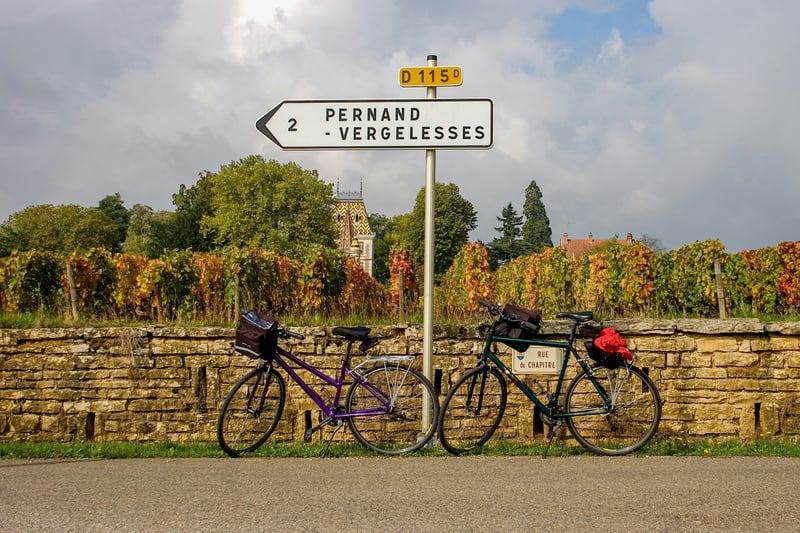
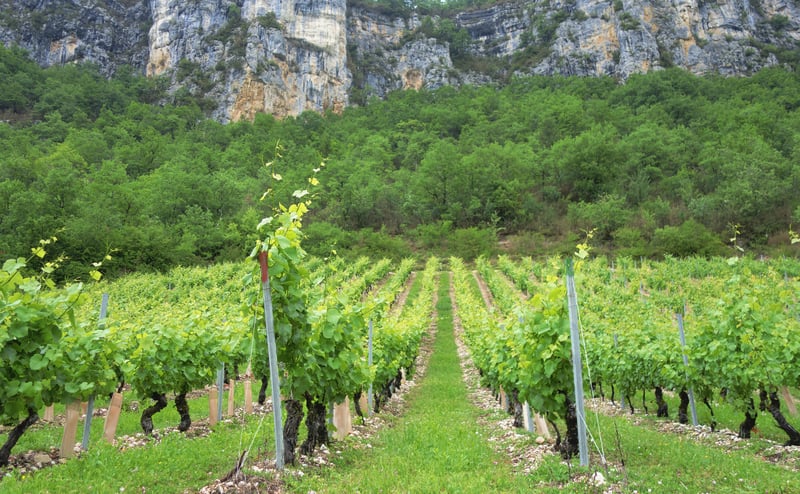
The Route des Grands Crus begins just south of the city at Marsannay-la-Côte, a twenty-minute drive or cycle from central Dijon. Villages like Gevrey-Chambertin, Vougeot, and Nuits-Saint-Georges lie within thirty minutes, making day trips to prestigious domaines straightforward.

Dijon

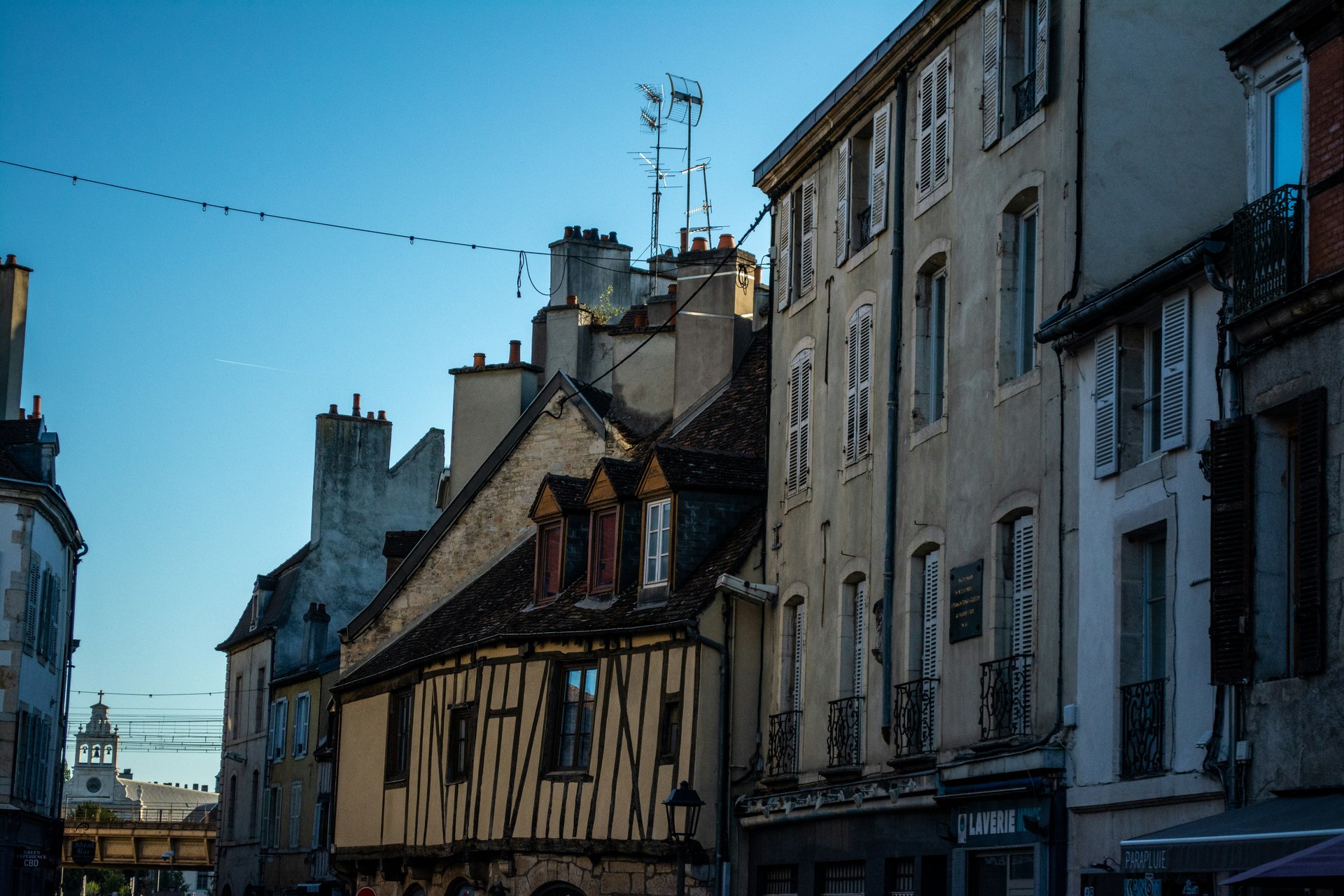
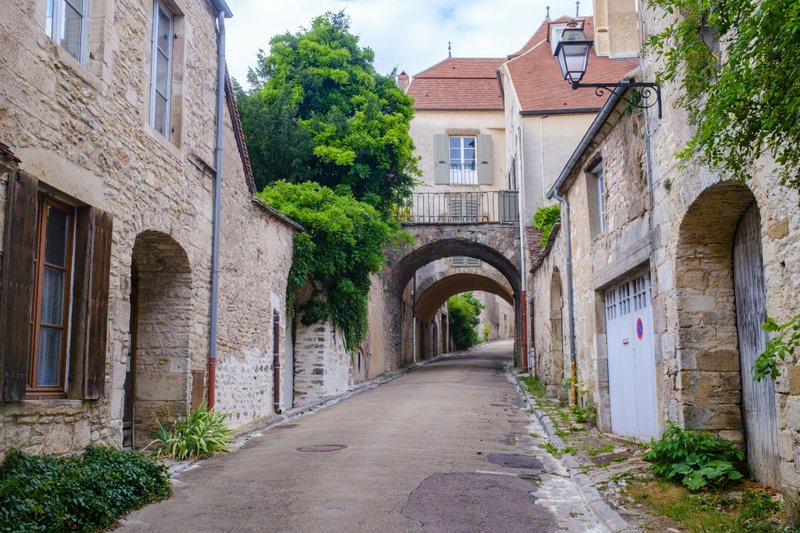
The capital of the Dukes of Burgundy unfolds along pedestrianized streets lined with fifteenth-century hôtels particuliers, their glazed-tile roofs a signature of the region. The historic centre, compact enough to explore on foot, radiates from the Place de la Libération and the Palais des Ducs, now home to the Musée des Beaux-Arts. Beyond the half-timbered facades of Rue de la Chouette, the Quartier Antiquaires draws collectors, while the covered market Les Halles — an iron-and-glass structure attributed to Gustave Eiffel's firm — anchors the city's culinary identity every Tuesday, Friday, and Saturday morning.

Dijon's dining scene draws from the surrounding Côte-d'Or vineyards and a larder that includes Époisses cheese, blackcurrant liqueur, and the namesake mustard still ground at Moutarderie Fallot. The best restaurants range from Michelin-starred tables to historic brasseries serving bœuf bourguignon in wood-panelled rooms unchanged for decades. When weather permits, outdoor restaurants spill onto the limestone squares, offering a front-row seat to the evening passeggiata along Rue des Forges.