An 80-hectare working estate along Burgundy's celebrated wine route, Domaine de Rymska raises livestock and cultivates gardens that supply La Table de Rymska, its restaurant turning farm-to-table into genuine culinary artistry. The 14 rooms occupy a meticulously restored domaine where contemporary interiors honor centuries-old architecture. Pet-friendly and surrounded by orchards, this intimate property rewards travelers seeking agrarian luxury near Beaune.
Where to Stay
Where to Eat
Chef Jérémie Muller's kitchen draws from an 80-hectare working estate where Wagyu cattle graze, hens roam, and gardens yield seasonal produce. The cooking marries Burgundian foundations with unexpected accents—sea bream ceviche brightened by coconut and lime, scallops paired with mushroom gyoza. Guests dine beneath beamed ceilings beside a crackling stone hearth, with an extraordinary wine list celebrating the surrounding appellations. Through the windows, thoroughbreds train in distant paddocks.
Chef Fabien's modern cuisine arrives with creative flair and well-judged spice accents, built on impeccable seasonal ingredients. The regularly rotating evening menu rewards repeat visits, while the lunchtime offering delivers remarkable value. His partner Émilie runs a warm, attentive dining room. A Chalon address favored by locals who appreciate confident cooking without pretense.
A glass-walled wine cellar anchors the contemporary dining room at La Garenne, where views extend across manicured grounds and a sun-dappled terrace. The kitchen delivers polished modern cooking—venison and foie gras pâté en croûte arrives with pickled vegetables, while lobster-stuffed veal tournedos share the plate with conchiglie and wild mushrooms. The adjacent hotel offers a pool and spa for those extending the stay.
Perched on Île St Laurent, Le Bistrot delivers a compelling study in contrasts: accessible midday menus built on precision—think warm mushroom mousse crowned with vin jaune and Mont d'Or—while evenings shift toward refined indulgence with foie gras, turbot, and lobster. The kitchen garden supplies produce at peak freshness, grounding modern technique in seasonality. A Michelin Plate holder with genuine substance.
Chef Georges Blanc's brasserie commands a prime position on the Saône riverbank, its veranda framing views of Mâcon and the medieval bridge. The menu honors Burgundian tradition with frog's legs in garlic-parsley butter and osso bucco served over saffron-laced polenta, while Mediterranean influences bring lighter notes. A recently renovated dining room maintains the institution's convivial spirit.
On Île St-Laurent's lively restaurant row, a husband-and-wife team delivers modern cuisine with theatrical flair beneath high coffered ceilings and exposed stone. Laurent commands the savoury kitchen while Nadine crafts astonishing trompe-l'œil desserts—her chocolate Montecristo cigar a signature finale. Locals guard their reservations jealously; wise visitors book well ahead to join them.
What to Do
Thirty kilometres from medieval Beaune, this intimate spa at Domaine de Rymska wraps visitors in wood and stone warmth. Treatments draw on French brands Equatoria and Vinésime, harnessing Burgundian Pinot Noir's polyphenol richness for wine-inspired therapies. Solo sessions or duo rituals unfold by appointment, complemented by a full wellness circuit—hammam, sauna, whirlpool, and sensory shower—designed for unhurried restoration amid the Côte Chalonnaise countryside.
Frequently Asked Questions
Which Côte Chalonnaise villages are best for wine-focused stays?
+
Mercurey and Givry offer the highest concentration of domaines accepting visitors, with Rully particularly known for its crémant producers. Each village is compact enough to explore on foot between tastings, and most accommodations can arrange introductions to vignerons who rarely advertise.
What is the best way to explore the vineyards without a car?
+
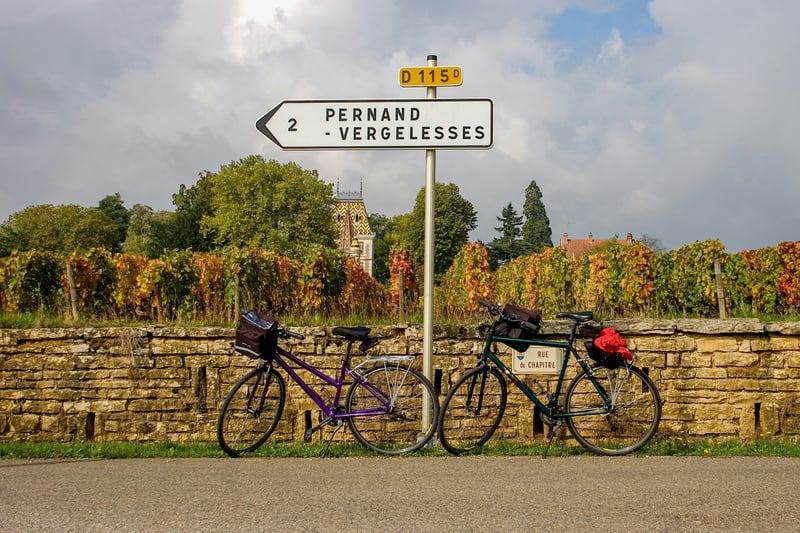
The voie verte — a converted railway line — runs through the vineyards and connects many villages by bicycle. Several estates offer collection from Chalon-sur-Saône station, and local taxi services specialize in vineyard circuits for those preferring not to cycle between appellations.
When should I visit for the wine harvest atmosphere?
+
The vendanges typically run from mid-September through early October, when villages come alive with harvest crews and the first pressings. Spring — particularly May and early June — offers flowering vines and fewer visitors, while winter brings truffle season and the Paulée celebrations that close the winemaking year.
Nearby Destinations
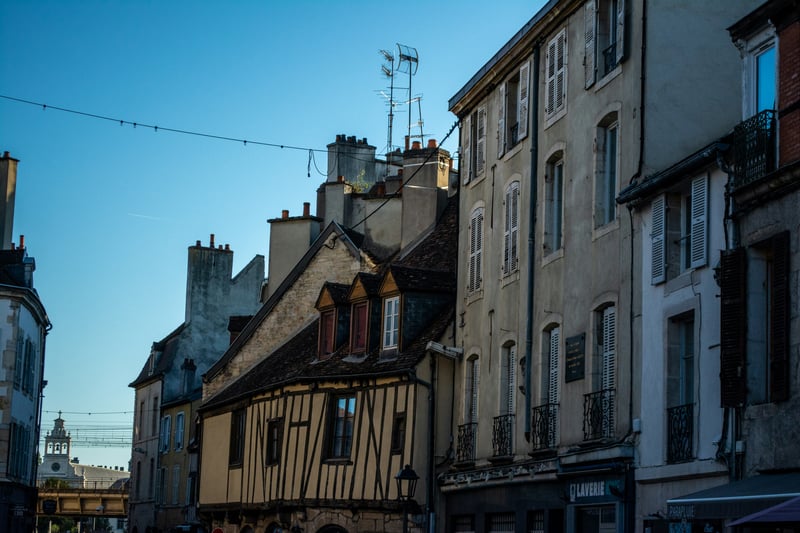
Explore FranceChalon-sur-Saône spreads along the Saône River where the Côte Chalonnaise vineyards begin their gentle southern slope. The old town retains its medieval street plan around the Cathédrale Saint-Vincent, with half-timbered houses lining Place Saint-Vincent and the narrow passages leading to the river quays. This was once Burgundy's busiest river port, and the waterfront still defines the city's orientation — morning light across the Saône, evening aperitifs facing the Île Saint-Laurent.
The Côte Chalonnaise runs from Bouzeron south through Rully, Mercurey, Givry, and Montagny — appellations that have long supplied Burgundy's most approachable wines. Winemaker families here still work small plots, and the villages retain an unhurried quality absent from the tourist-heavy Côte d'Or to the north. Accommodation tends toward converted maisons de maître and vineyard estates, where dinners feature the region's trademark œufs en meurette, jambon persillé, and époisses brought down from the hills. The gastronomy reflects Bresse to the east and the Charolais to the west — poultry and beef that have earned their own appellations.