An 1860 ivy-clad hunting lodge surrounded by 70 hectares of forested parkland, Les Hauts de Loire delivers refined Loire Valley escapism near Amboise's famous châteaux. Chef Rémy Giraud's two-Michelin-starred restaurant showcases modern regional cooking alongside an extensive local wine collection. Families find genuine welcome here—a kids' club, children's pâtisserie classes, and gated pool complement the Clarins spa and hot-air balloon excursions over the valley.
Where to Stay
A former coaching inn from 1786, this family-run property sits minutes from Château de Chenonceau, its 28 rooms spread across historic buildings where antique character meets modern refinement. Chef-proprietor Antoine Jeudi's restaurant draws from an on-site vegetable garden for seasonal French cuisine, while a heated pool and jacuzzi wellness area provide quiet retreat after exploring the Loire Valley's vineyards and châteaux.
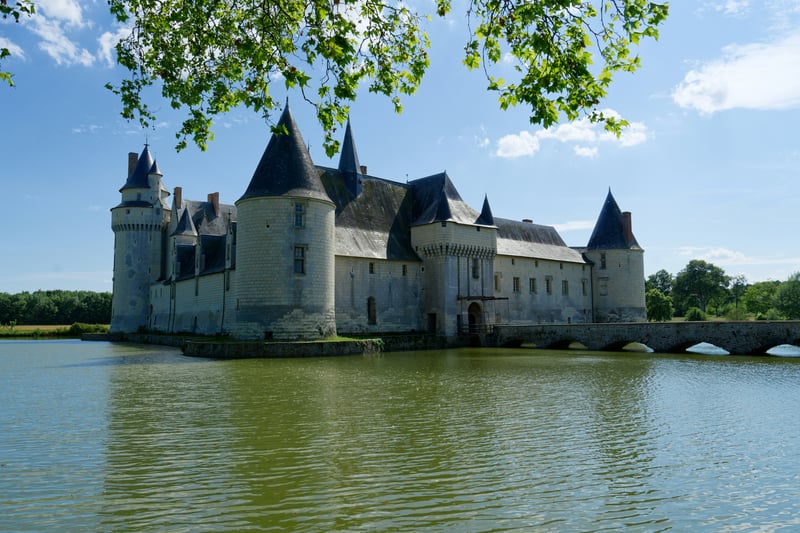
A 16th-century château presiding over 24 hectares of French gardens, woodland, and vineyards, this 17-room property divides its accommodations between the main building and the Clock Pavilion, where ground-floor quarters open onto private gardens. Toile de Jouy wallpapers and four-poster beds set a period tone, while a heated outdoor pool, tennis court, Turkish bath, and sauna provide contemporary leisure. The on-site restaurant emphasizes seasonal Loire Valley produce.
A timbered townhouse on Rue Rabelais—once a bank, then a school, later a solicitor's office—now operates as a ten-room retreat with commanding views of the Château d'Amboise and the town's terra-cotta rooftops. Several rooms open onto private terraces, while bathrooms feature both soaking tubs and hydromassage showers. A compact spa and garden swimming pool complete the offering for travelers seeking intimacy over scale.
Where to Eat
A medieval castle with twin towers presides over formal gardens along the Loire, its Renaissance-era orangery carved partly into the hillside. Chef Arnaud Philippon holds one Michelin star for modern cuisine rooted in the terroir—Vouvray wine accents razor clams, Touraine blackcurrants fill delicate soufflés. The terrace offers refined dining with views across the valley, ideal for leisurely gastronomic evenings.
A 19th-century hunting lodge along the Loire wine route, Les Hauts de Loire draws on the region's finest produce—Touraine truffles, Sologne caviar, Loire fish—alongside vegetables from its own cottage garden. The classically appointed dining room opens onto a peaceful alfresco terrace, while the surrounding 173-acre park provides a refined escape within easy reach of Blois and Chambord.
A converted 1786 coaching inn now in its fourth generation of family ownership, Auberge du Bon Laboureur pairs historic Loire Valley charm with Chef Antoine Jeudi's seasonal approach. The on-site kitchen garden supplies a dedicated vegetable-forward menu, highlighted by tomato stuffed with Touraine vegetables, fresh herb coulis, and chickpea cream. A thoughtfully assembled wine selection complements the refined, produce-driven cooking.
A former coaching inn overlooking the Loire, La Croix Blanche showcases chef Jean-François Beauduin's refined approach to regional cooking, honed in starred kitchens. The Bib Gourmand menu balances modern technique with Loire Valley tradition—beuchelle tourangelle sits alongside precisely executed seasonal dishes. The signature cognac-flambéed soufflé with vanilla ice cream demands attention, best savored on the shaded, tree-lined terrace.
Behind a burgundy façade steps from the château, two alumni of Tours hospitality school have built a Bib Gourmand address celebrating Loire Valley terroir. Roi Rose pork, seasonal asparagus, and local goat's cheese anchor a menu where roasted scallops arrive with cauliflower and vanilla oil, and a lemon tart gains complexity from dried black lemon. Contemporary bistro cooking, confidently executed.
Chef Mickaël Renard, who trained alongside Bernard Loiseau at Côte d'Or in Saulieu, helms this Bib Gourmand bistro in the Cher valley near Château de Chenonceau. The frequently rotating menu showcases inventive seasonal cooking—bonito tataki with bulgur and turmeric-spiked Caesar sauce, Cajun-glazed steak with baby potatoes. Locals pack the dining room at lunch, drawn by creative execution at accessible prices.
Exposed timber beams and weathered oak floorboards define this atmospheric Sologne outbuilding on the Hauts de Loire estate. The kitchen garden unfolds directly from the terrace, supplying produce for a menu that oscillates between honest bistro plates—aged beef, spit-roasted meats—and the chef's more inventive preparations. A Michelin Plate address suited to unhurried Loire Valley afternoons.
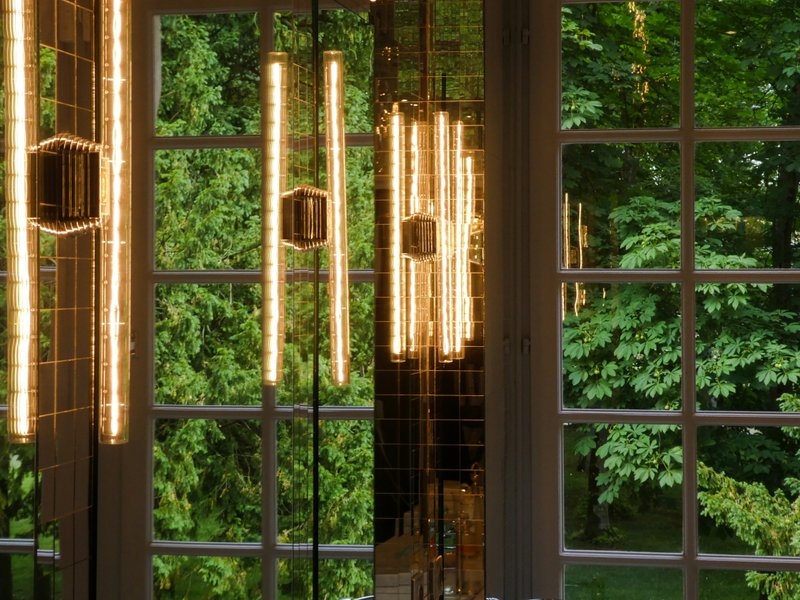
Light floods the contemporary dining room through windows framing wooded parkland at this Michelin Plate establishment near Amboise. The kitchen builds its seasonal repertoire around Loire Valley provenance—Richelieu asparagus, Mouliherne escargots, line-caught meagre—while the cellar champions regional wines. Guests seeking a longer stay find elegant rooms and a wellness area on the grounds.
A former royal hunting lodge set across ten hectares of pastoral countryside, this farmhouse restaurant retains the seclusion once prized by French monarchs. The kitchen works directly with local producers, translating short supply chains into vibrant market-driven plates—saithe loin with black rice and green beans, stone fruit pastries paired with house-made ice cream. The leafy terrace rewards a leisurely afternoon detour from the Loire châteaux circuit.
Beneath the towers of Château de Montpoupon, this convivial auberge pairs bare stone walls and weathered beams with clean contemporary lines. The kitchen draws deeply from Val de Loire terroir—local produce prepared with confident simplicity, earning a Michelin Plate distinction. A terrace offers direct views of the castle ramparts, making it an excellent detour for travelers exploring the Loire's lesser-known châteaux.
What to Do
Adjacent to Château Les Hauts de Loire, this 150-square-meter Clarins spa delivers a polished wellness retreat within a Loire Valley hunting estate. Three treatment cabins offer the brand's signature massage protocols, while sauna and hammam facilities prepare the body for deeper relaxation. The outdoor terrace extends the experience into the surrounding parkland, its white-and-carmine interiors providing an elegant counterpoint to the rustic château grounds.
Frequently Asked Questions
What is the best area to stay in Amboise for château access?
+
The old town between the château and the Loire riverbank places you within walking distance of both the royal residence and the Clos Lucé. This quarter also concentrates most restaurants and shops, making evening strolls convenient after the day-trippers have departed.
When is the quietest time to visit Amboise?
+
Late autumn and early spring see far fewer visitors than the summer peak. November through February offers crisp mornings with mist rising off the Loire, uncrowded château visits, and the local truffle season adding depth to restaurant menus.
How does Amboise connect to other Loire Valley châteaux?
+
Chenonceau lies twenty minutes east by car, Chaumont-sur-Loire fifteen minutes west. The Loire à Vélo cycling route passes directly through town, allowing car-free exploration of the valley. Villandry and Azay-le-Rideau require roughly forty-five minutes by road.
Nearby Destinations
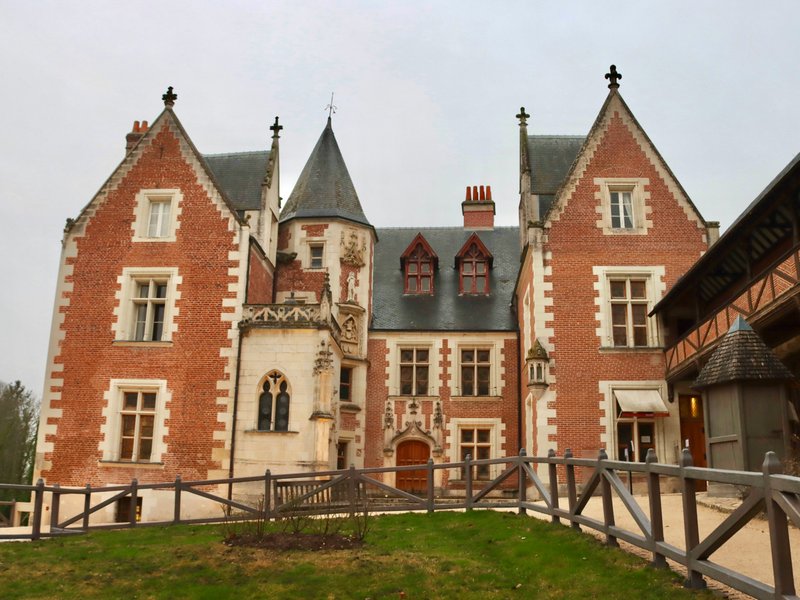
Explore FranceThe silhouette of the royal château rises above the Loire, its medieval ramparts and Renaissance loggias watching over a town that once hosted Leonardo da Vinci in his final years. The old quarter climbs steeply from the riverbank, its narrow streets lined with tuffeau limestone houses, their pale facades glowing amber at dusk. The Clos Lucé, where da Vinci spent his last three years under the patronage of François I, sits just steps from the château grounds — a reminder of the town's role as a cradle of French Renaissance culture.
The dining scene here draws on the surrounding terroir: Vouvray wines from chalky slopes east of town, goat cheeses from Sainte-Maure, game from the Sologne forests. Restaurants cluster along the quai du Général de Gaulle and in the pedestrianized streets near the château, while the weekly market on Friday and Sunday mornings fills the Place Michel Debré with producers from across Touraine. Across the river, the Île d'Or offers quieter walks beneath centuries-old plane trees, with views back toward the château's imposing mass.