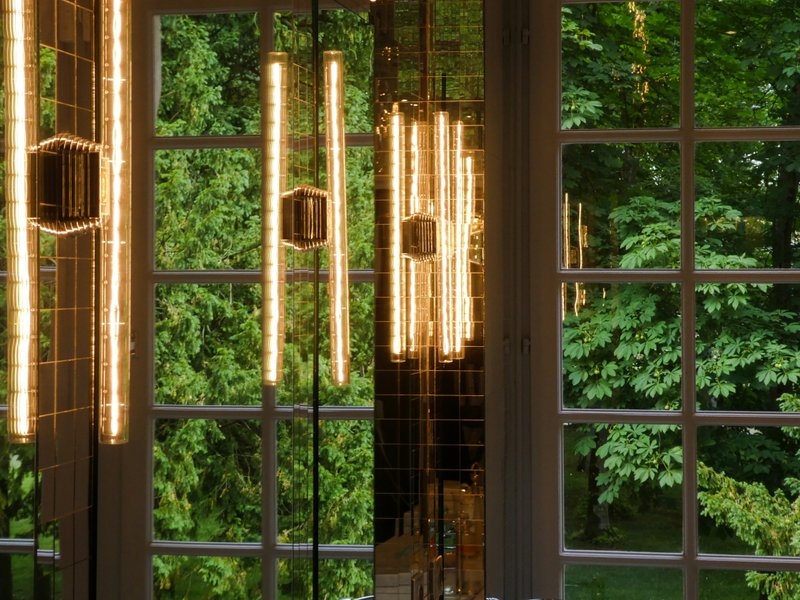
Chef Jean-Sébastien Monné brings Sarthois roots and creative vision to this Michelin-starred address where industrial architecture frames garden views. Local sourcing extends to rooftop beekeeping, supplying honey for dishes that reimagine French classics with modern precision. Duck from Canard Soulard arrives with baby carrots, orange, and bigarade sauce, while Angus tartare gains textural contrast from breaded quail's egg and puffed potato—meticulous technique applied to impeccable ingredients.
Explore Le-Mans
Corentin Courtien and Madeline Blais shape a menu that shifts with the occasion: approachable bistronomy at midday, more ambitious tasting sequences come evening. Eighty percent of ingredients arrive from regional growers, then meet spice-forward technique—bluefin tuna paired with anise hyssop oil, green beans, and lacto-fermented blackberries illustrates the precision. The dining room near Église Sainte-Jeanne-d'Arc remains intimate, service warm, and every plate reveals careful calibration of bold, contrasting flavours.
A former salt loft turned contemporary dining room, this Michelin-recognized establishment delivers creative cuisine anchored in bold, authentic flavors. The kitchen works with premium ingredients—lobster, turbot, foie gras—while the cellar showcases distinguished bottles from Rhône, Loire, and Bordeaux appellations. The team's passion for pleasing both palate and occasion makes this a compelling address for discerning diners exploring medieval Le Mans.
Frequently Asked Questions
What is the best area to stay in Le Mans for exploring the old town?
+
The Cité Plantagenêt and the streets immediately surrounding it offer the closest access to medieval sites and the cathedral. Properties within or adjacent to the old walls place you within walking distance of the historic quarter's restaurants and landmarks. The République area nearby provides a more urban setting with easier parking and proximity to the train station.
When is the best time to visit Le Mans?
+
Late spring and early autumn bring mild weather ideal for exploring the old town on foot. The third weekend of June sees the 24 Hours race, which fills every room for miles — book months ahead or avoid that period entirely. December brings a Christmas market to the cathedral square, adding seasonal atmosphere to the medieval setting.
What local dishes should visitors try in Le Mans?
+
Rillettes du Mans, a coarse pork spread with protected geographical status, appears on most traditional menus as a starter. Marmite sarthoise — a slow-cooked stew of mixed meats — represents hearty local cooking. The surrounding Sarthe vineyards produce Jasnières, a dry chenin blanc worth seeking out at wine-focused establishments.
Nearby Destinations
Explore FranceThe Cité Plantagenêt rises above the Sarthe river, its Roman walls and half-timbered houses forming one of France's most complete medieval quarters. Within these ancient streets, the Cathedral of Saint-Julien displays Gothic architecture spanning six centuries, while narrow passages open onto quiet squares where locals gather at café terraces. The old town's cobblestones have witnessed pilgrims, merchants, and now visitors drawn to the authentic atmosphere that modern development has largely bypassed.
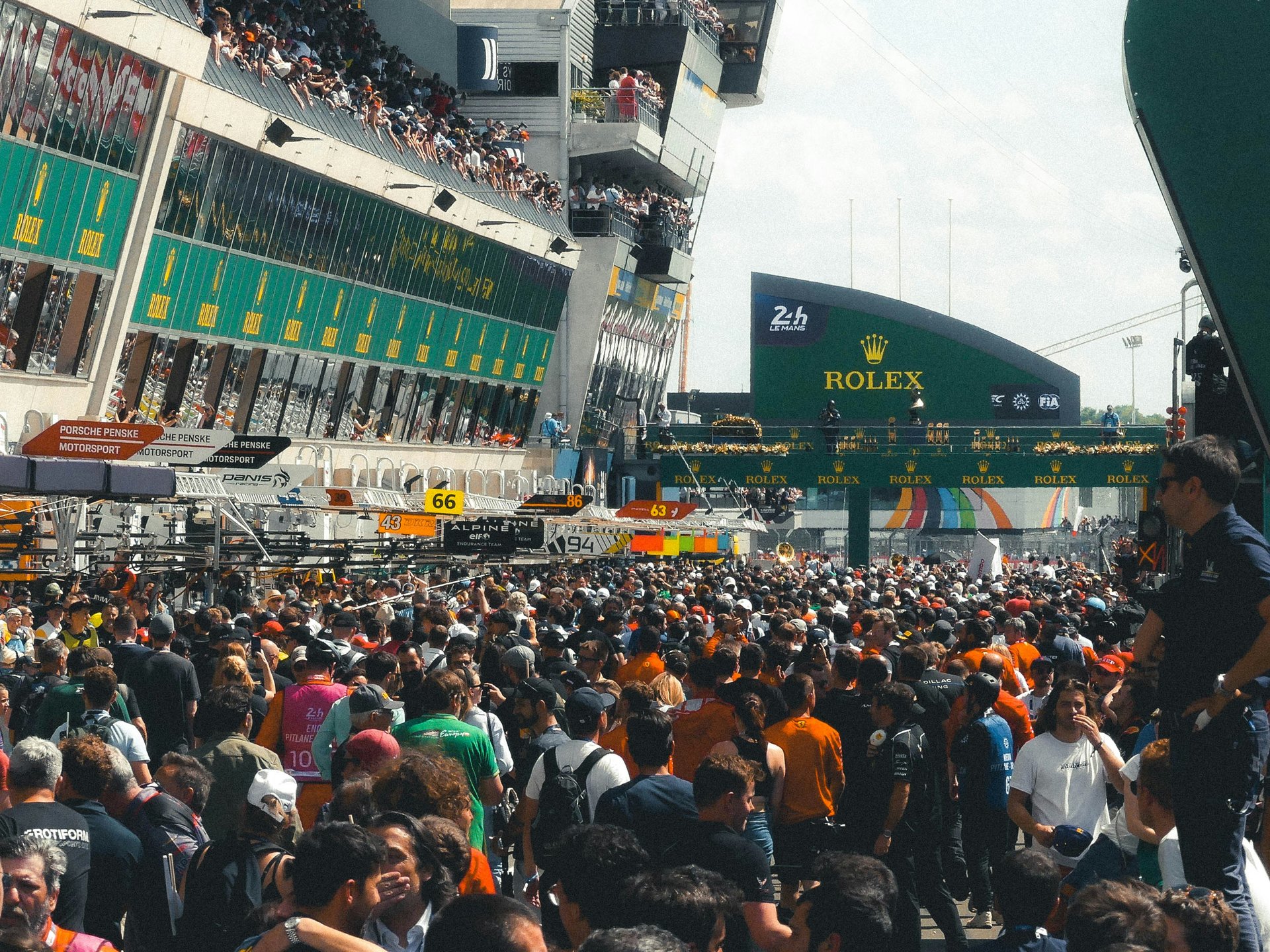
Beyond the ramparts, the city reveals its dual identity. The République district offers Belle Époque façades and established brasseries serving rillettes du Mans — the local charcuterie specialty protected by geographical indication. Each June, the streets empty as attention shifts to the Circuit de la Sarthe, where the 24 Hours endurance race transforms this quiet préfecture into a gathering point for motorsport devotees. The rest of the year, the pace returns to provincial rhythms: market mornings at Place des Jacobins, evening apéritifs along the quays, and Sunday lunches that stretch well past three o'clock.