


An 18th-century castle overlooking Maslinica's quiet harbor, this intimate property remains Šolta island's sole hotel. Seven suites marry period architecture with contemporary refinement, many commanding sea views across the marina. The restaurant delivers accomplished coastal Mediterranean cooking, while a heated outdoor pool, sauna, and traditional hammam complete the offering. Ideal for travelers seeking Dalmatian authenticity without the crowds of Split.
Brač Travel Guide: Best Hotels, Restaurants & Experiences 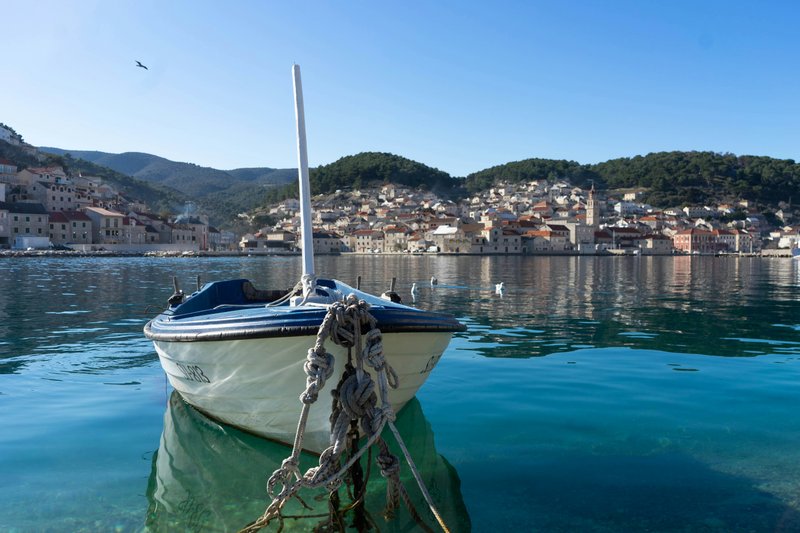
Explore Brac
Hotels (2)
Restaurants (1)
Where to Stay

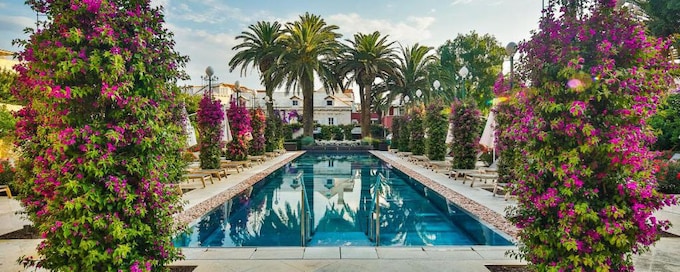
Antique stone buildings rise from an extraordinary Mediterranean garden steps from Sutivan's harbor, their 35 rooms and suites channeling the quietude of island country life. This adults-only retreat pairs a palm-fringed heated pool with a private beach set among pine forest, where a pavilion offers seaside massages. The restaurant showcases farm-fresh produce alongside house-made limoncello, capturing Brač's agrarian soul.

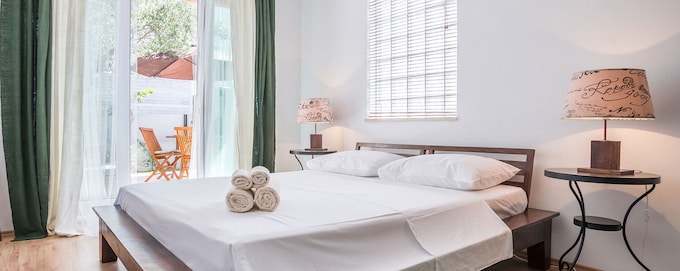
Modern self-catering apartments on Brač's southern coast place guests within easy reach of Zlatni Rat, one of Croatia's most photogenic beaches. The layout—double bedrooms paired with living areas featuring sofa beds—suits families particularly well, while Bol's car-free promenade offers safe strolling for children. Active travelers find excellent watersports and mountain biking nearby, making this an affordable base for adventure-minded visitors.
Where to Eat

Michelin Selected
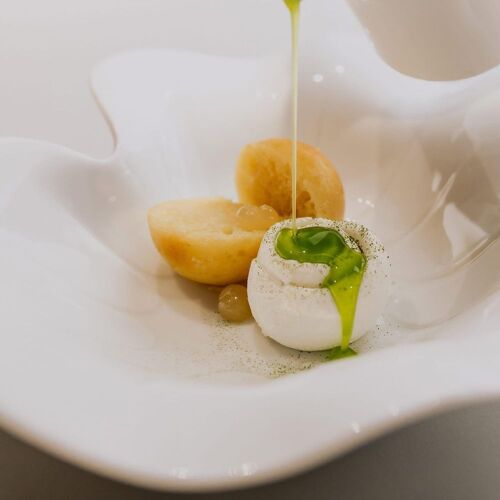
Chef-patron Dino Šeparović runs this intimate address tucked into Supetar's winding alleyways, presenting four- or six-course tasting menus rooted in Brač's culinary heritage. Adriatic fish and island lamb anchor the seasonal repertoire, with select dishes gaining depth from wood-fire cooking. The meal builds toward desserts of genuine finesse—courses that linger in memory well after the last bite.

Michelin Selected
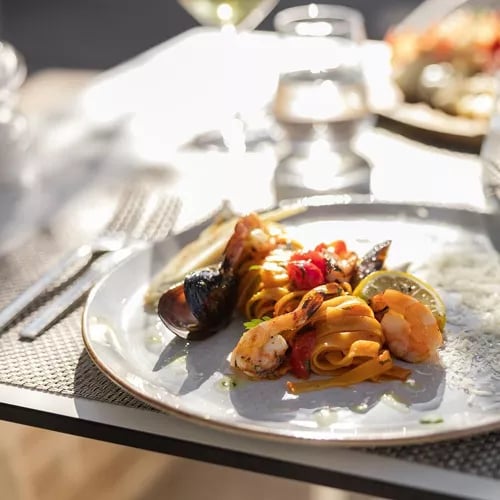
Ancient olive trees shade the terrace at Otok, where the kitchen channels Brač's culinary heritage through dishes that honor both land and sea. Shrimp skewers with cherry tomatoes arrive in a glossy butter-lemon sauce; brick-pressed chicken thighs deliver rustic depth. The rooftop bar above rewards lingering guests with sweeping views across the Adriatic to Supetar's terracotta rooftops.
Frequently Asked Questions
How do I reach Brač from Split?
+
Jadrolinija operates year-round car ferries from Split to Supetar, the island's main port, with crossings taking approximately 50 minutes. During summer, catamarans also connect Split directly to Bol on the southern coast. The Split airport lies just 25 kilometers from the ferry terminal, making same-day connections straightforward.
Which villages on Brač offer the most character?
+
Pučišća, built almost entirely from the local white stone, houses an active stonemasonry school where craftsmen continue centuries-old traditions. Škrip, the island's oldest settlement, contains Roman ruins and the Brač Museum within an ancient tower. Milna offers a protected harbor favored by sailors, its waterfront lined with 18th-century Baroque architecture and family-run restaurants.
What is the best time of year to visit Brač?
+
Late May through June and September offer warm seas, uncrowded beaches, and pleasant temperatures for exploring the interior. July and August bring peak summer heat and the liveliest atmosphere in Bol, though accommodation books far in advance. Spring visitors find the island carpeted in wildflowers, while autumn brings the olive harvest and wine pressing — occasions that still structure village life.
Nearby Destinations
Explore Croatia
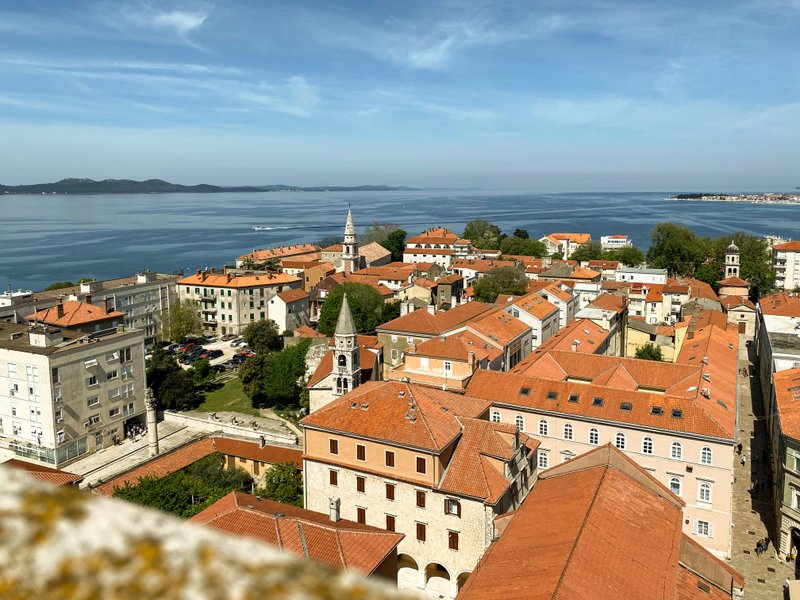
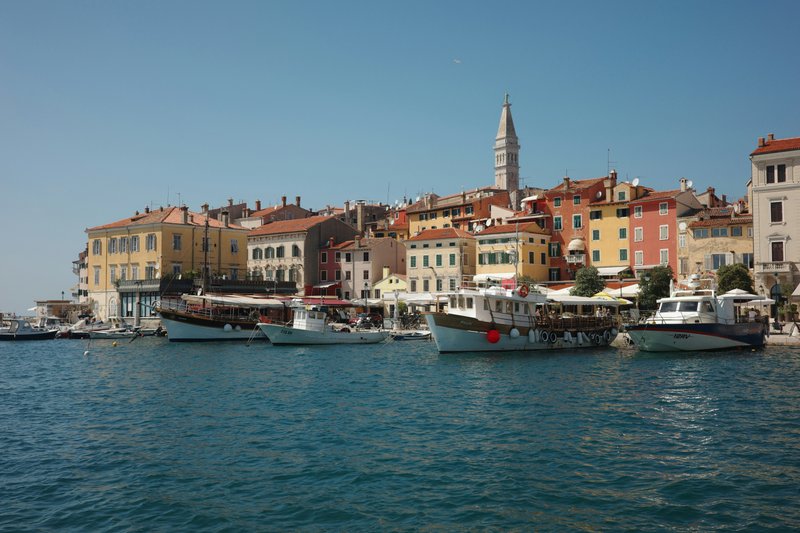



Brac
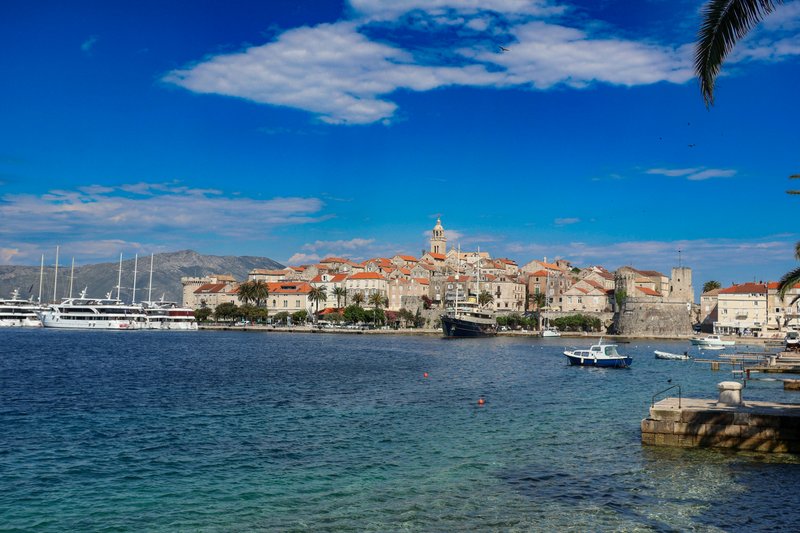
Brač rises from the Adriatic as the largest island in central Dalmatia, its interior a dramatic landscape of limestone karst, ancient olive groves, and pine forests that tumble toward coves of startling clarity. The famous white stone quarried near Pučišća has built Split's Diocletian Palace and contributed to the White House in Washington — a geological heritage that shapes the island's architecture and identity. Bol, on the southern coast, draws visitors to Zlatni Rat, a distinctive horn-shaped beach that shifts with currents and winds, while the hilltop village of Škrip preserves Roman fortifications and a museum of olive oil production spanning millennia.
The dining scene reflects Dalmatian traditions: grilled fish landed that morning, lamb slow-roasted under a peka dome, and olive oils pressed from groves that have produced fruit since Roman times. Konobas in Supetar and Milna serve these preparations in stone-walled interiors or on terraces overlooking fishing harbors. Winemakers on the island cultivate indigenous varieties including plavac mali, offering tastings in village cellars. The rhythm here follows the sea — morning markets, long lunches, evening passeggiate along waterfronts where the scent of rosemary and salt air mingles.