A seventeenth-century palace on Korčula's stone-paved lanes, steps from Marco Polo's birthplace, now houses six independent suites—each themed after a stage of the explorer's journey to China. Contemporary design threads through preserved historical bones, while a spa offers restorative massages. The Adriatic beckons beyond: sailing, diving, kayaking, kitesurfing. Creative local cuisine accommodates vegetarian and vegan palates with equal finesse.
Where to Stay
On Korčula's palm-fringed seafront promenade, this intimate 20-room property occupies a prime position within the medieval Old Town's fortified walls. The brasserie draws guests to its shaded waterside terrace for Dalmatian specialties, while the adjoining G&T lounge captures some of the Adriatic's most theatrical sunsets. Double-height suites with mezzanine bedrooms accommodate families seeking a quieter coastal retreat.
Perched above Saplunara Bay on Mljet's southern tip, this family-run retreat pairs twelve smartly designed apartments with one of the island's finest restaurants directly below. Every unit opens onto a balcony or terrace framing the Adriatic, while an infinity pool extends toward the crystalline water. The welcoming atmosphere suits families and travelers with well-behaved dogs equally well.
Where to Eat
Chef Marko Gajski holds a Michelin star for cooking that threads Dalmatian seafood through Eastern accents and French-inflected sauces, with fermentation adding unexpected depth. His signature shrimp gyoza with mousseline and daikon anchors every tasting menu. Summer service unfolds metres from the Adriatic, tables facing the island-scattered horizon while a sommelier navigates regional and international bottles with quiet authority.
Within a meticulously restored 17th-century palace mere steps from Marco Polo's reputed birthplace, this restaurant delivers creative Adriatic cooking that honors Korčula's maritime heritage. The kitchen crafts refined dishes with vegetarian and vegan options alongside traditional preparations, while à la carte breakfast offers an unhurried morning ritual. Historic stone walls and contemporary design create an intimate backdrop for leisurely, occasion-worthy dining.
Calabrian pines shade the open-air terrace where diners look out across the Pelješac channel to scattered archipelago islands. Chef Ivan Uglik's Mediterranean cooking draws on regional seasons—sea bass with mashed peas and fennel among the signatures—while a compact wine list champions lesser-known bottles from Korčula, Hvar, and Pelješac. Five-course tasting menus run alongside à la carte and a dedicated vegan option.
Ten kilometers from Korčula town, this Bib Gourmand farmhouse restaurant in Pupnat village operates as a self-sustaining ecosystem. The family cures its own charcuterie, matures goat's cheese on the premises, and tends vegetable gardens that supply the kitchen. Their signature ravioli—stuffed with that house-aged cheese, dressed in sage sauce—arrives at solid wood tables on a lantern-lit terrace. A Michelin Green Star confirms the commitment to locality.
What to Do
Within Korčula's ancient stone walls, LD Spa channels the wellness traditions of the Silk Road through Thai therapists trained to exacting standards. Treatments draw on techniques spanning Bangkok to the Adriatic, delivered with bespoke products blended from Dalmatian herbs and Asian botanicals. The result is an improbable fusion—Eastern ritual precision meeting Mediterranean sensibility in Marco Polo's birthplace.
Frequently Asked Questions
When is the best time to visit Korčula for good weather without peak crowds?
+
Late May through mid-June and September offer warm swimming temperatures, open restaurants, and significantly fewer visitors than July and August. The Moreška performances run from late June through September.
How do you reach Korčula from Split or Dubrovnik?
+
Catamarans connect Split to Korčula town in roughly two and a half hours. From Dubrovnik, the fastest route combines a drive up the coastal road to Orebić on the Pelješac Peninsula with a short ferry crossing — about two hours total.
What local wines should visitors try on the island?
+
Pošip, a dry white grown across the island, pairs well with seafood and ages surprisingly well. Grk, cultivated almost exclusively around Lumbarda's sandy soils, produces a mineral-driven white with distinctive salinity. Both are difficult to find outside Croatia.
Nearby Destinations
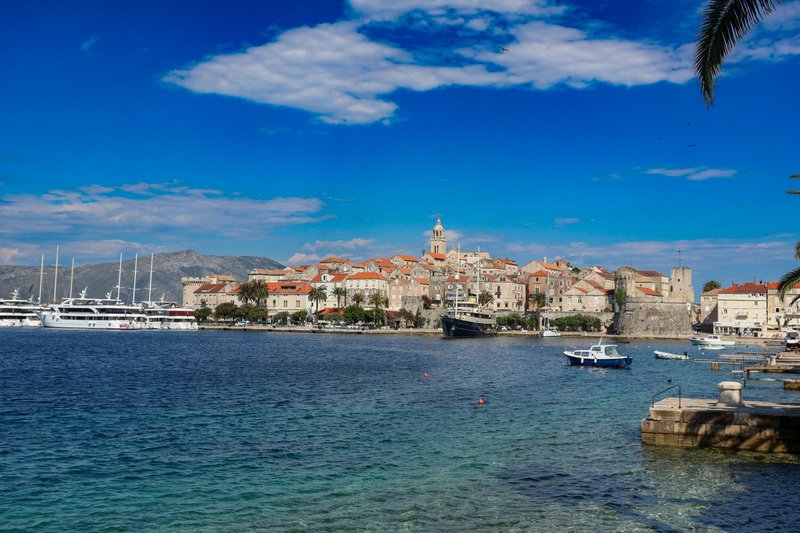
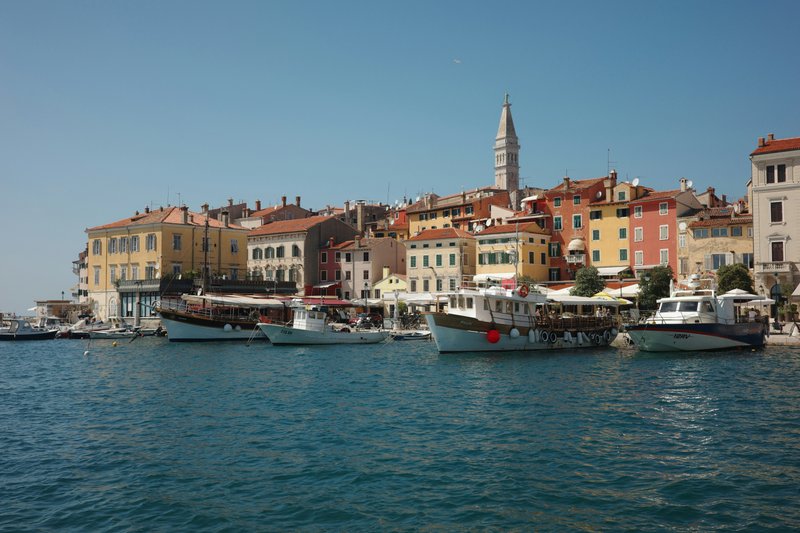
Explore CroatiaMarco Polo's claimed birthplace rises from the Pelješac Channel like a medieval fortress turned resort island. The old town's herringbone streets, built to deflect the summer maestral winds, funnel visitors past Renaissance palaces and the Cathedral of St. Mark with its Tintoretto altarpiece. Beyond the fortified walls, the island unfolds into pine forests, hidden coves, and vineyards producing Pošip and Grk — white varietals found nowhere else.
The hospitality scene clusters around two poles: the walled town itself, where converted stone houses offer intimate stays steps from the evening korzo promenade, and the quieter southern coast near Lumbarda, known for sandy beaches rare along the Dalmatian shore. Restaurants favor the day's catch — dentex, John Dory, lobster from Lastovo — prepared with Korčulan olive oil and served on terraces overlooking the channel. The Moreška sword dance, performed weekly through summer, reminds visitors this was once a Venetian outpost guarding Adriatic trade routes.