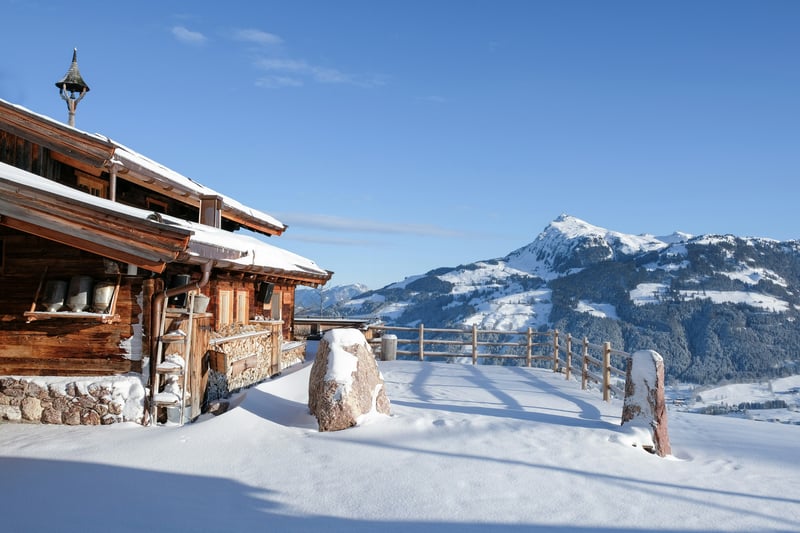
Ancient Tyrolean wood, stone, and copper shape this ten-suite retreat where alpine tradition meets contemporary refinement. Each suite features a log fireplace, iPad-controlled lighting, and panoramic views of snow-draped peaks. A spa with Turkish bath, sauna, and indoor pool provides après-ski restoration, while the library lounge and well-stocked wine cellar reward evenings. The ski lifts to Lech and St Anton sit minutes away.
Where to Stay
Eight decades of family stewardship have shaped this historic Gasthof into Lech's most refined Alpine address. Ornate carved-wood furniture fills apartments and suites with old-world gravitas, while the spa strikes a deliberately modernist counterpoint—its panoramic pool gazing across mountain peaks from the Ebra garden. Multiple award-winning restaurants fuel days on the slopes with hearty regional cooking, from helicopter skiing to cross-country trails.
Five centuries of family stewardship distinguish this converted farmhouse at the foot of Schlegelkopf, near the very slopes where downhill skiing originated. Blonde timber interiors and antler chandeliers share space with contemporary art, while rooms showcase local wool textiles and genuine antiques. A legendary wine cellar, kids' club, and on-site ski rental make it a favored base for multigenerational Alpine reunions.
Behind the traditional Alpine façade of this centuries-old inn lies a striking contemporary renovation: minimalist rooms in white Austrian maple, flooded with natural light. The 1,500-square-meter spa complex includes a Finnish outdoor sauna, steam grotto, and an indoor-outdoor pool heated for winter swimming. A seasonal restaurant delivers modern Austrian cuisine, while the historic village of Lech grants access to some of Europe's finest ski terrain.
Seven timber chalets climb the Arlberg plateau at over 1,700 meters, each room opening onto balconies that frame the massif and featuring private saunas for après-ski recovery. Interiors split between classic alpine and contemporary design, unified by lavish natural wood. A three-floor wellness complex includes Turkish bath and twin pools, while the two-Michelin-starred Griggeler Stuba anchors the culinary offering.
Twenty-nine rooms decorated in styles from antique Chinese to French boudoir give Kristiania Lech the character of a private residence rather than a hotel. A bath butler draws therapeutic soaks after days on the Arlberg's legendary pistes, while seven thousand bottles aging in the rock cellars below supply the Austrian restaurant where après-ski fondue unfolds beside an open fire. Personal ski guides and a reading butler complete the eccentric luxury.
Lorenzo Bellini's minimalist design shapes this 124-room alpine retreat, where wood and stone interiors open onto balconies framing mountain panoramas. The 2,500-square-metre SPA-ROSA complex—complete with hammam, sauna, and jacuzzi—anchors the wellness offering, while Carnozet delivers regional Austrian cooking. Ski-equipped and pet-friendly, the property suits active travelers seeking contemporary mountain comfort without sacrificing alpine authenticity.
Perched directly on the Schlegelkopfpiste, this intimate 18-room retreat delivers genuine ski-in ski-out convenience rare even in Lech. The expansive spa complex—indoor pool, multiple saunas, steam rooms, cold plunge, Jacuzzi—rewards tired muscles after a day on the slopes. Restaurant Aurelio's reinterprets regional cuisine with creative finesse, while summer reveals the same peaks transformed into flowering meadows for hiking and wild swimming.
Perched directly on the Arlberg slopes in Oberlech, Hotel Goldener Berg wraps classic alpine architecture in an unexpected boho-chic aesthetic—think wood paneling offset by colorful textiles, mid-century furniture, and faux-fur throws. Suites open onto terraces facing snow-capped peaks, while the spa complex offers an outdoor hot tub, indoor pool, hammam, and sauna. A plant-based restaurant showcases local cheeses and wines against panoramic mountain views, appealing to families and design-conscious skiers alike.
Where to Eat
Within the wood-panelled dining room of Burg Vital Resort in car-free Oberlech, chef Sebastian Jakob orchestrates a two-Michelin-starred menu where Alpine traditions meet refined Japanese accents. His signature langoustine arrives with wasabi greens cream, edamame, and smoked eel beneath a frothy shellfish sauce. A sommelier navigates the remarkable 4,500-label cellar, while ingredients are presented tableside before each course.
Inside Zug's converted schoolhouse, a horseshoe counter frames chef Julian Stieger's two-Michelin-starred kitchen, where warm timber meets contemporary design. His cooking strikes a rare balance—complex without excess, modern yet rooted. The signature Blutwurstbrot arrives as refined provocation: fine-crumbed bread layered with apple-black pudding compote, finished tableside with shaved truffle. A surprise menu format keeps regulars guessing; vegetarian versions require advance notice.
Sascha Kemmerer and Hans-Jörg Frick share command of this one-Michelin-starred kitchen at the A-ROSA Ifen Hotel, where Kemmerer's training under the legendary Ortwin Adam informs a cuisine rooted in Kleinwalsertal terroir yet reaching beyond regional borders. Seasonal menus of four to six courses showcase precise craftsmanship and balanced contrasts, served against floor-to-ceiling alpine panoramas that extend to a lounge terrace for aperitifs.
Behind a sweeping glass façade in Lech, Fux pairs Asian-European fusion with one of Austria's most distinguished wine cellars—the Champagne and Burgundy selection alone warrants a detour. Chefs work an open kitchen visible from nearly every table, lending theatre to the evening. A sophisticated bar anchors the space, equally suited to a pre-dinner aperitif or a lingering nightcap after the slopes.
Inside Hotel Jagdhaus Monzabon, chef Michael Broger runs an intimate dining room with just a handful of tables, where Mediterranean influences meet Alpine ingredients in dishes like red Carabinero prawn with Buddha's hand lemon and teriyaki venison with morels. Junior chef Tobias Schneider, trained as both wine and sake sommelier, guides pairings with scholarly precision. Reservations essential.
Accessed through its own entrance at Hotel Arlberg, La Fenice delivers what the kitchen calls 'Monte e Mare'—Alpine-Mediterranean cooking expressed through five- to eight-course tasting menus, vegetarian options included. The room itself matches the ambition: warm wood paneling, a partially painted ceiling, and classic wall lamps. A cellar holding 15,000 bottles across more than 1,000 labels ensures proper accompaniment.
Perched in Oberlech with commanding views across the Arlberg peaks, Murmeli holds a Michelin Plate for its ingredient-driven approach to regional Austrian cooking, threaded with international accents. The terrace delivers one of the valley's most dramatic dining panoramas, while the refined interior maintains sightlines to the surrounding mountains. An experienced service team adds polish to an already assured alpine address.
Perched above Lech at the Burg Vital Resort, Picea offers a compelling alternative to formal Alpine dining. The kitchen takes a grounded approach to regional cuisine, with dishes like Alpine char paired with red lentils, artichoke, and winter tarragon reflecting both technical skill and mountain terroir. A panoramic terrace frames snow-capped peaks, while the wine list mirrors the acclaimed selection from sister restaurant Griggeler Stuba.
A winter-only dining destination within the storied Almhof Schneider hotel, this restaurant splits across two artistically distinct spaces: Wunderkammer, conceived by Paul Renner, and Herbarium, adorned with Christian Thanhäuser's woodcuts. The kitchen delivers Austrian comfort — Fiaker goulash, Riesling Beuschel, Kaiserschmarrn — alongside Wagyu steaks, all matched against an exceptional cellar of over 1,200 wines.
Within the wood-paneled rooms of Gasthof Post, a Michelin Plate restaurant in central Lech, the kitchen delivers Austrian staples with quiet authority—Tafelspitz simmered to tender precision, Wiener schnitzel with proper crackle. For those seeking deeper engagement, the intimate Jägerstube offers an exclusive tasting menu by advance reservation. The alpine dining rooms, each distinct in character, suit both post-ski appetites and unhurried evening meals.
What to Do
Spread across 1,100 square meters within the Ebra Park garden, Post Beauty & Spa integrates its treatment suites directly into the Alpine landscape. A heated pool frames views of Mount Omeshorn, while a saltwater steam bath opens onto an outdoor grotto carved into the mountainside. The resident wellness team designs individualized fitness programs, complementing therapies that draw on the surrounding natural environment.
Frequently Asked Questions
What is the difference between Lech and Zürs?
+
Lech is the larger village with a historic center, parish church, and most of the retail and dining options. Zürs is smaller and more exclusive, essentially a collection of hotels clustered around ski lifts with minimal village infrastructure. Both share lift access and are connected by a short shuttle ride or the Flexenbahn gondola.
When does the road to Lech-Zürs close for winter?
+
The Flexenpass road between Zürs and the Klostertal valley typically closes after heavy snowfall from December through April. Access during this period requires approaching via the Arlberg tunnel from Tyrol or helicopter transfer. The road to Lech from Warth remains open year-round via regular avalanche control.
Is Lech-Zürs suitable for non-skiers?
+
Winter alternatives include over 40 kilometers of cleared walking paths, cross-country skiing loops to Zug, and tobogganing runs. The village maintains a winter hiking trail network and several hotels offer extensive spa facilities. However, the resort's identity centers firmly on alpine skiing.
Nearby Destinations
Explore AustriaLech and neighboring Zürs sit at the western edge of Austria's Arlberg massif, connected by a single mountain road that closes each winter under heavy snowfall. The twin villages developed along different lines: Lech grew around a fourteenth-century church and farming community, while Zürs emerged in the 1920s as one of Europe's first purpose-built ski stations. Today both retain strict building codes that keep architectural sprawl in check — no structure may exceed four stories, and traditional timber-and-stone construction remains mandatory.
The dining scene reflects this Alpine conservatism mixed with cosmopolitan influence. Hotel restaurants dominate, many holding long-tenured positions in the Gault&Millau guide, serving refined interpretations of Vorarlberg cuisine alongside French and Italian preparations. Après-ski culture here trends quieter than neighboring St. Anton — expect champagne bars and wood-paneled stuben rather than thumping discotheques. The Rüfikopf cable car links both villages to the broader Ski Arlberg network, but the valley floor rewards exploration on foot, particularly the riverside path connecting Lech to the hamlet of Zug.