Perched at 1,550 meters on the Ehrwalder Alm, this nine-suite retreat reaches its doorstep only by cable car in winter—the highest accommodation beneath the Zugspitze. Interiors favor handcrafted spruce, hand-carved doors, and log baths hollowed from single timber pieces. The spa draws on Alpine herbalism with onsen and meditation pools. No televisions intrude; vinyl records and floor-to-ceiling panoramas suffice. Adults only, all-inclusive, profoundly quiet.
Explore Seefeld
Where to Stay
A mint-chocolate facade marks this Tyrolean landmark, where a £20 million renovation has restored its 1950s jet-set allure with contemporary polish. Inside, maximalist alpine design layers warm oak, antlers, and rustic stone beneath oversized artwork. The spa commands mountain panoramas from its Turkish bath, sauna, and jacuzzi, while dual pools—indoor and outdoor—suit families and wellness seekers alike.
Five centuries of reinvention—monastery, brewery, war hospital—have shaped this 90-room Seefeld landmark now in its sixth generation of family ownership. Exposed brick and weathered beams meet bold contemporary textiles throughout, while an ever-flowing beer fountain nods to the building's brewing past. Families appreciate the on-site petting zoo; spa devotees find Turkish baths, jacuzzi, sauna, and twin pools awaiting.
The Singer family has welcomed guests by name to this grand Tyrolean chalet since 1928, cultivating an intimacy rare at this scale. Sixty-two rooms dressed in traditional wood and textiles open onto balconies facing the Zugspitze lifts—skiing and alpine hiking begin at the doorstep. A three-floor spa features saltwater steam baths, Caudalie Vinothérapie treatments, and a heated outdoor pool set within manicured gardens.
Carved into a Lermoos hillside with the Zugspitze massif as its backdrop, this 80-room Tyrolean retreat anchors itself around a wellness complex stretching half a football pitch—indoor and outdoor pools, Turkish bath, jacuzzi, and sauna suites. Rooms dressed in natural wood and contemporary art frame alpine panoramas, while a dedicated bike station at the door launches guests straight into mountain trails.
What to Do
Three floors and 19,400 square feet of wellness space unfold across this family-run Alpine retreat, where a panoramic indoor-outdoor pool frames the surrounding peaks. Treatments draw on Tyrolean herbs and mineral salts grown in the 2.5-acre garden on-site, while themed saunas—the Tiroler Stube and Alpine Herbs chamber among them—offer restorative heat after days exploring trails near Ludwig II's nearby castle.
Deep beneath Eriro Alpine Spa, the Sela meditation pool glows in cavernous half-light, a brass singing bowl suspended overhead for guests to ring at will. Upstairs, the Taja hot pool channels Japanese onsen tradition with views of Tajakopf, while Sunna's wraparound windows frame Alpine peaks. Herbalist-led treatments employ mountain arnica and St. John's wort; between sessions, Tyrolean wool hammocks and a hay-filled sound room deepen the stillness.
Frequently Asked Questions
What is the best way to reach Seefeld Plateau from Innsbruck?
+
The plateau sits just 25 kilometres northwest of Innsbruck. Regional trains run approximately every hour and complete the journey in around 35 minutes, climbing through the scenic Wipptal valley. By car, the drive takes roughly 30 minutes via the B177, passing through the village of Zirl before ascending to the plateau.
When is the ideal season to visit Seefeld Plateau?
+
Winter visitors arrive between December and March for cross-country skiing and snowshoeing, with reliable snow coverage at this elevation. Summer, from June through September, offers optimal hiking conditions and access to high-altitude trails in the Karwendel range. The shoulder seasons of May and October see reduced crowds but limited mountain lift operations.
What distinguishes the Nordic skiing infrastructure on the plateau?
+
The region maintains extensive trail networks that hosted Olympic and World Championship competitions, with routes ranging from gentle loops around Wildsee lake to demanding climbs toward Gschwandtkopf. Trail grooming standards remain exacting, and rental facilities cater to both classic and skating techniques. Altitude training at 1,200 metres draws competitive athletes alongside recreational skiers.
Nearby Destinations
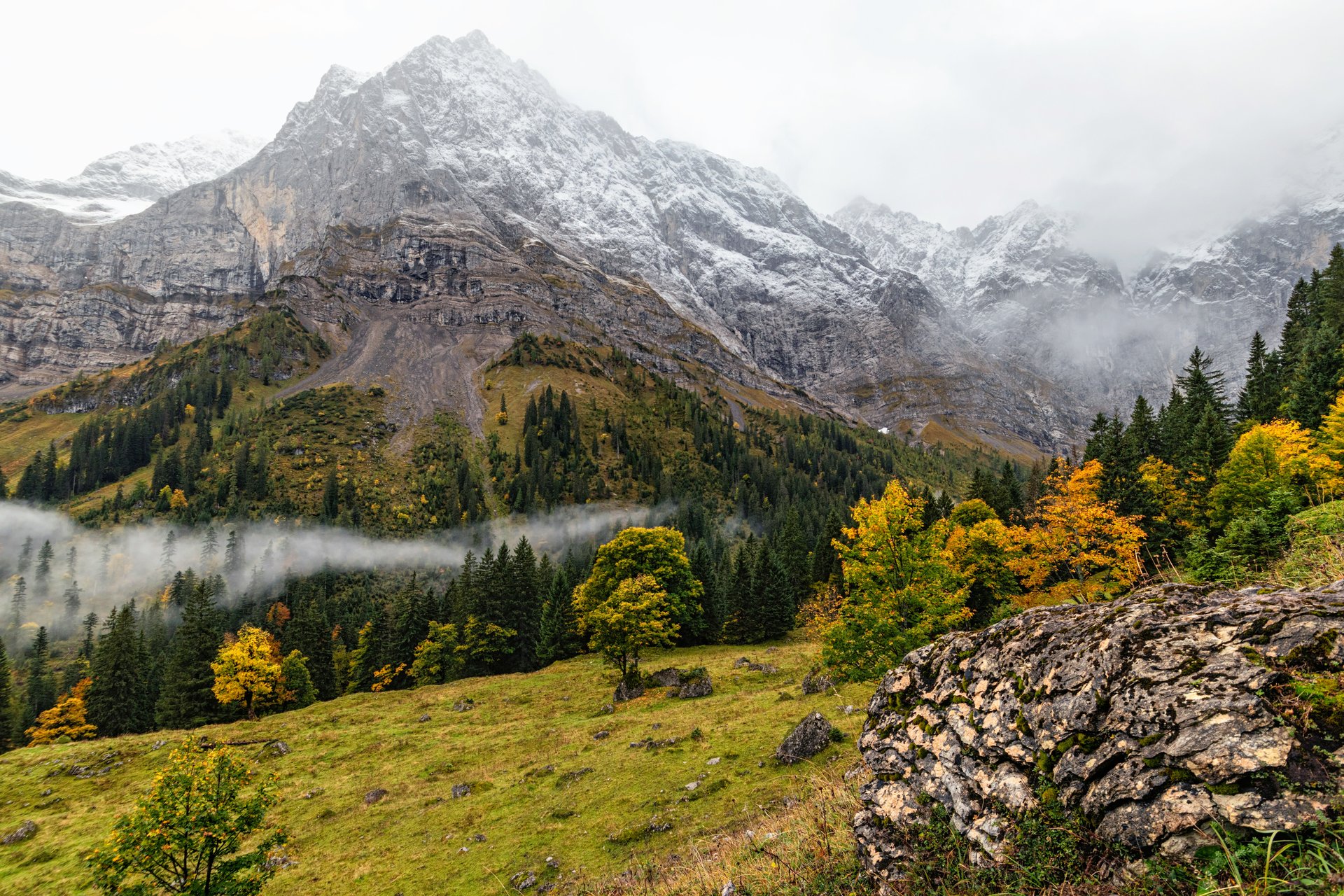
Explore AustriaThis high plateau in the Austrian Alps, sitting at 1,200 metres above sea level, hosted Nordic skiing events during the 1964 and 1976 Winter Olympics. The village of Seefeld itself clusters around a pedestrianised centre where Habsburg-era buildings house contemporary restaurants and traditional Tyrolean Stuben. Beyond the main square, the hamlets of Mösern, Reith, and Scharnitz spread across the plateau, each with distinct character — Mösern perched on a sunny terrace overlooking the Inn Valley, Scharnitz marking the dramatic entrance to the Karwendel Nature Park.
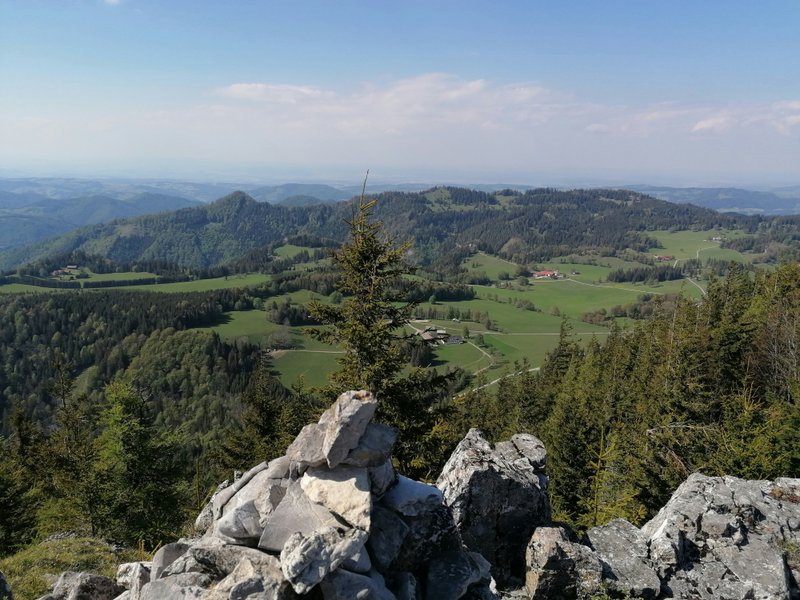
The plateau's identity splits between winter and summer pursuits. Some 266 kilometres of groomed cross-country trails draw Nordic skiers from across Europe, while the compact downhill areas suit families and intermediate skiers seeking uncrowded slopes. Summer transforms the landscape into hiking and mountain biking terrain, with the Karwendel's limestone peaks providing a stark alpine backdrop. The dining scene ranges from wood-panelled farmhouses serving Tiroler Gröstl and Kaspressknödel to more refined establishments where chefs interpret regional ingredients with modern technique. Evening activity centres on hotel bars and a handful of après-ski venues rather than late-night clubs.