Chef Johannes Nuding, formerly of three-starred Sketch in London, runs this two-Michelin-star dining room with a remarkably lean brigade of three. His six-course menu showcases precise, inventive regional cooking—wild turbot roasted on the bone arrives atop borlotti beans with confit lemon and salted capers, finished in classic wine sauce. The historic space retains its original wooden ceiling, while a vaulted bar and walk-in cellar await exploration.
Explore Innsbruck
Chef-patron Johannes Nuding's Bib Gourmand bistro occupies a compact, colorful space along a cobbled lane in Hall in Tirol's old town. The European Contemporary menu pivots from a two- or three-course lunch to relaxed evening plates—onion soup, quiche, Thai curry, baked guinea fowl—served from 5pm. A spirited team and hands-on owners create an atmosphere that feels genuinely convivial rather than performative.
Frequently Asked Questions
What are the best neighborhoods to stay in Innsbruck?
+
The Altstadt offers immediate access to historic sites and pedestrian shopping along Herzog-Friedrich-Strasse. Saggen, east of the Old Town, provides quieter residential streets with Jugendstil architecture. Wilten, south of the river, combines local character with proximity to the Bergisel area and Stubai Valley access.
When is the best time to visit Innsbruck?
+
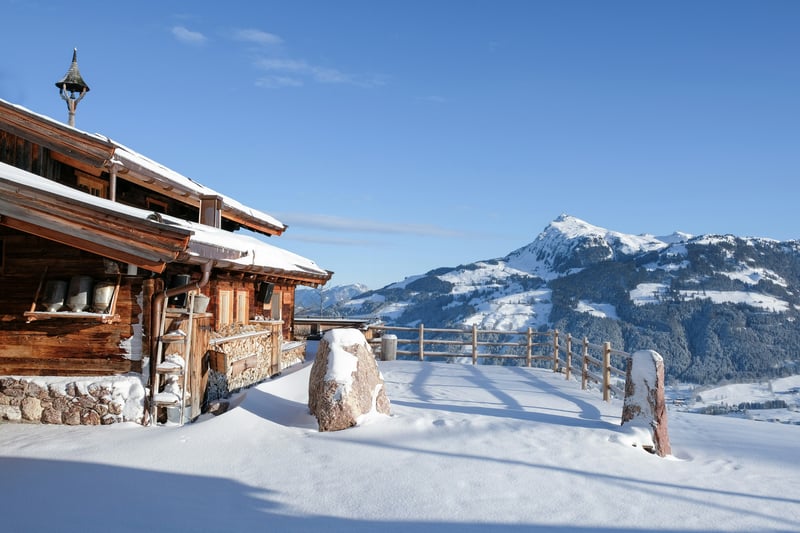
December through March suits skiers, with reliable snow across the Olympia SkiWorld resorts. January brings the Hahnenkamm races in nearby Kitzbühel. June through September offers hiking weather and outdoor dining, while the Christmas markets transform the Altstadt from late November through December 23rd.
How accessible are the ski areas from central Innsbruck?
+
The Nordkette is reachable in twenty minutes via the Hungerburgbahn and cable cars directly from Congress station. Axamer Lizum, site of two Winter Olympics, lies thirty minutes by car. The SKI plus CITY Pass covers transport and lift access to nine resorts surrounding the city.
Nearby Destinations
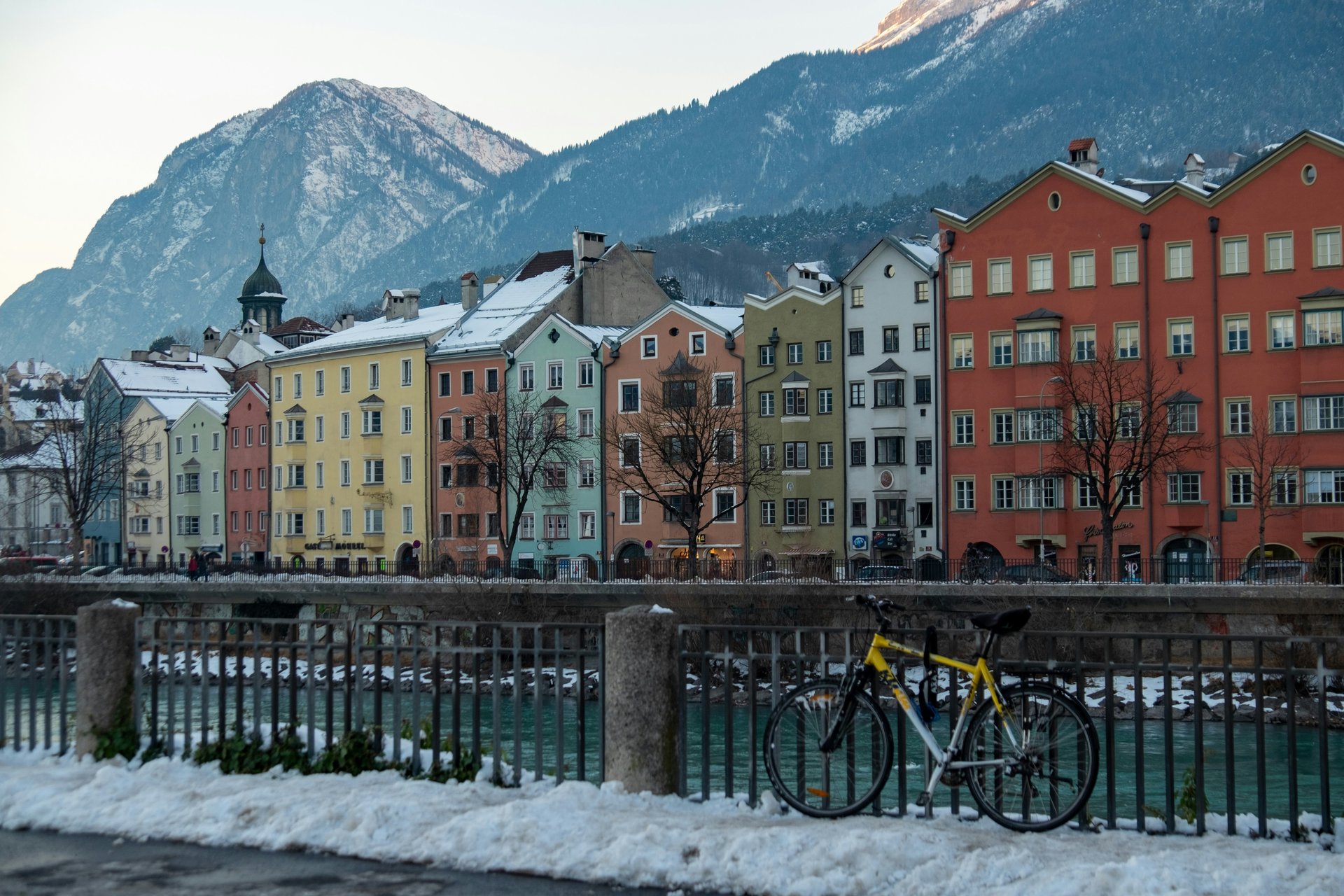
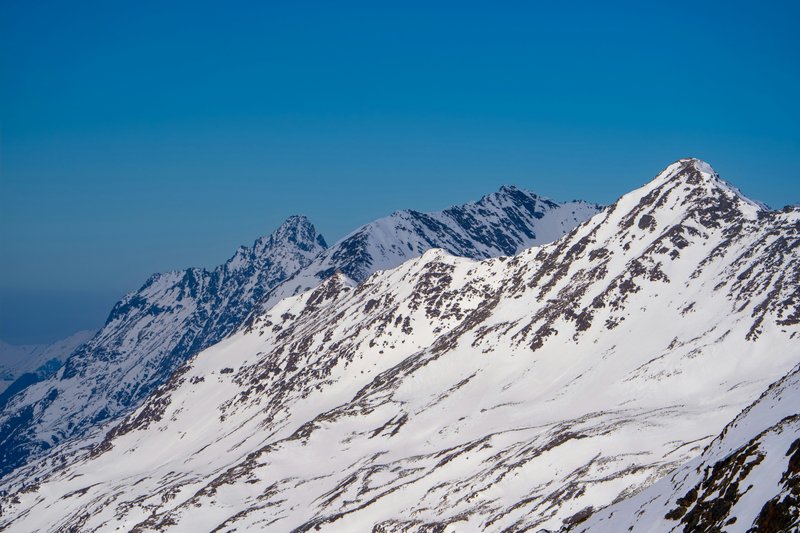
Explore AustriaThe Tyrolean capital sits in a valley carved by the Inn River, framed by the Nordkette range to the north and the Patscherkofel to the south. Habsburg emperors left their mark on the Altstadt, where the Golden Roof still gleams above Maria-Theresien-Strasse. The city's compact scale means the 15th-century Hofburg palace stands minutes from contemporary architecture like the Bergisel ski jump, designed by Zaha Hadid. Winter draws skiers to nine surrounding resorts; summer brings hikers and those seeking the cooler mountain air that once attracted Austrian aristocracy.
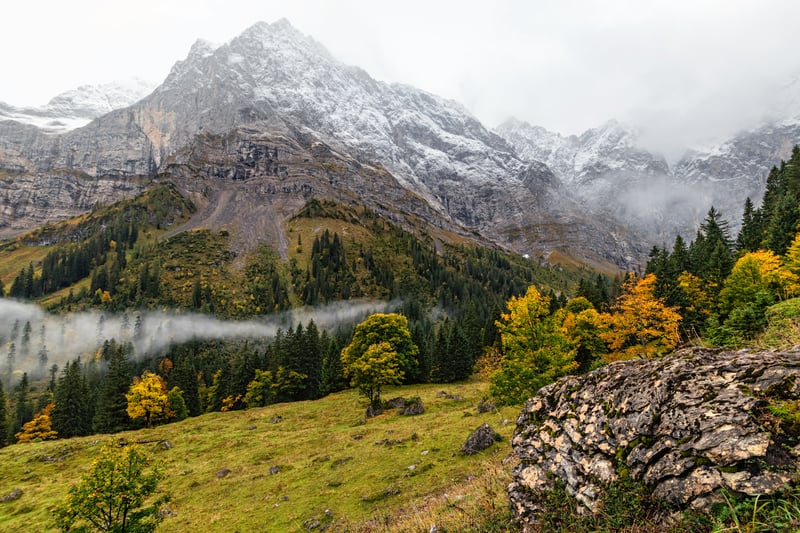
Accommodation clusters around the pedestrianized Old Town and along the Inn's south bank in the Wilten and Saggen districts. The restaurant scene reflects both Austrian tradition — Wiener schnitzel pounded thin, Tyrolean dumplings, apple strudel pulled by hand — and a newer generation of chefs incorporating Alpine ingredients into modern European cooking. Cafés fill the arcaded passages of the Altstadt, while bars occupy vaulted cellars that date to the medieval trading era. The Hungerburgbahn funicular connects the city center to alpine meadows in eight minutes, a reminder that wilderness here begins where the last streetlamp ends.