Black and lavender interiors evoke a French château scaled for intimacy at this one-Michelin-starred dining room in Yebisu Garden Place. The kitchen interprets Joël Robuchon's legacy through a casual lens, presenting seasonal French cooking with preparations that balance simplicity and modern technique. Attentive service and the convivial atmosphere make it particularly well-suited to romantic dinners where conversation flows as freely as the wine.
Behind the red-tiled roof of a Western-style brick house in Shibuya, marble floors and antique chandeliers conjure the atmosphere of a European aristocratic villa. The kitchen delivers French cuisine with modern restraint—each plate scrupulously composed, visually striking. A dessert trolley arrives tableside for leisurely selection, while the proprietress herself orchestrates an attentive service team, ensuring an evening of quiet indulgence.
A husband-and-wife duo runs this intimate Setagaya dining room with quiet precision—he composes French plates that layer textures and temperatures into complex flavor profiles, she crafts every dessert. Classic sauces accompany fish and meat courses, while fruits, herbs, and spices add subtle dimension. The synchronized rhythm between kitchen and pastry station makes for an unhurried, deeply personal evening.
A Paris-trained chef channels the convivial spirit of French bistro culture at this Takadanobaba address, where every dish arrives portioned for two. The intimate dining room evokes rural France through classics like meat terrine à la campagne, slow-braised beef cheeks in red wine, and hearty cassoulet. Bib Gourmand-recognized, L'Amitié suits couples seeking authentic Gallic warmth without the formality.
A husband-and-wife team runs this intimate Nakano address, drawing on years spent in southern France to shape their cooking. The menu drifts through Provençal staples—onion tarts, slow-braised beef, couscous—while a basil-scented vegetable soup carries particular personal significance for both chefs. Organic wines accompany the meal, and the atmosphere feels genuinely domestic, suited to couples seeking unhurried conversation over honest, countryside-inspired plates.
Frequently Asked Questions
Which Tokyo neighborhoods are best for romantic dinners?
+
Kagurazaka offers traditional charm with its geisha district atmosphere and historic ryotei restaurants. Ginza provides sophisticated options in intimate basement spaces. Nakameguro attracts couples to its canal-side terraces, while Roppongi and Shibuya's high-rises deliver dramatic skyline views from private tables.
Do Tokyo restaurants offer private dining rooms for couples?
+
Yes, private rooms called kojitsu are a traditional feature of Japanese dining culture. Many kaiseki restaurants, high-end sushi establishments, and ryotei offer these enclosed spaces as a standard option. Reservations for private rooms typically require advance booking, often weeks ahead for popular venues.
What is the best time of year for a romantic dining trip to Tokyo?
+
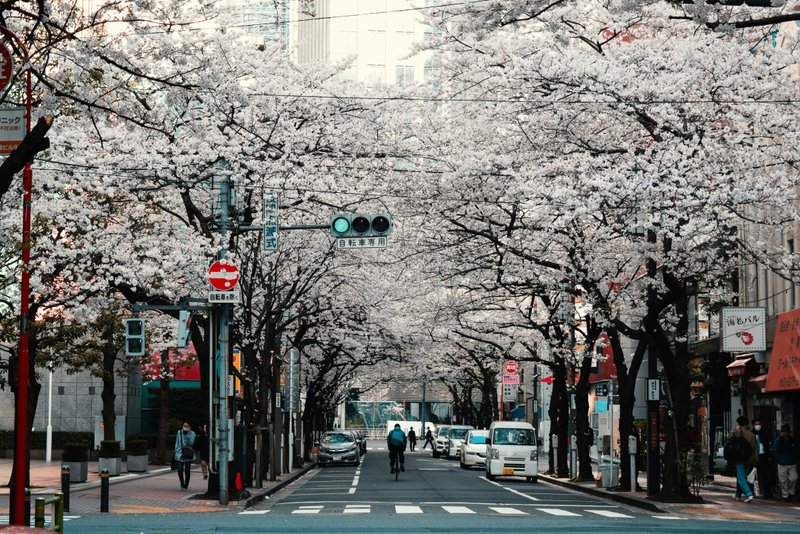
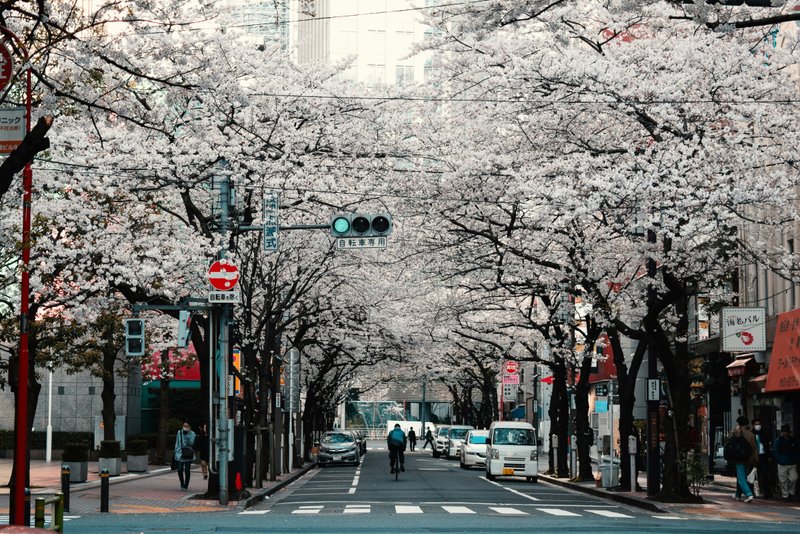
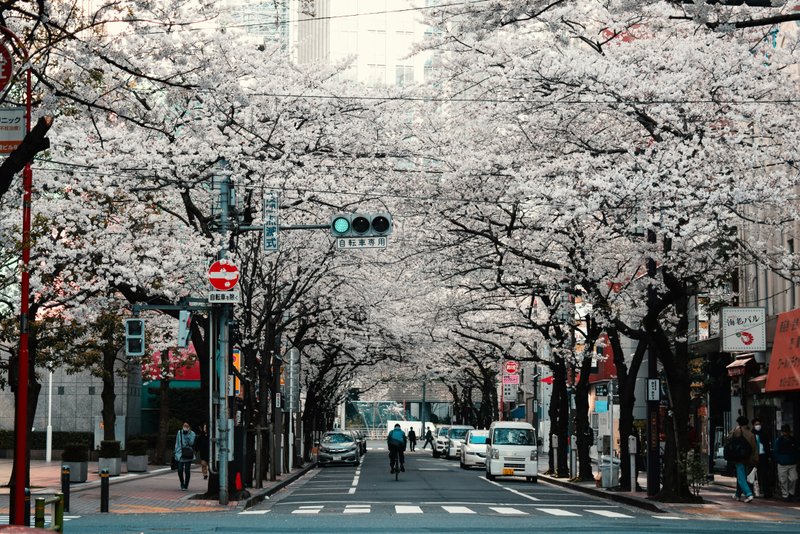
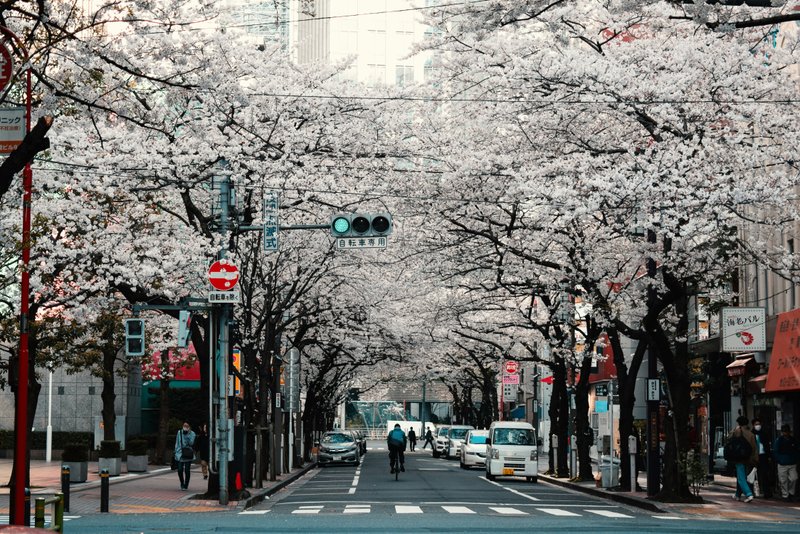
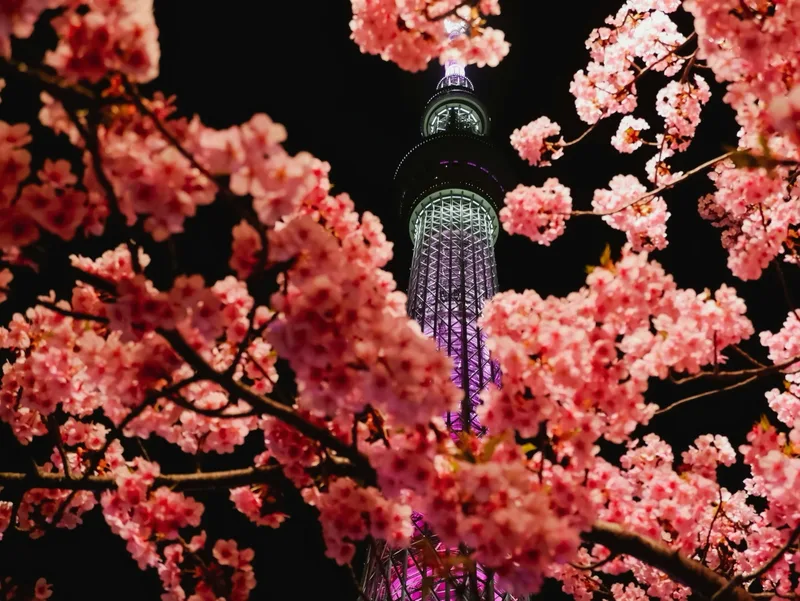
Late March to early April brings cherry blossoms, creating magical backdrops for canal-side and garden restaurants. Autumn (November) offers stunning foliage views from restaurants with traditional gardens. Winter evenings showcase illuminated cityscapes from high-floor establishments. Summer months feature rooftop beer gardens and riverside terraces.
Nearby Destinations
Explore JapanThe capital's most intimate dining addresses cluster in unexpected places. Ginza's backstreets hide discreet sushi counters seating just six guests, while Roppongi's high-rise restaurants offer candlelit tables with sweeping night views. Kagurazaka, with its cobblestone alleys and traditional ryotei, remains the classic choice for couples seeking old-world atmosphere—many establishments here require introductions, though increasingly accept direct reservations. For contemporary romance, Nakameguro's canal-side restaurants draw design-conscious couples, particularly during cherry blossom season when the waterway transforms into a tunnel of pink.
The ritual of Japanese hospitality suits romantic occasions remarkably well. Omakase formats remove the burden of ordering, allowing conversation to flow uninterrupted as courses arrive. Private rooms (kojitsu) offer complete seclusion—a feature built into Japanese dining culture long before the concept became trendy elsewhere. Those pairing their restaurant reservations with an overnight stay will find that boutique properties throughout Minato and Shibuya wards position guests within walking distance of the city's most sought-after tables.