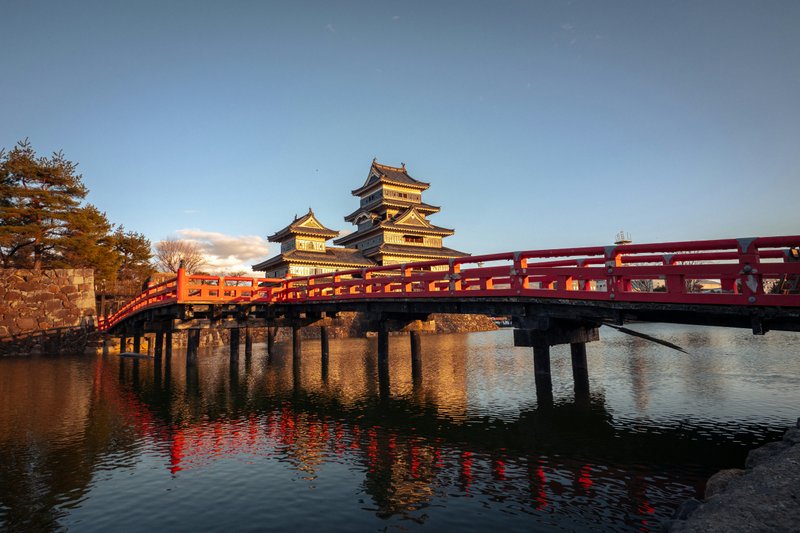
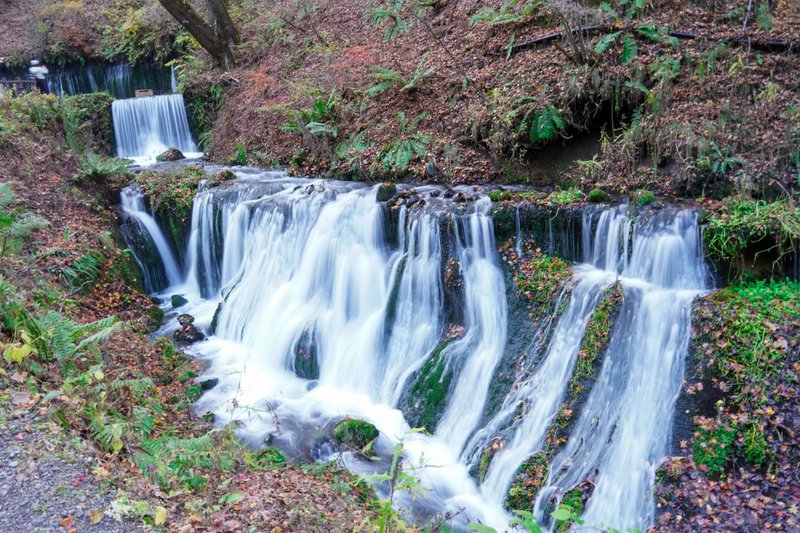
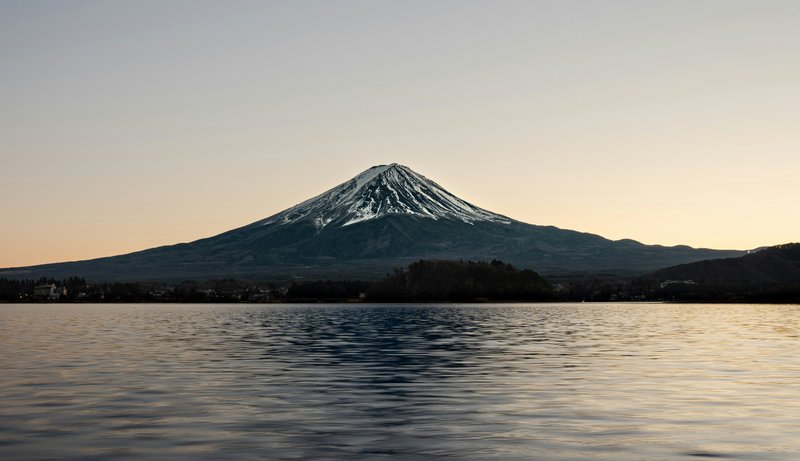
This 1931 ryokan occupies a forested corner of Yatsugatake National Park, thirty minutes from Matsumoto Castle. Forty-three rooms showcase tatami floors and shoji screens in their purest form—some with private open-air baths. Three communal hot springs face the mountain canopy around the clock. The kitchen runs parallel tracks: refined Kaiseki and organic macrobiotic French, both drawing from regional producers. A restorative base for families and nature-seekers.
Where to Stay
Three rooms occupy this meticulously restored wooden property in a green Nagano valley, where wellness and adventure exist in equal measure. Olympic-level guides lead bespoke expeditions—paragliding one morning, forest meditation the next—while multi-course meals arrive as part of the stay. The intimate scale ensures deeply personalized service, making Zenagi particularly suited to families and active travelers seeking immersion over amenity count.
Suite-style accommodations with a glamping-inspired aesthetic define this Karuizawa property, where families find spacious layouts designed for traveling with children. The on-site spa and sauna facilities provide restorative counterpoint to days spent exploring Nagano's highland terrain. A practical base for multi-generational groups seeking comfort without sacrificing style in Japan's alpine resort country.
Set against the forested slopes of Karuizawa, GLAMDAY STYLE HOTEL SUITE YAMANOFUMOTO offers spacious suites designed for families traveling with children or pets. The property features private spa facilities with sauna, allowing guests to unwind after exploring the highland trails. A practical choice for those seeking comfortable mountain accommodation without compromising on wellness amenities or family-friendly flexibility.
What to Do
Perched high in Matsumoto's alpine wilderness, this spa draws on alkaline thermal waters heated to 102–104°F, their mineral-rich composition easing muscle tension while softening the skin. Outdoor baths set within the forest frame mountain panoramas in every season. Therapists trained in traditional Japanese techniques deliver personalized massages aimed at restoring the body's natural energy flow—a practice rooted in centuries of onsen tradition.
Frequently Asked Questions
When is the best season to visit Matsumoto and Nagano?
+
Each season offers distinct appeal. Spring brings cherry blossoms to Matsumoto Castle's moat gardens in mid-April. Summer opens the Kamikochi hiking season from mid-April through November, with alpine wildflowers peaking in July. Autumn foliage colors the Northern Alps from late September through October. Winter transforms the region into ski territory, with Hakuba and Nozawa Onsen offering powder snow from December through March, and the Jigokudani snow monkeys most photogenic against fresh snowfall.
How do you reach Kamikochi from Matsumoto?
+
Private vehicles cannot enter Kamikochi; all visitors must transfer to bus or taxi at Sawando or Hirayu Onsen. From Matsumoto Station, the Alpico bus takes approximately ninety minutes via the Sawando transfer point. The valley opens seasonally from mid-April to mid-November, closing entirely during winter months when snow buries the access roads.
What is the Zenkoji Temple morning service?
+
Zenkoji's oasaji morning service begins before dawn daily, year-round. The head priest processes through the temple grounds, blessing kneeling worshippers with a touch of the rosary. Visitors can also participate in the okaidan basement passage, navigating complete darkness beneath the altar to touch a metal key that represents salvation. The timing shifts seasonally, starting as early as 5:30am in summer.
Nearby Destinations
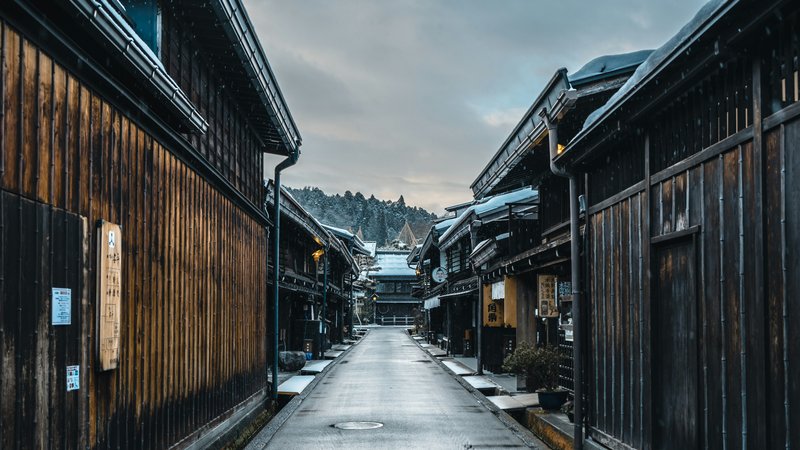
Explore JapanMatsumoto anchors the experience with its striking black castle and grid of Edo-period streets. The Nakamachi district preserves whitewashed kura storehouses now housing craft galleries and soba restaurants, while the Nawate-dori shopping lane runs along the Metoba River with its frog mascots and antique dealers. Beyond the castle moat, the city functions as gateway to the Kamikochi alpine valley and the snow-laden peaks of the Northern Alps.
Nagano, forty minutes north by train, developed around Zenkoji Temple, a seventh-century pilgrimage site that predates sectarian Buddhism in Japan. The temple's nakamise approach street has served pilgrims for centuries, lined with incense shops, oyaki dumpling stalls, and Buddhist article vendors. The surrounding Nagano basin produces exceptional soba buckwheat, and the region's onsen towns — Bessho, Nozawa, Shibu — draw visitors year-round for their wooden bathhouses and snow monkey trails. The combined territory spans castle-town culture, mountain worship, and alpine adventure within an hour's radius.