Skip to content

Takayama

1. Machiyado Ichiryu

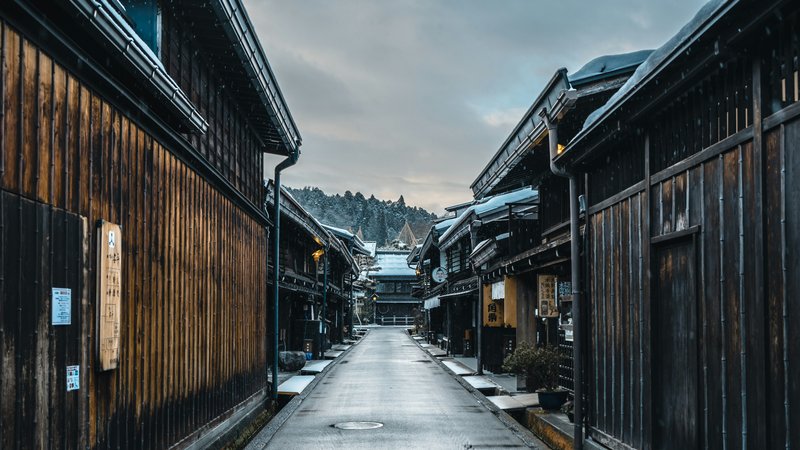
Behind the preserved façade of a classic two-story machiya townhouse, this eleven-room urban ryokan strikes an unexpected balance between tradition and contemporary restraint. A geothermal spring supplies both the communal baths and private in-room onsen, while the restaurant showcases seasonal local ingredients with meticulous attention. The modern, sober interiors appeal to travelers seeking ryokan ritual without ornate formality.

2. Kakurean Hidaji

Thermal waters drawn from the Okuhida valley feed the private onsen at this adults-only ryokan, where silence settles over tatami rooms and cedar baths each evening. The property maintains the unhurried rhythms of traditional Japanese hospitality—soaking rituals, kaiseki dinners, futon laid out at dusk—within reach of Takayama's Edo-period merchant streets. Ideal for couples seeking immersion without distraction.

3. The Retreat Accommodation Yumenagashi

An adults-only retreat in Okuhida Onsen-go, Yumenagashi offers the rare luxury of uninterrupted calm. Traditional onsen baths draw from the region's volcanic springs, while the spa and sauna provide a modern complement to these ancient rituals. The property suits couples and solo travelers seeking immersion in Japan's hot spring culture without the presence of families or tour groups.

4. Wanosato

1 Michelin Key

Deep in the forests above Takayama, this 160-year-old ryokan shelters just eight rooms within traditional minka architecture—pressed earth walls, lichen-draped roofs shaped like praying hands, and uncut tree trunks piercing through floors and ceilings. Centuries of smoke from the communal hearth have lacquered the timbers obsidian black. The cove-like onsen baths, framed by natural stone and steaming pools, reward travelers seeking profound solitude over spectacle.

5. Hanaougi Bettei Iiyama

An adults-only ryokan in Takayama, Hanaougi Bettei Iiyama maintains the quiet intensity of traditional Japanese hospitality without the interruption of families. Traditional onsen baths draw from natural hot springs, while the on-site spa extends the restorative focus. The intimate scale suits couples using Takayama as a base for exploring the Japanese Alps, returning each evening to unhurried calm.

6. Taniya

Adjacent to the Kusakabe Family Residence, a designated Important Cultural Property, this century-old machiya operates as a single-party rental—one room, total privacy. The two-story wooden townhouse preserves clay walls, earthen floors, and decorative shoji screens crafted by local artisans. A cypress soaking bath overlooks the interior courtyard, while the reading room displays sculptural furniture from a Takayama craftsman. Architecture enthusiasts and privacy seekers will find few parallels.

Frequently Asked Questions

What is special about Hida beef in Takayama?

+

Hida beef is the regional wagyu, raised in the surrounding Gifu mountains and prized for its marbling and tender texture. In Takayama, you'll find it served grilled over magnolia leaf with miso paste — a preparation called hoba miso that's specific to this area. The local restaurants source directly from nearby farms, and many offer cuts prepared as nigiri sushi, allowing the fat to melt at mouth temperature.

Which Takayama neighborhoods are best for exploring on foot?

+

Sanmachi Suji forms the historic heart — three merchant streets with sake breweries, craft shops, and preserved Edo-era architecture. The Higashiyama walking course connects temples and shrines through forest on the eastern hillside. For morning atmosphere, the Miyagawa riverside market operates daily from early hours, with stalls selling pickles, crafts, and seasonal produce.

When do the Takayama festivals take place?

+

The Takayama Matsuri happens twice yearly — the Sanno Matsuri in mid-April at Hie Shrine, and the Hachiman Matsuri in early October at Sakurayama Hachimangu. Both feature elaborate yatai floats, some dating to the 17th century, paraded through the old town streets. Evening processions include lantern-lit floats and mechanical karakuri puppet performances.