The Hiramatsu group's flagship property occupies an enviable position in the Okuchichibu mountains—close enough to Tokyo for a weekend escape, remote enough for genuine solitude. Thirty-seven rooms feature floor-to-ceiling glass and private hot-spring baths overlooking forested slopes. Between soaks, guests drift through lounges dedicated to vinyl listening sessions or leaf through art books as seasons shift outside. Families and pets welcome; spa on site.
Volcanic Mount Asama dominates the horizon from this 24-room Fufu property in eastern Nagano, where the brand's signature modernist aesthetic takes an organic turn—living plants fill every space, blurring the boundary between the forested surroundings and crisp interiors. Calcium-sodium sulfate thermal waters feed the private onsen baths, while the restaurant interprets French technique through a distinctly Japanese lens with seasonal local produce. Ideal for families seeking refined hot-spring relaxation.
An hour from Tokyo's intensity, this lakeside retreat occupies a wild bird sanctuary where contemporary villas draw on ryokan traditions—geothermally heated floors, forest-facing terraces, and onsen baths fed by natural hot springs. The spa extends well beyond typical thermal facilities, while kaiseki dining delivers some of the property's highest praise. Family villas with dedicated children's rooms make it viable for multigenerational escapes.
Three architecturally distinct houses by Pritzker laureates Shigeru Ban and Ryue Nishizawa curve through Karuizawa's forests, their sinuous forms framing contemporary art and mountain light. The 33 rooms split between Western and tatami configurations, while SHOLA restaurant showcases chef Masashi Okamoto's French-Japanese cuisine built on seasonal local ingredients. An architecture library and onsen facilities reward guests who linger between forest walks.
Kumoba Pond's wooded shoreline provides the backdrop for this intimate 20-room retreat, where natural hot spring baths and rooms warmed by underfloor heating and modern wood stoves create a cocoon against Karuizawa's mountain chill. The on-site restaurant showcases regional Shinshu cuisine with artistic precision. A compelling choice for families and couples seeking genuine onsen immersion within easy reach of the resort town.
Architect Sou Fujimoto transformed a 1970s concrete structure into this 25-room artistic statement in Maebashi, commissioned by JINS eyewear founder Hitoshi Tanaka as a civic gathering space. Leandro Erlich's 'Lighting Pipes' dominates the four-story atrium, while rooms bear the signatures of Jasper Morrison and a private dining space by Hiroshi Sugimoto. The grass-clad Green Tower echoes surrounding mountain contours; a sauna and garden complete the retreat.
At the foot of volcanic Mount Asama, this 155-room property balances Japanese architectural sensibility with international boutique-hotel polish. Select rooms open onto private gardens or frame forest views from deep-soak tubs. The Thai-inspired HARNN spa offers sauna facilities, while Kagaribi restaurant serves all-day menus with unexpected Italian inflections—a quietly sophisticated base for exploring Karuizawa's mountain landscape.
Frequently Asked Questions
What is the best season to visit Karuizawa?
+
Summer (July–August) offers cool temperatures averaging 20°C when Tokyo swelters. Autumn (October–November) brings vivid foliage along hiking trails and the historic Usui Pass. Winter attracts skiers to Karuizawa Prince Snow Resort, while spring features cherry blossoms at Kumoba Pond.
How do I reach Karuizawa from Tokyo?
+
The Hokuriku Shinkansen connects Tokyo Station to Karuizawa Station in approximately 65 minutes. Trains depart frequently throughout the day. From Karuizawa Station, most hotels offer shuttle services, or visitors can rent bicycles to explore the compact town center.
What local specialties should I try in Karuizawa?
+
Seek out Shinshu soba made from locally-grown buckwheat, Shinshu salmon, and dishes featuring high-altitude vegetables like cabbage and corn from nearby farms. The town also has a strong tradition of Western-influenced cuisine dating to its missionary era, with European-style bakeries and cafés throughout.
Nearby Destinations
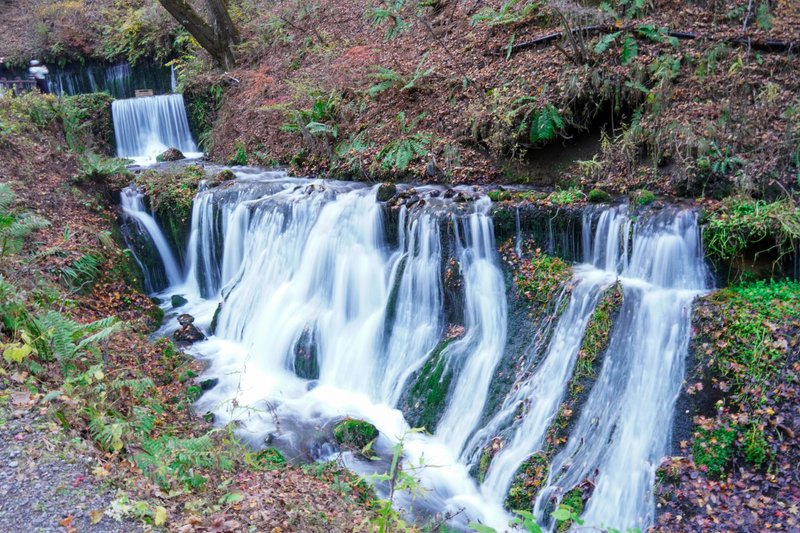
Explore JapanKaruizawa sits on a volcanic plateau in Nagano Prefecture, an hour by Shinkansen from Tokyo Station. The town became Japan's first Western-style summer retreat in the 1880s when Canadian missionaries discovered its cool highland climate. That heritage persists in the tree-lined avenues of the Kyu-Karuizawa district, where weathered timber villas stand alongside contemporary architecture. The nearby Onioshidashi lava formations and Mount Asama's brooding silhouette anchor the landscape in geological drama.
The culinary scene reflects both the town's international pedigree and its highland terroir. Local producers supply high-altitude vegetables, Shinshu beef, and dairy from neighboring farms. Coffee culture thrives here — roasters work in converted storehouses, and bakeries draw weekend crowds from Tokyo. In winter, the area transforms into a ski destination, while autumn brings spectacular foliage along the Usui Pass.