


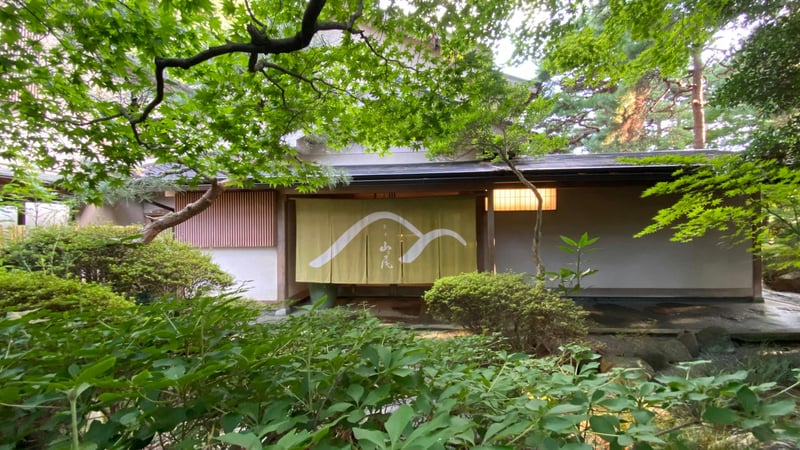
Perched on a quiet hill above Higashi Chaya District, this adults-only ryokan operates just four rooms under a fifth-generation philosophy of 'one guest, one pavilion.' The vermillion-walled Yayoi room gazes down upon the district's iconic bengara lattices, while Shirasagi offers sweeping views across the castle town. Rosanjin once frequented these grounds; his doctrine of honoring natural flavors still shapes the Kaga cuisine served in private garden-facing rooms.
Kanazawa Travel Guide: Best Hotels, Restaurants & Experiences 
Explore Kanazawa
Hotels (9)

Tucked into the rural landscape of Tonami in Toyama Prefecture, Rakudo An operates as an adults-only ryokan where silence and simplicity define the guest experience. The intimate property forgoes the bustle of family-oriented accommodations, instead cultivating an atmosphere of unhurried calm suited to travelers seeking contemplative escape. Traditional Japanese hospitality unfolds here without distraction, amid the quiet rhythms of the countryside.

An adults-only retreat in Kanazawa's historic quarter, Asadaya operates as a traditional ryotei ryokan where kaiseki dining and onsen bathing follow centuries-old protocols. The intimate scale—just a handful of rooms—ensures unhurried service and genuine tranquility. Travelers seeking an unfiltered immersion in Japanese hospitality, away from family-oriented properties, find here an atmosphere of refined seclusion and cultural authenticity.

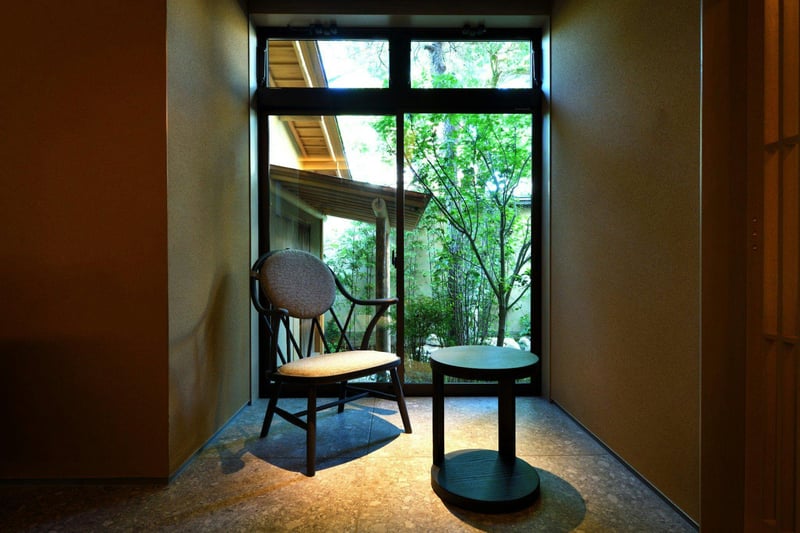
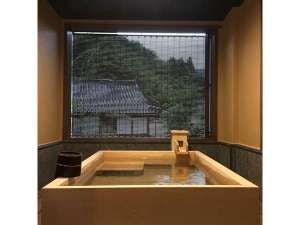
Born from a beloved Kanazawa restaurant, this four-suite Japanese auberge channels the spirit of Kaga kaiseki into an intimate residential format. Each suite—spanning 90 to 100 square metres—features a private open-air onsen and dedicated dining room where dishes arrive fresh from the on-site kappo restaurant Tsuru Kō Chishin-an. Design concepts range from Italian stone floors against juraku plaster walls to a meditative black-lacquered chamber; the detached Chihaku suite, converted from a traditional kura storehouse, welcomes families and offers in-room chef service.

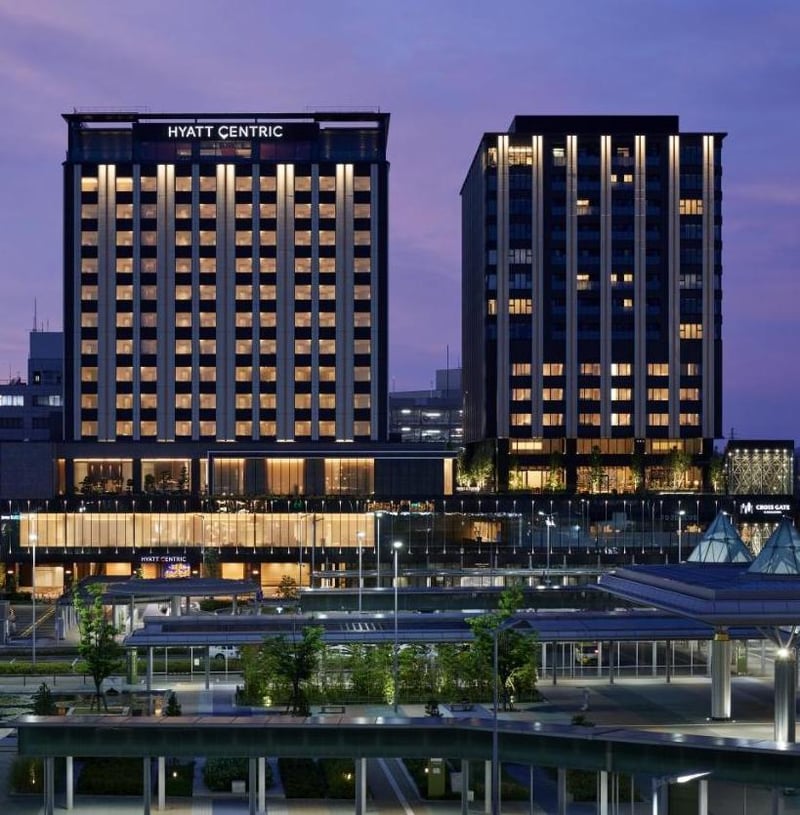
Boutique-chic interiors and bold graphic design give this 253-room contemporary hotel an unmistakably youthful energy, yet references to Kanazawa's geisha and samurai legacy thread through every detail. Five, the all-day grill and lounge, plates tapas-inflected dishes rooted in local flavors, while the 14th-floor Roof Terrace Bar frames the city through floor-to-ceiling windows and an open-air deck. A landscaped garden adds a rare pocket of green.

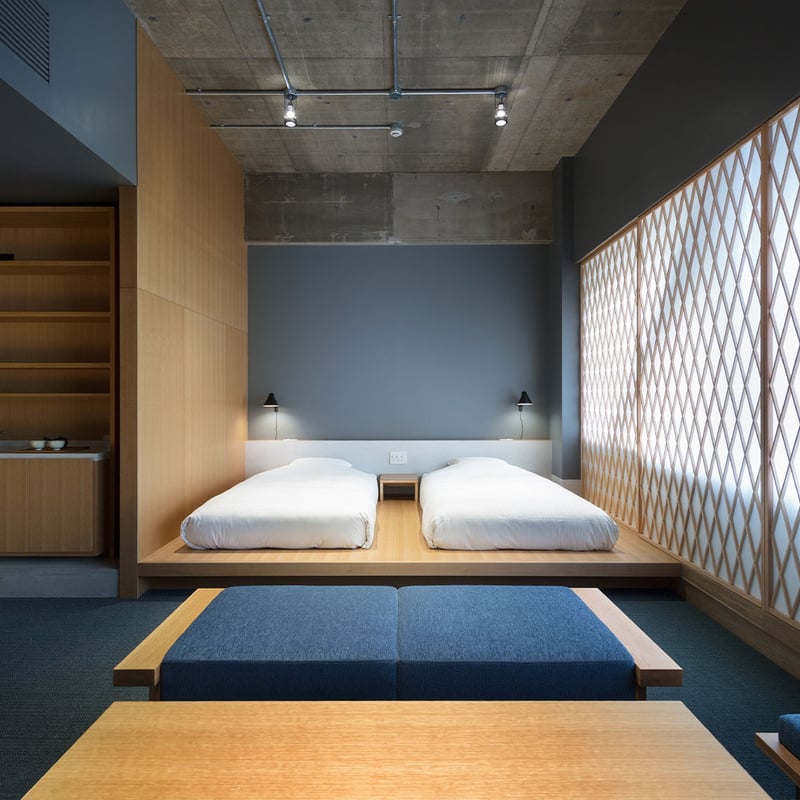
Bare concrete walls and post-industrial aesthetics give this 47-room property an edge rarely found outside major cities. Traditional tatami rooms receive a strikingly contemporary treatment, while bathrooms channel futuristic minimalism. A tea salon serves as the social anchor, offering light fare from midday through evening, and a rooftop deck provides open-air respite. Design-conscious travelers will find sophistication that rivals Tokyo's best.

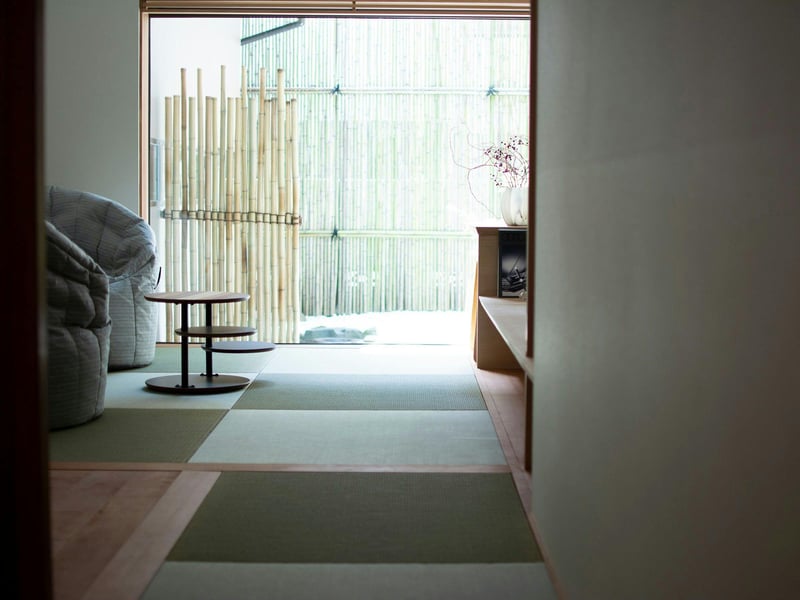
Limiting occupancy to four guest groups daily, this intimate auberge cultivates exclusivity through architectural variety—from the YUZEN detached room with its courtyard-facing bath to KAGAYAKI's lattice doors and shoji screens. The on-site Higashiyama Wakon delivers counter-style kaiseki rooted in Kanazawa's culinary traditions, while partnerships with local ryotei and sushi establishments reward longer stays with deeper gastronomic immersion. Adults only.

Tucked into Kanazawa's historic Yuwaku hot spring district, Kokorian operates as an adults-only retreat where traditional onsen culture takes center stage. The intimate scale ensures unhurried access to mineral-rich thermal baths, while the absence of younger guests preserves a contemplative atmosphere throughout. Couples and solo travelers seeking authentic Japanese bathing rituals without family-resort bustle will find this property particularly well-suited.

A 150-year-old former samurai residence with literary pedigree—once home to Tokuda Shusei, one of Kanazawa's celebrated writers—this two-room machiya accepts just two groups daily. Original wooden pillars and beams frame rooms with private onsen baths overlooking traditional gardens, while morning brings breakfast in an atmospheric converted kura storehouse. An intimate base for travelers seeking historic character minutes from Kenrokuen.
Frequently Asked Questions
What are the main historic districts to explore in Kanazawa?
+
Three districts define the city's heritage character. Higashi Chaya, the largest geisha quarter, features wooden teahouses dating to 1820 where performances continue today. Nagamachi preserves samurai residences with their distinctive mud walls and private gardens. Kazuemachi, the smallest chaya district, runs along the Asano River with photogenic canal views and converted townhouse cafés.
When is the best season to visit Kanazawa?
+
Each season offers distinct appeal. Spring brings cherry blossoms to Kenroku-en garden in early April. Autumn colours peak from mid-November, when the garden's yukitsuri rope structures are installed to protect pine branches from heavy snow. Winter, from December through February, delivers fresh crab season and the chance to see the garden blanketed in white — though accommodation books quickly during this period.
How does Kanazawa's food scene differ from other Japanese cities?
+
Proximity to the Sea of Japan shapes the local cuisine distinctly. Nodoguro, a prized fatty fish, appears grilled, as sashimi, or in rice bowls at Omicho Market stalls. Kaga cuisine, the region's formal cooking style, emphasizes fifteen designated heritage vegetables and draws from centuries of feudal-era refinement under the wealthy Maeda domain. Jibuni, a duck and wheat-gluten stew thickened with flour, remains a signature dish found nowhere else.
Nearby Destinations
Explore Japan


Kanazawa
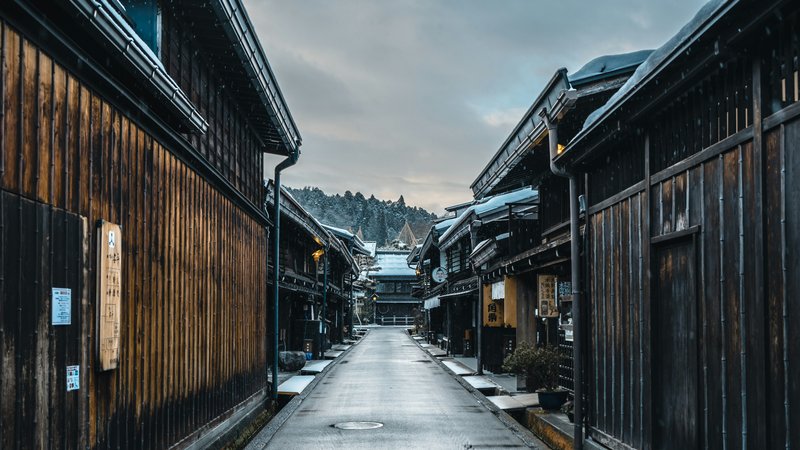
Kanazawa escaped wartime bombing, leaving its samurai and geisha districts remarkably intact. The Higashi Chaya quarter still operates as it did in the Edo period, with ochaya teahouses serving wagashi sweets behind latticed wooden facades. Nagamachi's earthen walls and private gardens once belonged to the Maeda clan's retainers; today, several have been converted into intimate accommodations where guests sleep on futons laid over tatami, waking to kaiseki breakfast trays.
The city's culinary identity draws from both mountain and sea. Omicho Market supplies chefs with nodoguro (blackthroat seaperch), sweet shrimp, and winter crab from the Sea of Japan, while Kaga vegetables — a collection of fifteen heritage varieties — appear in everything from tempura to pickles. Coffee culture has taken hold in converted machiya townhouses around the 21st Century Museum of Contemporary Art, where third-wave roasters share narrow streets with Kutani ceramics workshops and gold-leaf ateliers that supply 99% of Japan's production.