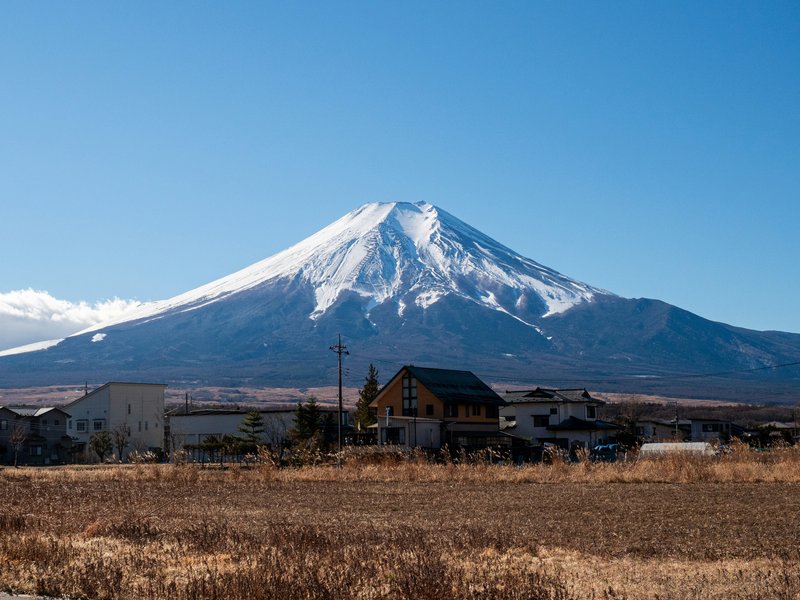
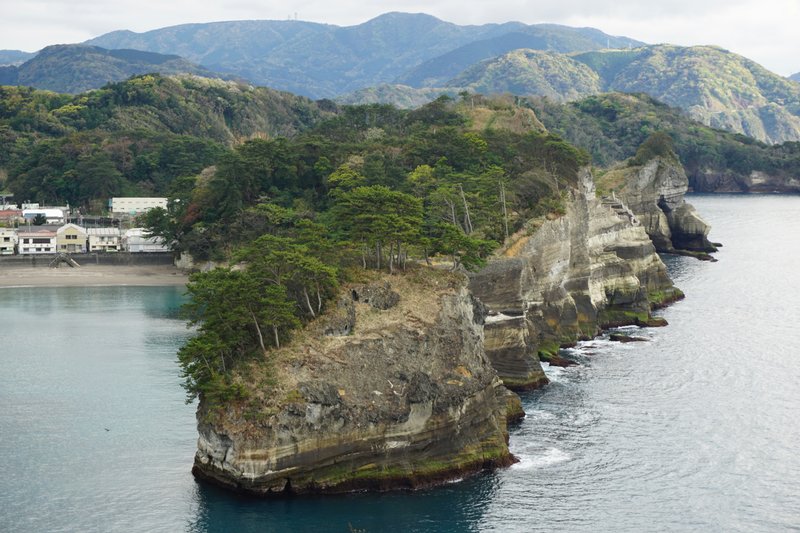
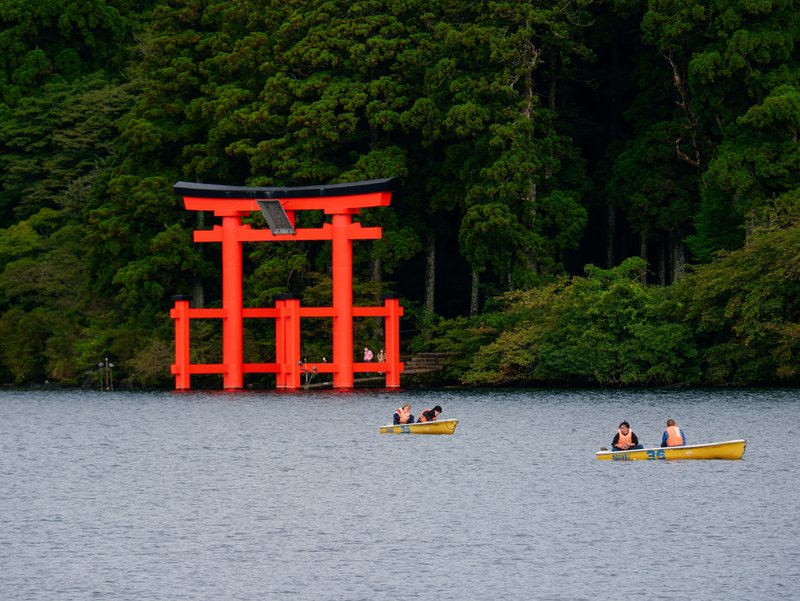
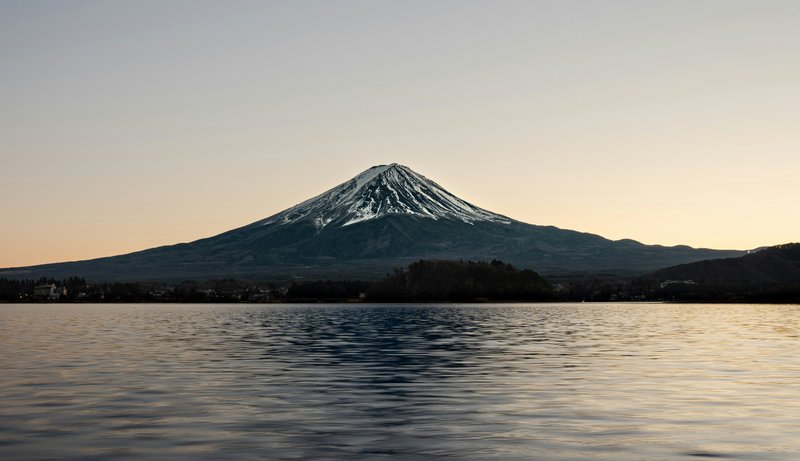
Once a retreat for the imperial family, this ryokan commands unobstructed views of Mount Fuji from its forested perch near the volcano's base. The architecture layers Zen gardens, shoji screens, and a striking pillar corridor within a contemporary shell. Four restaurants explore kaiseki, kappo, teppanyaki, and sushi, each drawing on local terroir. An onsen, hammam, and heated indoor pool complete the offering—ideal for families seeking traditional refinement with modern comfort.
Where to Stay
This storied Shizuoka retreat, where Marilyn Monroe once honeymooned, commands the Pacific coastline with two championship courses—Fuji and Oshima—threading through forested terrain above the sea. Floor-to-ceiling windows in the refined guestrooms capture Mount Fuji floating beyond the water, while a thermal bath house offers restorative soaks with ocean panoramas. French and Japanese dining complete the experience for golf-devoted travelers seeking coastal grandeur.
Perched two thousand feet above Lake Toya's volcanic crater, this Hokkaido resort commands panoramic views of the circular lake and its central island—a setting dramatic enough to host the 2008 G8 summit. The 386 rooms favor contemporary minimalism in their 'premier' configuration, while an on-site onsen, spa with jacuzzi and sauna, and ski rental cater to active travelers seeking alpine refinement.
A single-room mountain retreat on Shizuoka's forested fringes, B&B Itadaki delivers complete privacy through striking modern-rustic architecture. The lone guest suite opens onto an outdoor hot tub surveying endless wooded hillsides. Owners with deep culinary roots prepare refined breakfasts and optional private dinners that match the setting's caliber—an intimate escape for travelers seeking seclusion without sacrificing sophistication.
Where to Eat
Four distinct dining rooms occupy this former imperial ryokan at the base of Mount Fuji, each presenting a different facet of Japanese gastronomy. Kaiseki and kappo menus draw directly from the mountain's terroir—its mineral-rich waters and volcanic soils shaping every course—while teppanyaki and an extensive sushi counter offer livelier alternatives. Through shoji screens, the snow-capped peak presides over every meal.
What to Do
Aromatic herbs greet visitors at the threshold of Kadan Spa, where natural hot springs cascade through volcanic rock into open-air pools. The mineral-rich waters, drawn from the Fuji-Hakone region, work alongside traditional Japanese massage techniques to restore weary travelers. A heated indoor pool, jacuzzi, and hammam round out the facilities, all framed by views of snow-capped Mount Fuji through the surrounding forest.
Frequently Asked Questions
When is the best season to visit Shizuoka's tea plantations?
+
The first harvest, shincha, occurs from late April through May, when the hillsides turn vivid green and tea houses offer fresh-picked brews. Autumn brings clearer Fuji views and fewer visitors, while winter mornings produce the sharpest mountain panoramas from Nihondaira.
What local specialties should visitors try in Shizuoka?
+
Sakura ebi — tiny pink shrimp from Suruga Bay — appear fried as kakiage or served raw over rice. Freshly grated wasabi from the Abe River valley accompanies soba and sashimi, while shizuoka oden features dark broth and fish-cake skewers dusted with dried sardine powder.
How accessible is Mount Fuji from Shizuoka city?
+
The Fujinomiya 5th Station trailhead sits roughly ninety minutes by car from central Shizuoka, making it the closest major city to Fuji's southern slopes. Nihondaira, only twenty minutes from downtown, provides sweeping views without the climb.
Nearby Destinations
Explore JapanShizuoka stretches along Suruga Bay with Japan's most celebrated tea-growing slopes rising behind it. The city developed as a castle town under Tokugawa Ieyasu, who retired here in the early 1600s, and that measured pace persists in its tree-lined avenues and unhurried rhythm. Sengen Shrine draws visitors up stone steps through cryptomeria forest, while Nihondaira plateau offers the iconic Fuji silhouette across terraced hillsides.
The drinking culture here revolves around tea rather than coffee — family-run shops along Chiyoda and Gofukucho streets sell leaves from Makinohara and Kawane, often brewed tableside. Restaurants serve sakura ebi, the translucent pink shrimp pulled from Suruga Bay, alongside shirasu whitebait and wasabi grown in cold mountain streams. Hotels range from contemporary towers near Shizuoka Station to hillside ryokan with private onsen baths overlooking the bay.