Chef Daniel Ochoa forages the Sierra de Guadarrama's slopes to shape his evolving 'wild cuisine,' personally delivering each plate with its story. The rustic-contemporary dining room—natural wood, open kitchen, fireplace warmth—frames dishes like his celebrated tripe, arguably Madrid's finest, and an inventive pepitoria pairing milk cap mushrooms with sea urchins. One Michelin star confirms the mountain-to-table philosophy.
Where to Eat
A Bib Gourmand address in the Sierra de Guadarrama foothills, Malabar Bistró Nómada occupies a townhouse with a welcoming patio-terrace and unpretentious interior. The kitchen sources rigorously from the region—seven-year-old ox from Buitrago de Lozoya becomes tender meatballs, while red tuna arrives with pepper-spiked butter. Flexible portions encourage sharing, and an exotic accent threads through each precisely plated dish.
Stone walls frame a dining room where modern technique meets Castilian tradition at Charolés, a Michelin Plate address near El Escorial. The kitchen follows seasonal rhythms, though regulars time visits around the hearty cocido stew—available only Mondays, Wednesdays, and Fridays. This signature dish alone warrants planning, offering a taste of mountain gastronomy at accessible prices.
Behind a discreet façade in Colmenar Viejo, El 22 delivers modern fusion cooking with unexpected range—stews and game share billing with tiraditos, kimchi, and fragrant curries, while small plates chart a global course through carefully sourced ingredients. The wine list favors obscure bottles worth discovering, and both executive and tasting menus make this culinary wanderlust accessible to curious palates exploring beyond the capital.
Two meticulously restored railway carriages—Vagón 1931 and Vagón Alfonso XIII—form the dining rooms of this singular address near Hoyo de Manzanares's Plaza Mayor. The recreation of an old station extends to platform-side tables, setting a theatrical stage for updated traditional Spanish cooking. Tasting menus and à la carte options reward couples seeking romance with an imaginative backdrop.
Chef Rubén Amro, a Bocuse d'Or Europe competitor and multiple Spanish culinary award winner, commands this glass-fronted pavilion within La Torre Box Art hotel's gardens. His kitchen bridges traditional Spanish cooking with Asian accents—the liquid cocido fritters, a playful deconstruction of Madrid's iconic stew, deserve particular attention. A tasting menu rounds out the à la carte for those seeking deeper exploration.
Steps from La Jarosa reservoir, this family-run address draws Madrid escapists to its rustic-minimalist dining room and chillout terrace. The kitchen pivots confidently between Spanish classics—char-grilled meats, slow-cooked rice dishes, an expansive tapas roster—and unexpected Japanese-inflected plates. The Michelin Plate holder rewards those seeking substance over spectacle in the Sierra de Guadarrama's wooded calm.
What to Do
Within a restored 17th-century palace, the Helguera spa centers on an indoor-outdoor pool flooded with natural light and framed by sweeping views across the Pas Valley. Guests move between sauna, hammam, and jacuzzi before settling into organic treatments—clay wraps and essential oil massages—administered in spaces where a grand fireplace anchors the landscape-facing wellness pavilion.
Frequently Asked Questions
When is the best season to visit the Guadarrama mountains?
+
Late spring brings wildflower meadows and comfortable hiking temperatures, while autumn offers mushroom foraging and golden larches. Winter draws skiers to Navacerrada and Valdesquí, and summer provides relief from Madrid's heat, though weekends can be crowded with day-trippers from the capital.
Which villages in the sierra offer the most authentic mountain atmosphere?
+
Rascafría in the Lozoya Valley combines the monastery of El Paular with traditional granite architecture and access to forest trails. Cercedilla retains its early twentieth-century character as a railway village, while Manzanares el Real sits beneath its medieval castle with views across the reservoir.
What traditional dishes should visitors try in the Guadarrama region?
+
The area specializes in Castilian highland cuisine: cordero asado (roast lamb) cooked in wood-fired ovens, judiones de La Granja (giant white beans), and seasonal wild mushrooms including níscalos and boletus. Local honey from the sierra and aguardiente digestifs complete traditional meals.
Nearby Destinations
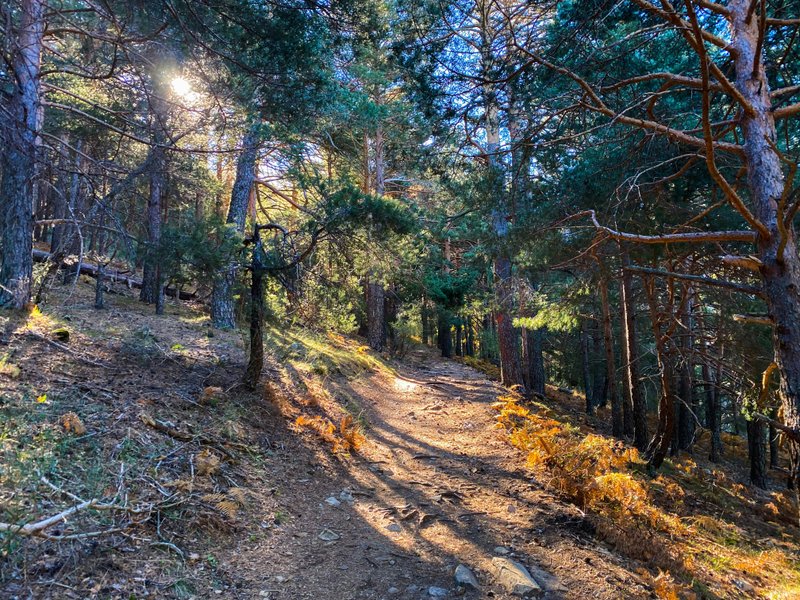
Explore SpainThe granite peaks of the Guadarrama range rise barely an hour north of Madrid, yet the atmosphere shifts entirely once you climb past the pine forests. Villages like Cercedilla, Navacerrada, and Rascafría have long served as summer retreats for madrileños escaping the meseta heat, their stone architecture and mountain air offering a counterpoint to the capital's intensity. The monastery of El Paular, founded in the fourteenth century, anchors the Lozoya Valley with its Carthusian silence and surrounding meadows.
Dining here follows the rhythms of Castilian mountain cooking: slow-roasted lamb, judiones de La Granja, wild mushrooms gathered from autumn forests. The ski station at Navacerrada and the hiking routes through the national park draw weekend crowds, but midweek the trails empty and the villages return to their unhurried pace. This is countryside Spain at altitude, where granite, pine, and cold streams define the landscape.