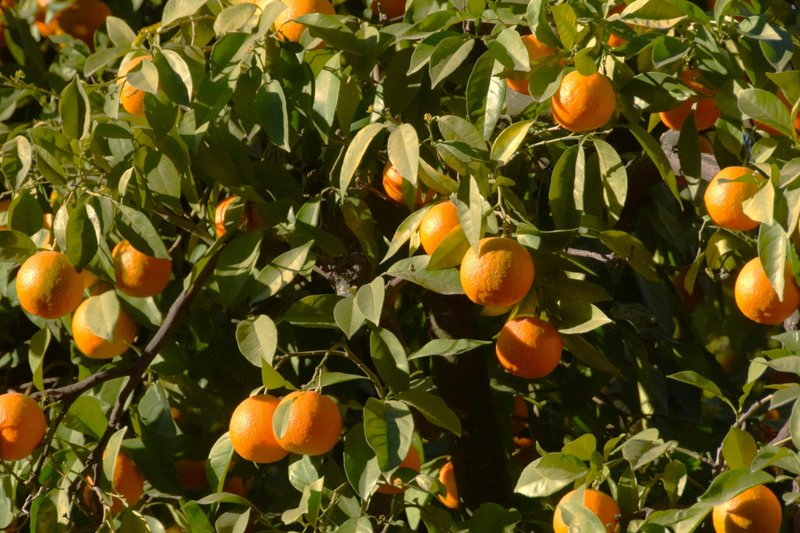
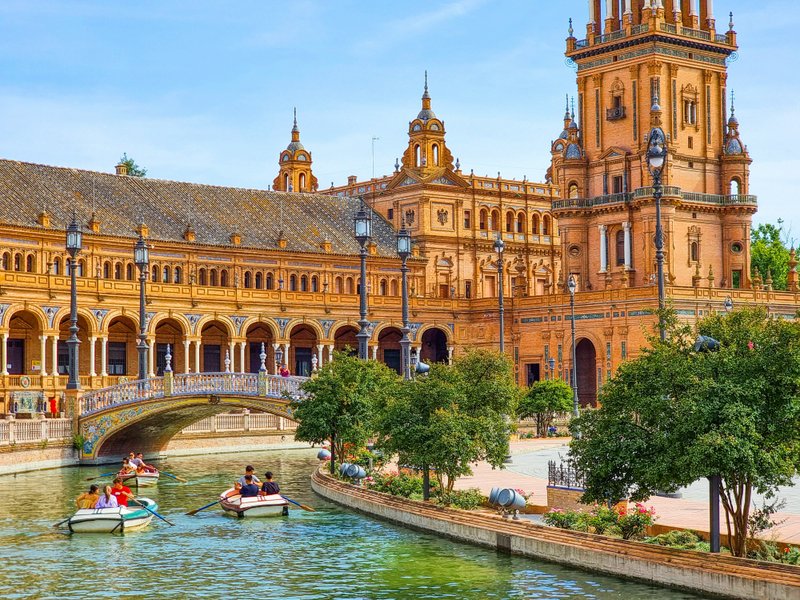
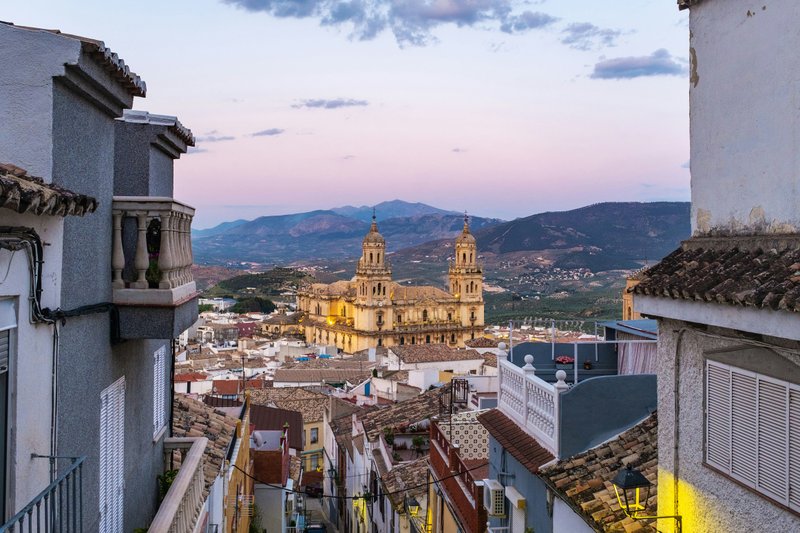
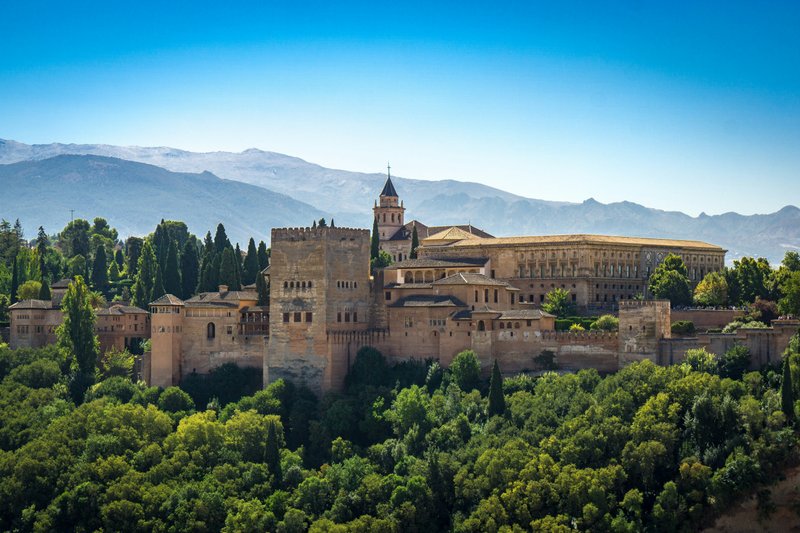
A glass atrium floor reveals Roman ruins beneath this centuries-old mansion, where hacienda architecture meets Moorish manor styling through ancient stone arches and faded frescoes. The underground spa draws on those archaeological echoes with its Roman baths design, while above ground a courtyard pool sits shaded by citrus trees and old palms. Modern-Spanish cuisine arrives in crisp contemporary spaces—romantic rather than family-focused.
Where to Stay
A 1928 palace on Plaza de las Tendillas, its twin decorative towers and four-story façade now house 102 rooms dressed in Scandinavian minimalism—pale wood floors, neutral tones, Japanese bathroom fittings. The original Andalusian patio survives at street level, while upstairs, suites open onto private terraces facing the UNESCO-listed old town. The rooftop bar, with its Mosque-Cathedral views, draws sunset crowds for tapas and cocktails.
Córdoba's sole government-designated monument hotel occupies an 18th-century chapel, its six rooms threaded through adjacent historic buildings. Guests sleep above an ancient well's exposed foundation or between original 1700 stone walls, while the terrace suite offers a plunge pool with Mosque-Cathedral views. Morning brings an unexpected ritual: breakfast served on the chapel's original altar beneath vaulted ceilings.
Two 18th-century palaces in Córdoba's old Jewish quarter now house this 108-room property, their Moorish courtyards preserved for al fresco dining and evening drinks. Rooms blend contemporary design with original stone walls; the fortunate few catch views of the mosque-cathedral's tower rising above the rooftops. A seasonal rooftop pool, garden with library, and proximity to the Roman bridge complete the picture for history-minded travelers.
Where to Eat
Named for the Arabic word meaning light, Noor honors Córdoba's luminous heritage under Caliph Abd al-Rahman III through chef Paco Morales's historically-rooted tasting menus. Each season explores a different era—currently the 18th century through three distinct progressions: Tanwer, Thawra, and Taqadum. Signature creations include white sesame karim with desert caviar and a carob tart shaped as an eight-pointed star. Three Michelin stars.
Chef Kisko García's one-starred table channels the flavours of his Andalucían childhood—Valle de Los Pedroches ham, seasonal produce from Villanueva de Córdoba—through two tasting menus named Barrio Antiguo and after the chef himself. The ritual begins with an aperitif amid the kitchen's theatre before guests settle into an elegantly spare dining room. Wine pairings reward those who surrender to the full progression.
Chef Periko Ortega holds a Michelin star at this residential-quarter address, where dinner begins at the bar with playful appetizers themed around the day's four meals. The kitchen rotates three tasting menus—Recuerdos, Memoria, Nostalgia—each built on memory and misdirection. Signature mazamorra honors Córdoba's traditions, while artisanal bread arrives with more than twenty olive oils for comparison.
Chef Celia Jiménez, a respected figure in Spanish gastronomy, brings Andalucian cooking into sharp contemporary focus at her eponymous restaurant. The unlikely setting—Córdoba's largest sports complex—belies the refined plates within, where regional traditions receive modern technical treatment and precise presentation. A Michelin Plate holder, this address rewards those seeking authentic local cuisine through a decidedly current lens.
The former residence of legendary bullfighter Manolete now hosts chef Juanjo Ruiz's obsessive exploration of Cordoban tradition—he has developed more than 600 variations of salmorejo alone. Guests dine in refined period rooms or beneath the sky in a central patio, choosing between à la carte dishes and a tasting menu that channels Andalusian terroir through a contemporary lens.
Inside a century-old mansion in Puente Genil, a glass-roofed central patio frames a fountain modeled after Granada's Generalife gardens. Chef Ezequiel Montilla's Bib Gourmand kitchen draws on local vegetables, Montilla-Moriles wines, and Valle de Los Pedroches meats, channeling them through two tasting menus—Riad and Medina—that trace culinary routes across Spain, Morocco, and Europe.
Away from Córdoba's tourist center, El Envero has built a devoted following for its contemporary seasonal cooking. The kitchen sources organic vegetables from local gardens and showcases various tuna preparations, while media-ración portions and daily specials allow flexible exploration of the menu. Guests choose between a modern tapas bar, main dining room, or private space—the Bib Gourmand recognition confirming exceptional value throughout.
Chef Carlos Fernández has built his Bib Gourmand kitchen around the legendary Iberian pork of the Los Pedroches valley, sourcing acorn-fed cuts like pluma and presa alongside vegetables from the restaurant's own garden. The modern à la carte and two tasting menus—De Temporada and Nuestra Dehesa—deliver refined regional cooking with a sense of playfulness, making the detour to Pozoblanco entirely worthwhile.
Brothers Narciso and Paco named their restaurant after the Spanish tradition of dishes eaten with a spoon—a childhood passion now expressed through Bib Gourmand-recognized cooking. The kitchen delivers Cordoban classics with contemporary precision: silky salmorejo, crisp veal croquettes, golden flamenquín, and slow-braised oxtail. Daily specials follow market rhythms, while the renovated two-floor dining room accommodates both casual lunches and leisurely evening meals.
Born from a family grocery store in Almodóvar del Río, this Bib Gourmand address channels generations of Cordoban culinary memory into a classic dining room. The namesake croquettes remain essential, but the kitchen's crowning achievement is its mazamorra—the thick, ancient cold soup considered salmorejo's ancestor. Regional tradition served without pretense, at prices that respect both craft and guest.
Frequently Asked Questions
When is the best time to visit Córdoba for pleasant weather?
+
Spring (April-May) and autumn (September-October) offer ideal temperatures in the mid-20s Celsius. May brings the famous Festival de los Patios when private courtyards open to the public, transforming the city into a living flower exhibition. Summer temperatures regularly exceed 40°C, making July and August challenging for extended sightseeing, though mornings and late evenings remain manageable.
Which neighborhoods should I explore beyond the Mezquita area?
+
San Basilio, southwest of the Alcázar, preserves the patio culture with less foot traffic than the Judería. San Lorenzo and Santa Marina to the northeast feel genuinely residential, their parish churches fronting quiet plazas where locals gather. The Ribera district along the Guadalquivir offers evening strolls past converted mills, while the Plaza de la Corredera provides a counterpoint to Moorish architecture with its distinctly Castilian colonnades.
What local dishes and drinks define Córdoba's food scene?
+
Salmorejo, garnished with jamón and hard-boiled egg, is the essential starter. Flamenquín—a rolled pork loin stuffed with ham, breaded and fried—originated here, as did berenjenas con miel (fried aubergines with honey). Montilla-Moriles wines, particularly the dry fino and amontillado styles, deserve attention: produced using methods similar to Jerez but from Pedro Ximénez grapes grown in chalky albariza soils twenty kilometers south of the city.
Nearby Destinations
Explore SpainThe Judería's whitewashed lanes wind past wrought-iron balconies dripping with geraniums, opening suddenly onto private courtyards where fountains murmur beneath orange trees. Many of the city's most distinguished addresses occupy restored medieval houses, their thick stone walls keeping rooms cool through Córdoba's fierce summers. The Mezquita's bell tower rises above terracotta rooftops, visible from rooftop terraces where guests take breakfast within sight of the Roman bridge spanning the Guadalquivir.
Beyond the historic quarter, the dining scene draws on Córdoba's position at Andalusia's agricultural crossroads. Salmorejo—the cold tomato soup thicker and silkier than gazpacho—appears on nearly every menu, while rabo de toro (oxtail stew) reflects the city's ties to cattle country. The Plaza de la Corredera's arcaded square hosts morning markets and evening tapas crawls, its Habsburg-era facades lit amber after dark. Local Montilla-Moriles wines, similar to sherry but uncredited beyond the region, pair with jamón from the Sierra Morena foothills to the north.