Spread across a thousand-acre olive estate in the Sierra de Loja foothills, this Andalusian retreat takes the form of a whitewashed Moorish village—arched walkways threading between courtyards, 73 generously scaled suites opening onto private terraces. The Michelin-starred La Finca anchors a serious culinary program, while the spa's Turkish bath and Natura Bissé treatments reward those seeking unhurried restoration between horseback rides and poolside afternoons.
Explore Malaga
Where to Stay
A fixture of Marbella's beachfront since the 1960s, Gran Meliá Don Pepe commands a prime Mediterranean position where pine-scented gardens slope toward luminous pools and golden sand. The dining program draws particular acclaim, while families benefit from a dedicated kids' club, babysitting services, and interconnecting suites. Smart crowds return season after season for this polished coastal retreat.
Goddard Littlefair's interiors channel Andalusia's Moorish heritage through sweeping horseshoe arches, local stone masonry and intricate tilework throughout this 135-room coastal retreat. The Spa by Champneys delivers signature British wellness treatments across seven rooms, while Amù Beach Club offers infinity-pool lounging and direct access to Playa del Real de Zaragoza. Cultural immersions—olive oil tastings, Sierra de las Nieves hikes, flamenco sessions—anchor the experience firmly in its region.
Once a playground for Princess Diana and the Rolling Stones, La Zambra has been reborn as a sun-drenched Andalusian retreat. The cloister-like grounds unfold through white courtyards, elegant archways, and palm-shaded fountains, while two Robert Trent Jones Sr. golf courses stretch toward the Sierra de Mijas. Five restaurants—including the beachside La Bartola—draw on San Sebastián culinary traditions, and a vaulted spa offers Turkish baths between yoga sessions.
Two 18th-century buildings—a palace and adjoining mansion—unite under one roof in Málaga's old town, their interiors faithfully restored to period elegance across 116 rooms. The Tower suite claims the prime position: private terrace, sweeping city views. Below, Balausta restaurant serves seasonal Andalusian plates in a stone-columned courtyard, while the rooftop pool and La Terraza bar face Santiago Church's bell tower. A polished base for families and design-minded travelers alike.
ME Málaga occupies a prime position on Calle Victoria, its rooftop pool offering panoramic views over the city and Mediterranean beyond. The property welcomes four-legged companions alongside their owners, while on-site dining options and a bar eliminate the need to venture far. Round-the-clock room service and a well-equipped gym cater to guests who prefer their routines uninterrupted by travel.
Rising above Málaga's historic centre, this half-century-old tower has aged gracefully through thoughtful modernisation, its clean-lined rooms and attentive service maintaining loyal guests across generations. The rooftop delivers the real draw: a swimming pool, bar, and restaurant wrapped in panoramic views stretching from the port to the cathedral. Interconnecting rooms and extra beds make it practical for families exploring Andalucía's coastal capital.
Adults-only and unapologetically festive, Amàre Marbella commands a seafront position along Marbella's coast, its beach club spilling onto the sand below. The four-star property embraces Mediterranean minimalism throughout—crisp white interiors, sun-flooded spaces, rooms stripped to stylish essentials. Evenings migrate upward to the rooftop cocktail bar, where creative drinks and coastal views set the tone for guests sixteen and older seeking polished hedonism.
A 1950s icon reborn, El Fuerte Marbella anchors the town's contemporary renaissance with boutique-scaled rooms shaped by one of Spain's leading designers. The beachfront setting frames an animated culinary program rooted in Andalucian tradition, from grilled catch to regional tapas. Families find flexibility in interconnecting suites, while pet-friendly policies extend the welcome to four-legged companions.
Old Hollywood glamour infuses every corner of this seafront grande dame, from the palm-studded courtyard to the sweeping Mediterranean views. The Miramar channels full-throttle Riviera elegance with a contemporary polish, making it a magnet for travelers seeking theatrical seaside grandeur. Families benefit from connecting rooms with sofa beds, a dedicated children's pool, and a summer kids' club.
Where to Eat
Perched on the fourth floor of the Palacio de la Aduana, an 18th-century neoclassical landmark now housing the Museum of Malaga, Blossom holds one Michelin star for its inventive Andalusian cooking threaded with South American accents. Chef Emi Schobert, a two-time Bocuse d'Or competitor for Argentina, channels his Buenos Aires roots through dishes like ceviche brightened with ají amarillo tiger's milk. Two tasting menus—nine or fifteen courses—unfold with theatrical presentation and optional wine pairings.
Overlooking the gleaming yachts of Muelle Uno, José Carlos García's one-starred restaurant presents an industrial-chic dining room softened by vertical gardens. The Málaga-born chef eschews à la carte entirely, offering two evolving tasting menus that draw roughly seventy percent of ingredients from local producers. Each course channels traditional malagueño flavours through a contemporary lens—ideal for gastronomes seeking the city's most refined culinary expression.
Named for the Sephardic word for alley, Kaleja occupies a narrow street in Málaga's historic Jewish quarter, steps from the Picasso Museum. Chef Dani Carnero works over a wood-fired grill, his 'candle cooking' technique coaxing subtle smoke into reimagined Andalucian recipes from his childhood. The local gazpacho de floja arrives with trout roe and almonds—a one-starred kitchen honoring tradition through flame.
Steps from Atarazanas market, chef couple Cristina Cánovas and Diego Aguilar have built their Michelin-starred table around a 'Dual Cuisine' philosophy—reflected in two contrasting dining rooms, one black with an open kitchen, one pristine white. The seasonal tasting menus Alcazul and Palodú deliver precisely layered compositions, including a signature red mullet sequence with gazpachuelo and potato that rewards counter seating for the full theatrical experience.
A couple's devoted pursuit of 'meridian cuisine' drives this Plaza de las Flores address, where southern Mediterranean traditions find refined expression. Rice commands attention here—shell-free preparations with monkfish and white prawns, Alicante-style versions enriched with wild-caught fish, hearty bowls pairing Angus beef cheek with chickpeas. The Meridiano Cero and Virazón tasting menus offer structured explorations, while the terrace provides an unhurried setting worth booking ahead.
Barcelona-born chef Miguel Ángel Mayor draws on his Andalucian heritage to craft two surprise tasting menus—Recuerdos and Influencias—that revisit traditional Málaga flavors through a contemporary lens. The open kitchen anchors a dining room backed by an impressive cellar of over 1,200 wine references. A destination for gastronomes seeking regional cuisine reimagined with personal, memory-driven storytelling.
Ta-Kumi takes its name from the Japanese words for artisan and maestro—a philosophy evident in every precise cut of fish at the sushi bar. The contemporary dining room, steps from the Alcazaba, frames nigiri of exceptional technique alongside the Matsuri tasting menu, which can be enriched with a Wagyu course. Oriental restraint meets Andalusian warmth in this intimate address for serious Japanese cuisine.
Sixty kilometers into the Axarquía mountains, a modest village bar once run by his grandparents has become chef Víctor Hierrezuelo's canvas. After stages at Arzak and Bardal, he returned to Sedella to reimagine Andalusian classics with contemporary precision, earning a Bib Gourmand distinction. The tasting menu rewards advance planners, while a dessert cryptically named after Antonio delivers the meal's most memorable flourish.
Steps from Málaga's Cathedral, chef Dani Carnero's white-toned dining room strips contemporary cooking to its essentials: local provenance, open-kitchen honesty, and seafood rooted in regional tradition. The Bib Gourmand-recognized menu pivots on dishes like his mother's hake salad—a family recipe turned signature. Bar seating offers front-row views of the brigade, making this an ideal stop for curious palates seeking substance over ceremony.
Behind the hills framing Málaga, an equestrian club harbors this Bib Gourmand address where open-fire cooking defines the experience. The kitchen channels Mediterranean tradition through slow-grilled preparations, letting quality produce from land and sea speak without unnecessary embellishment. A rustic-contemporary dining room maintains the calm of its pastoral setting, though the terrace remains the preferred seat when weather permits.
Frequently Asked Questions
Which neighborhoods in Málaga offer the best hotel locations?
+
Centro Histórico places you within walking distance of museums, tapas bars, and the cathedral, ideal for cultural immersion. La Malagueta suits those prioritizing beach access and seafood restaurants. Soho appeals to design-conscious travelers drawn to its galleries and street art scene.
What is the best time of year to visit Málaga?
+
Spring (April-May) and autumn (September-October) offer warm temperatures without summer crowds. The Semana Santa processions in spring and the Feria de Agosto in mid-August provide cultural events, though the latter brings intense heat and fully booked hotels.
How does Málaga compare to Seville or Granada for a weekend trip?
+
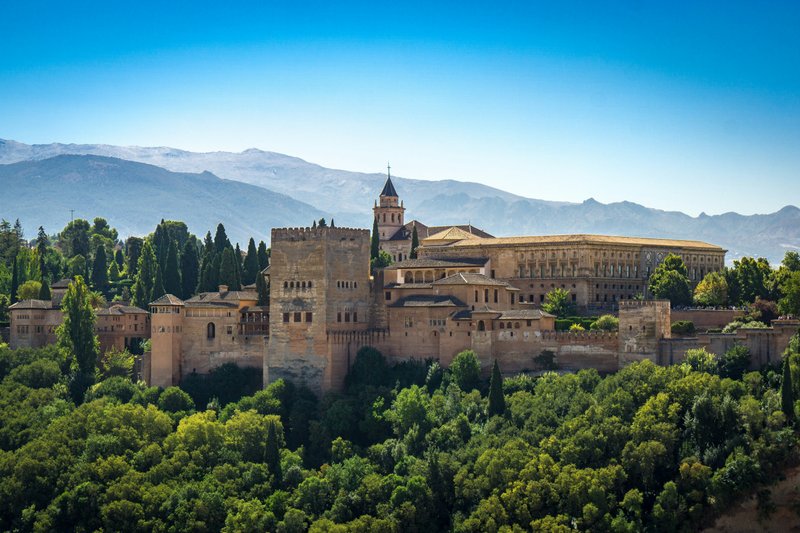
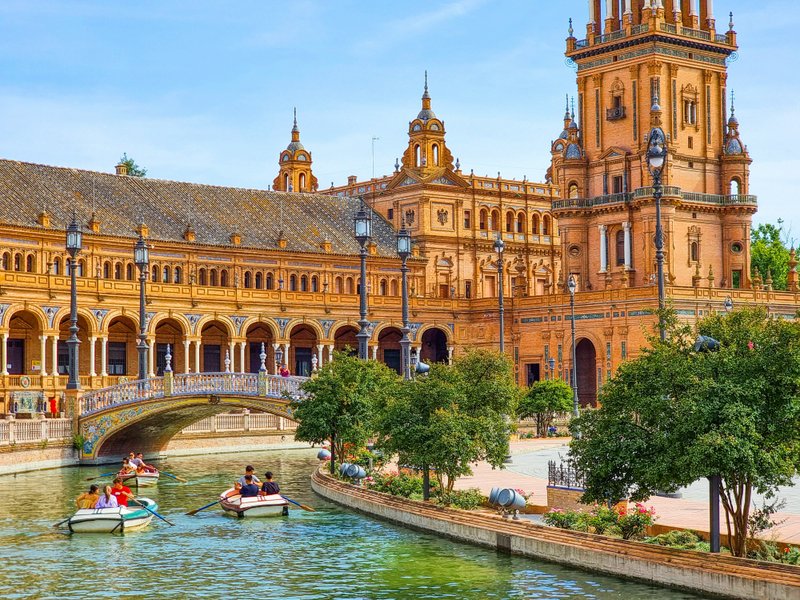
Málaga offers beach access that neither inland city can match, plus a more contemporary cultural scene with its museum cluster. It lacks the monumental scale of Seville's Alcázar or Granada's Alhambra, but its walkable center and Mediterranean setting create a distinct coastal Andalusian experience.
Nearby Destinations
Explore SpainMálaga has shed its reputation as a mere gateway to the Costa del Sol. The city where Picasso was born now draws visitors for its own sake — a compact historic center where Roman theatre ruins sit beneath an 11th-century Alcazaba, where the Soho arts district hosts street murals and contemporary galleries, and where the Muelle Uno promenade offers Mediterranean views alongside converted warehouse restaurants. The Thyssen and Pompidou outposts have cemented its cultural credentials.
The hotel scene reflects this evolution. Properties in the Centro Histórico occupy restored 19th-century buildings steps from Calle Larios, while beachfront establishments along La Malagueta offer a different register entirely. The dining landscape runs from traditional marisquerías serving fritura malagueña to modern tasting-menu restaurants where chefs reinterpret Andalusian ingredients. After dark, the action shifts to rooftop terraces with cathedral views or the chiringuitos that line the eastern beaches.