A seventeenth-century royal manor in the Dão wine country, Valverde Santar pairs gilded chandeliers and master paintings with a spa carved from the original winery—complete with indoor pool, hammam, and sauna. The 21 rooms overlook centuries-old vineyards where oenology courses unfold, while the restaurant mines local terroir for modern interpretations of regional classics. For wine lovers seeking seclusion.
Explore Viseu
Where to Stay
A former royal residence in the Dão wine country, this intimate Relais & Châteaux property retains its aristocratic bearing through gilded chandeliers, original oil paintings, and hand-carved woodwork in formal sitting rooms. The 21 rooms balance period charm with contemporary comfort, while the converted winery houses a spa complete with indoor pool and Turkish bath. Breakfast unfolds in the mansion's atmospheric original library.
Where to Eat
A luminous glass pavilion rises from the Dão vineyards, glowing against the night sky like a modernist beacon. Inside, Chef Diogo Rocha's two tasting menus—Lemos and Chef—build creative compositions on traditional Portuguese foundations, sourcing from the estate's gardens and neighboring small producers. The Michelin Green Star recognizes this commitment to sustainability, while pairings draw exclusively from the property's own cellars, completing a meal shaped entirely by this singular terroir.
Three decades of family stewardship have made this Bib Gourmand address a bastion of Beira Alta cooking. The dining rooms, decorated with wine barrels and oenological artifacts, set the stage for robust regional plates — notably fried octopus with bread-herb crumbs arriving in a copper pot. A wine-hall entrance and on-site Wine Club with direct sales reinforce the house's deep vinous roots.
Chef João Guedes runs this fourteen-seat dining room in Viseu's historic quarter with quiet intensity, sending out surprise tasting menus of five, seven, or nine courses that track the seasons through the Dão region. Bold, imaginative presentations earned Flora a Bib Gourmand, while the wine list favors minimal-intervention and biodynamic bottles—a fitting match for cooking rooted in nature's rhythms.
What to Do
Within a 17th-century manor once linked to Portuguese royalty, the spa occupies a converted wine cellar where a heated pool mirrors centuries-old stone arches. The Dão vineyard heritage informs every detail, from Turkish bath rituals to an ice fountain for contrast therapy. Vinoble Cosmetics treatments harness polyphenol-rich grape oils, delivering anti-aging benefits through massages designed to stimulate cellular regeneration amid this storied setting.
Frequently Asked Questions
What makes Viseu a compelling base for exploring the Dão wine region?
+
The city sits at the geographic center of the Dão demarcated region, with most notable quintas and wine estates within a 30-minute drive. Local restaurants maintain deep cellars of regional producers, and several hotels arrange private tastings at family-run estates not typically open to visitors.
Which neighborhoods offer the best walking experience in Viseu?
+
The medieval quarter surrounding the Sé Cathedral and the adjacent Adro da Sé square rewards slow exploration. The tree-lined Avenida Emídio Navarro connects to the Rossio, the city's main gathering place, while the Fontelo park on the northern edge provides forested paths and views over the city.
How does Viseu's food scene reflect its highland location?
+
Altitude and granite soil shape everything on the table. Rancho à moda de Viseu, a hearty stew of beans and mixed meats, appears on most traditional menus. Local charcuterie relies on mountain air for curing, and bakeries still produce the corn-based broa bread that has sustained the region for centuries.
Nearby Destinations
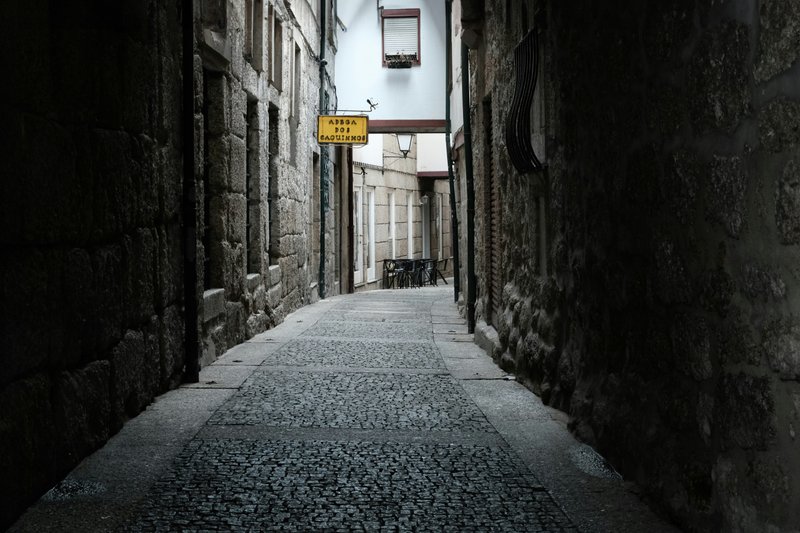
Explore PortugalThe capital of Beira Alta sits on a granite plateau where the Serra da Estrela foothills begin their rise toward Portugal's highest peak. The old town's narrow streets radiate outward from the 13th-century Sé Cathedral, its Manueline cloisters still anchoring the city's civic life. Beyond the medieval core, 19th-century avenues lined with plane trees lead to quintas and manor houses converted into intimate guesthouses, many with terraced gardens overlooking the Dão wine region.
Dining here follows the rhythms of the central highlands: roasted kid from local farms, cured meats from nearby Castro Daire, and cheeses that range from soft Serra da Estrela to aged varieties from surrounding villages. The Rossio square fills each morning with market vendors and café regulars nursing bicas at outdoor tables. The restaurant scene divides between traditional tascas serving regional fare and a newer generation of chefs working with Dão wines and foraged ingredients from the surrounding pine forests.