


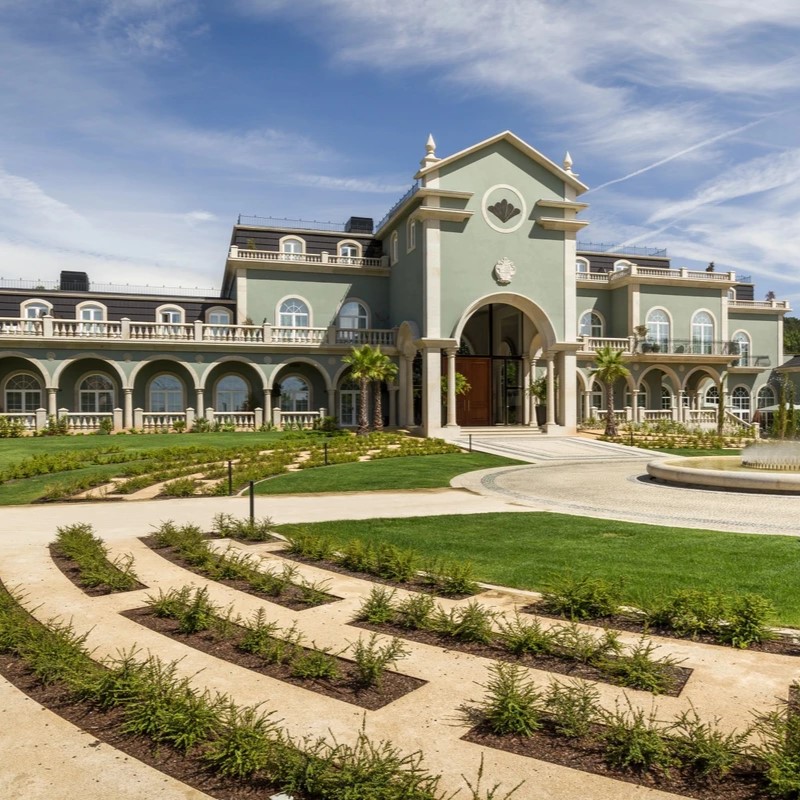
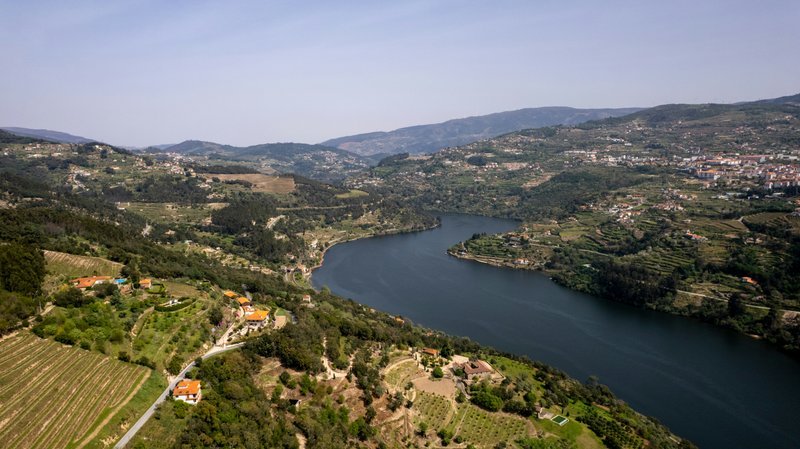
An Art Deco villa designed by Lisbon's Domus Concept, this 26-room retreat overlooks the Cávado valley vineyards just thirty minutes from Porto. Suites stretch to 100 square meters with marble bathrooms and private terraces. The 244-square-meter spa features hammam, sauna, and twin pools, while Michelin-starred chef Julien Montbabut runs the farm-to-table restaurant L'Amoure. The circular R.P.M. bar showcases regional wines against panoramic hillside views.
Braga Travel Guide: Best Hotels, Restaurants & Experiences 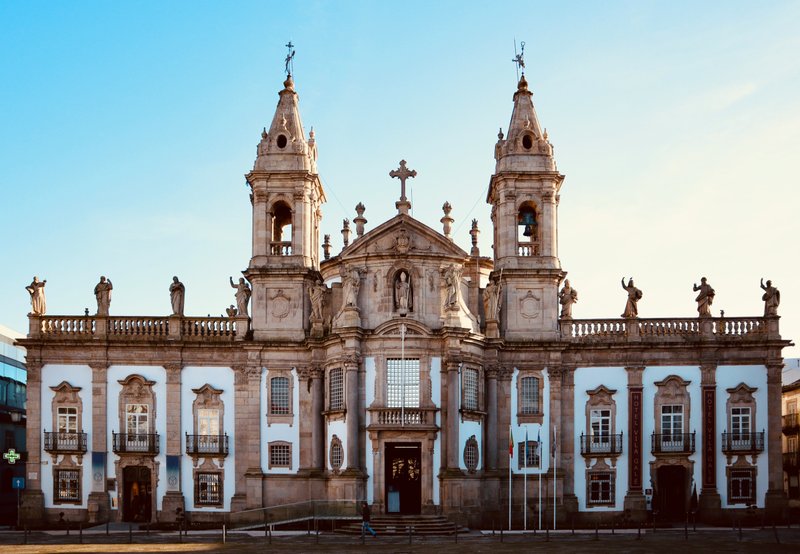
Explore Braga
Hotels (1)
Restaurants (4)
Where to Stay
Where to Eat

★ Michelin
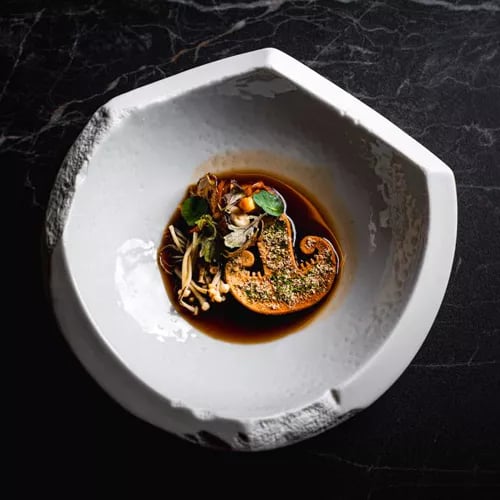
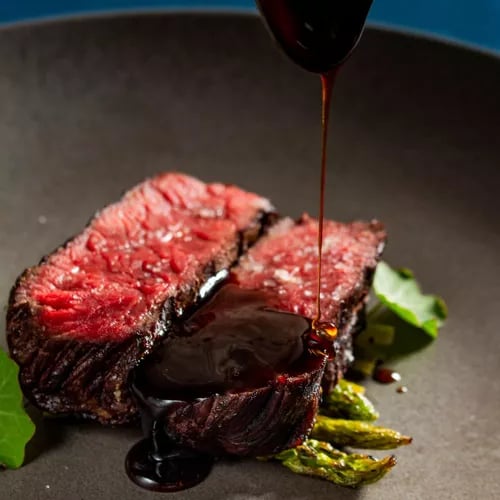
A Michelin-starred table on Braga's southern fringe, Palatial roots its cooking in Portuguese tradition while allowing creative license to reshape classics—witness the inspired pairing of sole with a deconstructed Portuguese stew. Two seasonal tasting menus, Tradition and Innovation, showcase prime national produce, while a dedicated wine bar spotlights regional vintages. The cheese, quince, and hazelnut finale plays deftly with temperature contrasts.

Michelin Selected
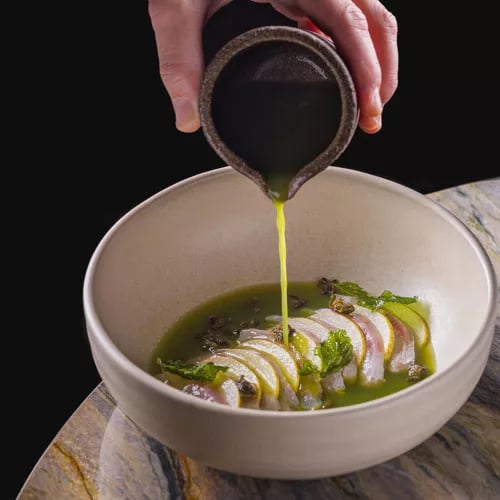
A ten-minute walk from central Braga, Esperança Verde occupies the ground floor of a residential building—an unassuming setting for chef Hugo Sousa's precise, produce-driven contemporary cooking. His father António runs the dining room with polished attentiveness while Hugo presents two tasting menus, the six-moment Irreverência or nine-moment Entre o Campo e o Mar. House-made breads impress, particularly the regional broa de milho e ananás, followed by technically accomplished plates like smoked eel paired with chestnut consommé and pear-filled ravioli.

Bib Gourmand
Young chefs Miguel Rodrigues and Tiago Costa orchestrate their Bib Gourmand bistro like a theatrical production, presenting dishes across numbered acts culminating in a seven-course tasting menu. The starring role belongs to their seafood rice with scarlet prawn, preceded perhaps by oxtail-stuffed focaccias draped in truffle sauce. A reimagined Pudim Abade Priscos with basil ice cream and moscatel reduction delivers a distinctly Minho finale.

Michelin Selected
A former architect designed this intimate dining room himself before channelling his creative energy into the kitchen, where South American influences drive a tropical-inflected menu. Wild tiger prawns arrive with coconut rice, saffron and ginger; handmade capelletti come stuffed with blue cheese and sun-dried tomato, finished with fried sage. The brownie with salted caramel and pecans provides a fitting finale at this Michelin Plate address.
Frequently Asked Questions
What is the best area to stay in Braga?
+
The historic center around the Sé cathedral and Praça da República offers the most convenient base. This pedestrian-friendly zone places you within walking distance of major monuments, restaurants, and cafés. Properties here tend to be smaller heritage buildings converted into guesthouses. For quieter surroundings with easy access to nature, the area near Bom Jesus do Monte provides a hillside retreat just fifteen minutes from the city center.
When is the best time to visit Braga?
+
Late spring and early autumn bring mild temperatures ideal for exploring the city's hilly terrain on foot. Semana Santa (Holy Week) transforms Braga into a living tableau of religious processions — the most elaborate in Portugal — though accommodation books months in advance. The Festas de São João in late June fills the streets with bonfires and traditional celebrations. Summer months see higher temperatures but also an influx of visitors; winter remains quiet, with occasional rain but fewer crowds at the pilgrimage sites.
How do I get from Porto to Braga?
+
Direct trains connect Porto São Bento station to Braga in approximately one hour, departing frequently throughout the day. The journey follows the Minho line through the Douro valley countryside. Alternatively, express buses from Porto's Campo 24 de Agosto terminal take roughly fifty minutes. Driving allows flexibility for side trips to Guimarães or the Peneda-Gerês National Park, with the A3 motorway covering the sixty kilometers in about forty-five minutes.
Nearby Destinations
Explore Portugal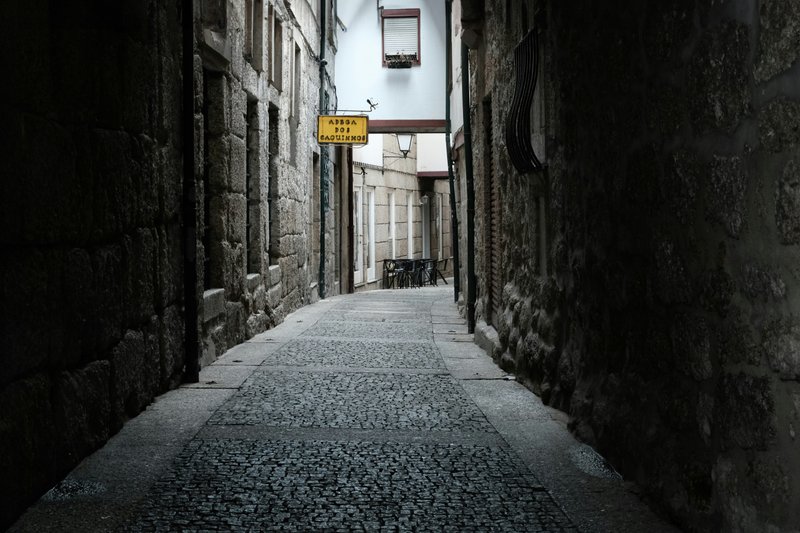
Braga
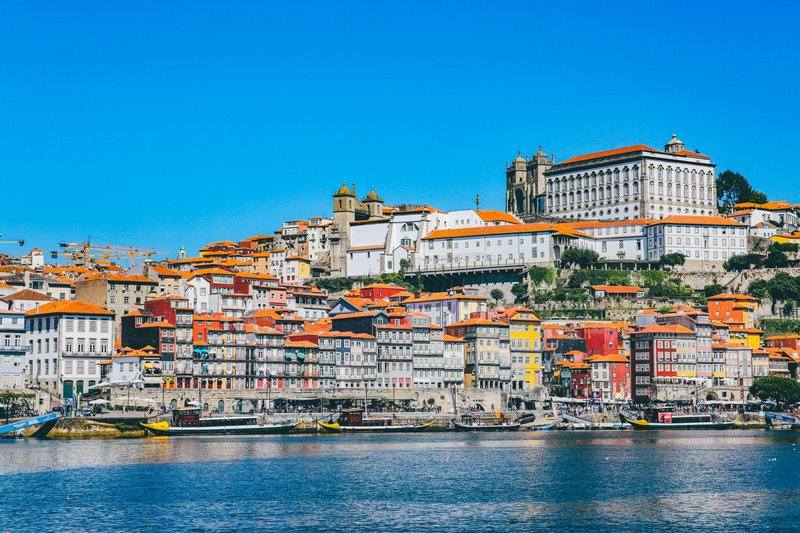
Portugal's ecclesiastical capital commands attention from its hilltop perch in the Minho region. The Sé de Braga, the country's oldest cathedral, anchors a historic center where Baroque churches appear at nearly every turn — locals claim the city holds more religious buildings per square kilometer than Rome. Beyond the sacred architecture, Braga pulses with university energy; students from the Universidade do Minho fill the outdoor cafés along Avenida Central and the narrow lanes of the old town after dusk.
The dining scene here tilts traditional, with restaurants serving bacalhau à Braga and rojões minhotos alongside local vinho verde. The Arco da Porta Nova marks the gateway to pedestrianized streets where family-run tascas share space with contemporary wine bars. Accommodation tends toward intimate properties — converted manor houses and design-forward boutique hotels occupy centuries-old buildings. For visitors, the pilgrimage stairway at Bom Jesus do Monte offers both spiritual significance and panoramic views across the city's terracotta rooftops to the Serra do Gerês beyond.