Three generations of the Bareiss family have cultivated this Black Forest estate into a sprawling wellness destination, its storybook facades opening onto nine pools, a natural swimming pond, and an extensive sauna complex. Rooms channel elegant country house style with fireplaces and fine linens, while three-Michelin-star chef Claus-Peter Lumpp commands one of Germany's finest kitchens. Ideal for families and spa devotees alike.
Where to Stay
Massive windows flood this modernist country lodge with forest light, its double-height spaces framing the ancient woodlands of Baiersbronn. The 153 rooms favor serene whites and natural tones, each with balconies overlooking green valleys. Nine spa treatment rooms, three pools, hammam, and sauna anchor an extensive wellness program, while five restaurants deliver hearty Black Forest cooking. Ideal for families and wellness seekers alike.
This 1872 landmark along the Oos river remains Baden-Baden's defining address, its sumptuous interiors furnished with authentic antiques recently refreshed without disturbing the patrician atmosphere. The spa—arguably Europe's finest in a town built on thermal traditions—draws from both continental and Asian practices. Rooms open onto private terraces with palatial marble bathrooms, while families find a dedicated kids' club stocked with elegant wooden toys.
Sprawling across manicured meadows in Obertal, this self-contained wellness village operates as a world unto itself. Freestanding chalets with private saunas and terraces deliver a luxe-rustic retreat, while rooms dressed in polished wood and earth-tone textiles honor Black Forest craft traditions. Days unfold at a measured pace—forest hikes giving way to indoor and outdoor pools, jacuzzi sessions, and regional wines at sunset.
Baden-Baden's thermal heritage finds refined expression at Maison Messmer, where ornate period interiors give way to sleek, contemporary guest rooms. The Royal Spa channels the town's Roman bathing legacy through modern facilities—indoor pool, sauna, jacuzzi—while nearby golf courses extend the wellness focus outdoors. Pet-friendly policies and 152 rooms make this a practical choice for spa devotees traveling with companions.
A Baden-Baden institution since 1840, this meticulously restored grande dame returned in 2025 with 126 high-ceilinged rooms dressed in rich textures and bespoke detailing. The rooftop bar frames Black Forest panoramas, while the spa's Turkish bath, sauna, and jacuzzi reward guests seeking genuine restoration. Steps from the Kurhaus and tree-lined promenades, it suits travelers drawn to thermal-town tradition refreshed with contemporary polish.
A 1,600-square-meter wellness complex anchors this adults-only retreat in Bad Teinach-Zavelstein, featuring Turkish bath, sauna, and both indoor and outdoor pools. The 63 individually appointed rooms include the signature Jungbrunnensuite, while dining spans Michelin-starred haute cuisine at Berlin Krone and hearty Swabian fare in the main restaurant. A dedicated hiking lodge sits one kilometre away for forest immersion.
Piero Lissoni's bold design brought contemporary Milan to this traditional spa town, filling public spaces with street-art murals and irreverent pop-culture portraits alongside sleek modernist furniture. The rooftop bar surveys Black Forest panoramas beside an outdoor pool, while Moriki's open kitchen delivers pan-Asian dishes far removed from regional convention. A spa with jacuzzi and sauna completes the urban-luxe proposition for travelers seeking style over tradition.
Forty-one rooms split between modern and classic décor anchor this Black Forest retreat, where the spa unfolds across multiple relaxation zones complete with sauna and jacuzzi. Guests alternate between indoor and outdoor pools, then wander through manicured gardens toward the tennis court—or arrange a round at nearby golf courses. Pet-friendly policies and a well-equipped fitness suite complete the package for active travelers seeking woodland tranquility.
Where to Eat
Claus-Peter Lumpp's kitchen at Hotel Bareiss has commanded three Michelin stars through unwavering devotion to classical French technique laced with global accents. A signature amuse-bouche—warm lobster dumplings in watermelon-lemon balm broth touched with chilli—signals the precision to come. Stefan Leitner's elaborate desserts and a roving praline trolley extend the pleasure, while hand-cut alabaster lamps cast a warm glow over the modernized dining room. Lunch service offers the full experience.
Three Michelin stars crown this Traube Tonbach flagship, where floor-to-ceiling glass frames sweeping Black Forest valley views. Chef Torsten Michel navigates between modern precision and classical depth, his Norwegian langoustine—glazed with intense roe, partnered with black morels and a citrus-bright Chablis nage—exemplifying the kitchen's refined complexity. Shorter and longer tasting menus, plus a vegetarian option, accommodate varied appetites without compromising ambition.
Within Hotel Traube Tonbach, chef Florian Stolte runs a precise, intimate dining room where minimalism governs both plate and space. His two six-course menus—one vegetarian—thread Asian inflections through classic French foundations, yet restraint defines the cooking: langoustine served raw as carpaccio, Wagyu beef finished with nothing but salt. The one-starred kitchen lets exceptional produce speak plainly, supported by an attentive, unhurried service team.
A Michelin-starred family institution where chef-patron Franz Berlin orchestrates four to seven course menus that marry classical technique with contemporary flair. Dishes like pan-seared cod with veal head ragout, pak choi, and horseradish-blood orange foam reveal his confident, seasonally driven approach. The sommelier's encyclopedic knowledge—complete with anecdotes for each bottle—elevates an already warm, well-rehearsed service into something memorable.
Chef-patron Stéphan Bernhard, a native Frenchman, has commanded this one-Michelin-starred table since 1998, now set within the Stahlbad—a handsome 19th-century former spa hotel. His classic French cooking favors ingredient purity, each dish clearly structured and harmonious. A ground-floor conservatory opens onto green views, converting to a covered terrace come summer. The wine selection draws expert guidance from an accomplished sommelier team.
Father-and-son team Jörg and Nico Sackmann have cultivated a one-Michelin-star destination in the Murg Valley where classic technique meets international ambition. The five-to-eight-course Schlossberg menu moves fluidly between restrained compositions and elaborate creations—flying squid cocktails, Challans duck with loquat—while a dedicated vegetarian tasting menu receives equal attention. Pale wood, muted greys, and clean designer lines frame the experience.
Perched above the Murg Valley with vineyards cascading down the slopes, Schloss Eberstein provides a dramatic backdrop for chef-patron Bernd Werner's one-Michelin-starred cooking. His contemporary approach to classical cuisine delivers dishes marked by precision, balance, and concentrated flavours. The wine list draws from the estate's own vines, adding a proprietary touch to an already singular fine dining experience within these historic castle walls.
Vaulted ceilings from the building's former life as stables arch over a dining room dressed in dark, gallery-like elegance, with views reaching across Baden-Baden toward the New Castle. The kitchen sends out three- to eight-course menus rooted in tradition but shaped by contemporary technique, while beef tartare prepared tableside remains a signature flourish. A sleek bar extends the evening with well-made aperitifs and digestifs.
Floor-to-ceiling windows frame the private gardens of Brenners Park-Hotel, flooding this conservatory dining room with natural light. The kitchen delivers classic French cooking with seasonal inflections, available à la carte or as composed menus. A weekday three-course lunch offers an accessible entry point, while the terrace beckons when weather permits. Vegetarian preparations receive equal attention on a menu built for unhurried, elegant meals.
What to Do
Spanning 4,500 square meters of forested tranquility, this Black Forest wellness sanctuary centers on nine distinct pools—heated indoor and outdoor, saltwater, natural pond, and an aquatic walking circuit. Herbal steam baths and treatments from Biologique Recherche, Thalgo, and La Biosthétique address both muscular tension and mental fatigue. Recovery unfolds either in manicured gardens or beside a crackling fireside lounge.
Frequently Asked Questions
What is the best time of year to visit the Northern Black Forest?
+
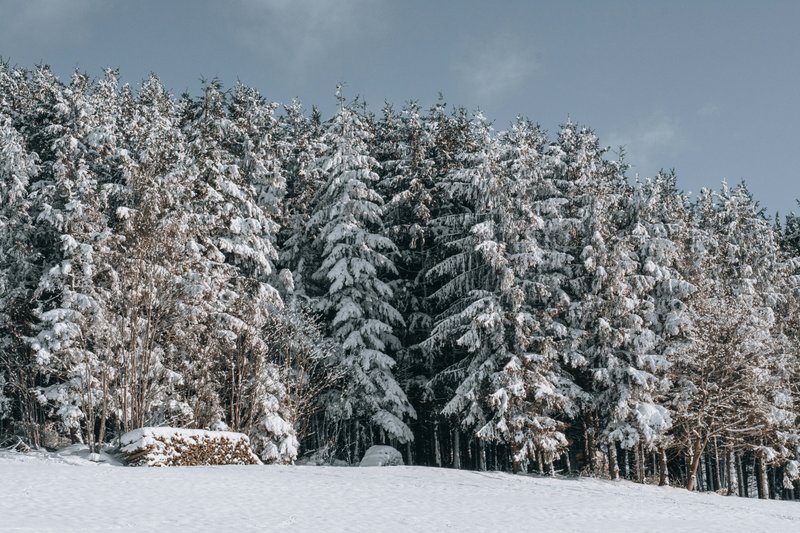
Late spring through early autumn offers the most reliable weather for hiking and outdoor dining, with May bringing wildflowers and September yielding harvest festivals. Winter transforms the region into a landscape of frosted firs, ideal for those seeking quiet spa retreats and seasonal game menus.
How do I reach the Northern Black Forest from major cities?
+
Baden-Baden has its own small airport with seasonal connections, while Frankfurt and Stuttgart airports are each roughly ninety minutes away by car. High-speed ICE trains stop at Baden-Baden station, and the scenic Schwarzwaldbahn railway line connects Karlsruhe to the region's interior villages.
What distinguishes Northern Black Forest cuisine from other German regions?
+
The cooking here reflects both forest and vineyard — expect dishes built around venison, wild boar, chanterelles, and freshwater fish, often paired with wines from neighboring Baden. Traditional recipes like Schwarzwälder Kirschtorte originated here, and many restaurants still smoke their own ham using local juniper and fir.
Nearby Destinations
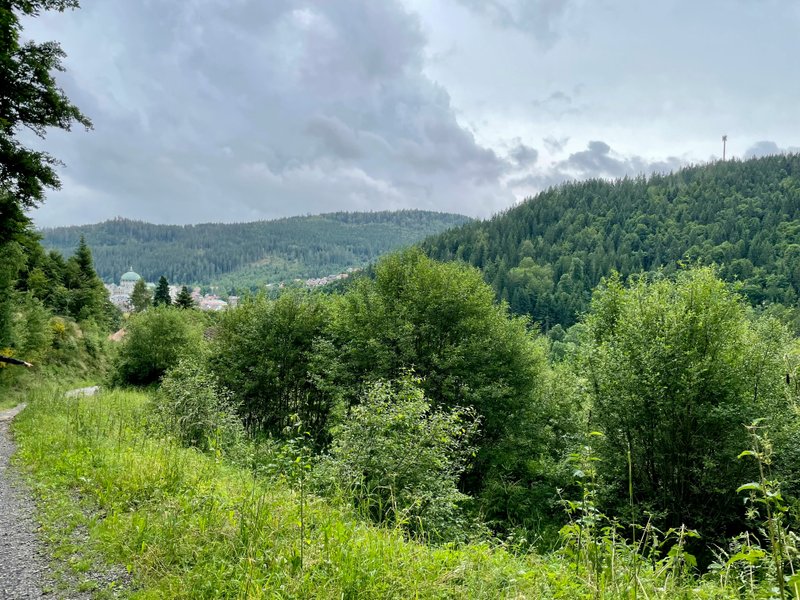
Explore GermanyThe Northern Black Forest unfolds across a landscape of deep valleys and forested ridges stretching from Baden-Baden's famous Lichtentaler Allee to the half-timbered villages around Calw, birthplace of Hermann Hesse. This is a region where spa culture dates back to Roman times, where grand hotel traditions took root in the nineteenth century alongside the first Kur establishments, and where today's visitors find that same dedication to restoration expressed through modern wellness architecture and Michelin-starred kitchens.
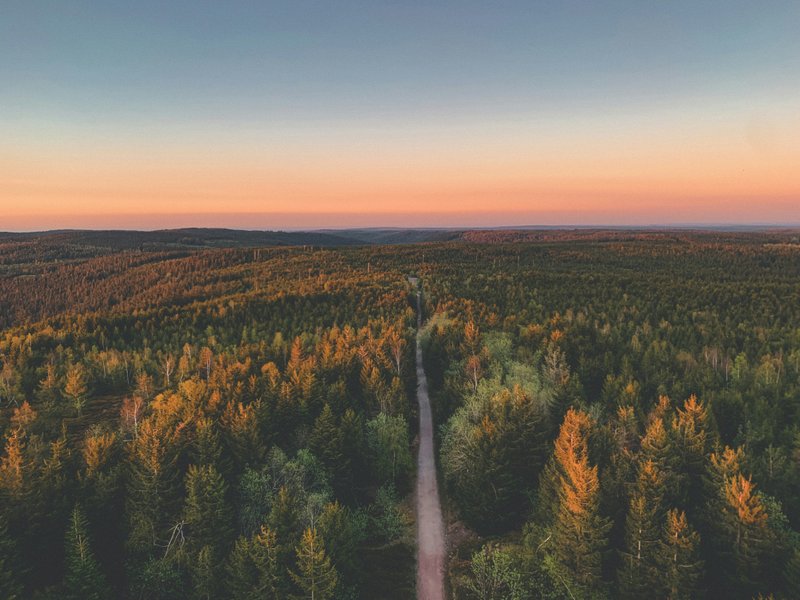
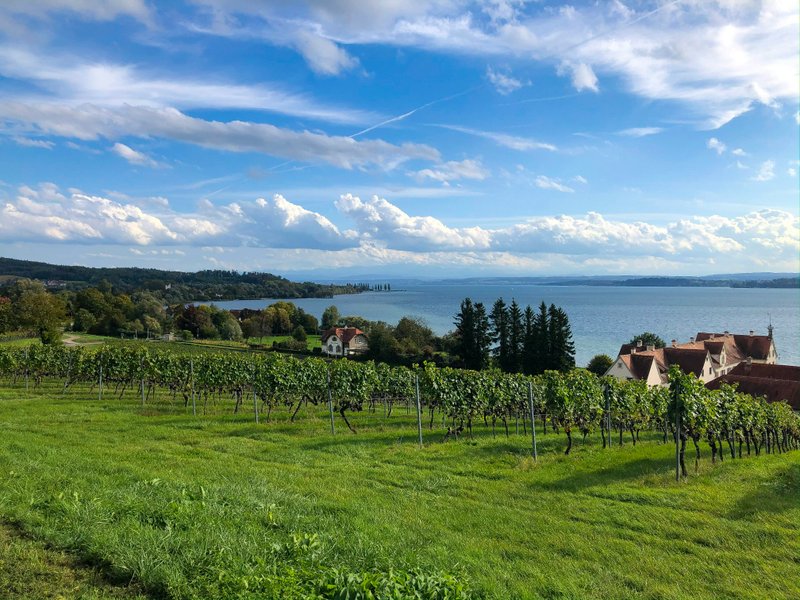
The culinary scene here draws heavily on the surrounding forest and farmland — game, trout from cold mountain streams, and produce from the Ortenau wine region just to the west. Small family-run Gasthöfe share the landscape with polished destination restaurants, many set within converted mill houses or perched on hillsides with views toward the Rhine plain. Beyond the table, the region's network of marked hiking trails and forest roads provides immediate access to stands of fir and spruce that give the Schwarzwald its name and its particular quality of stillness.