


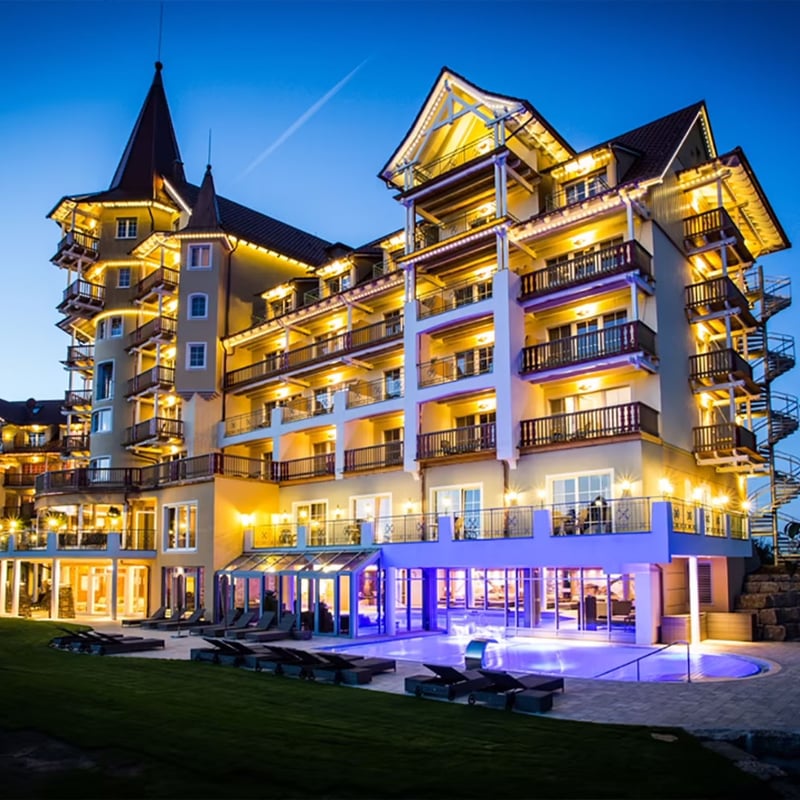
Just beyond the medieval walls of Dinkelsbühl, this castle-like property echoes the Romantic Road's architectural heritage through timber-framed facades and ornamental turrets. Inside, exposed beams and stone fireplaces meet streamlined modern design across 67 spacious rooms, many with private balconies overlooking the countryside. The resort houses one of southern Germany's largest spas, with indoor and outdoor pools drawing wellness seekers year-round.
Romantic Road Travel Guide: Best Hotels, Restaurants & Experiences 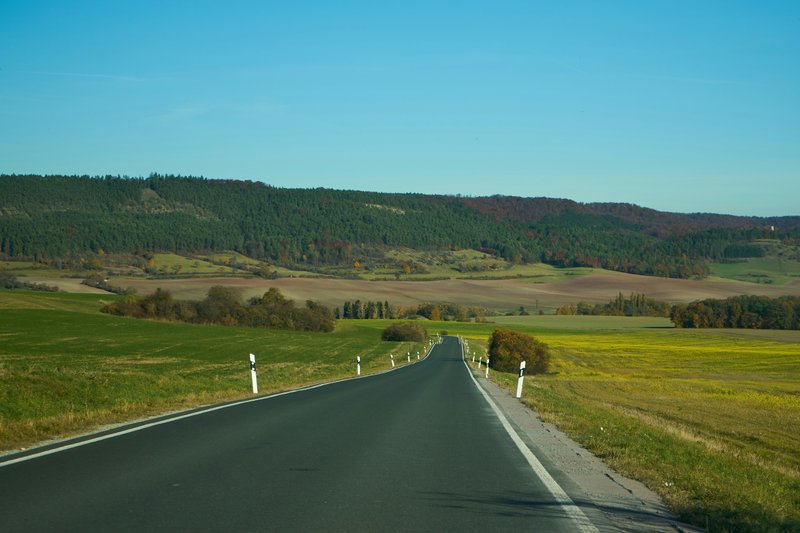
Explore Romantic Road
Hotels (3)
Restaurants (7)
Where to Stay

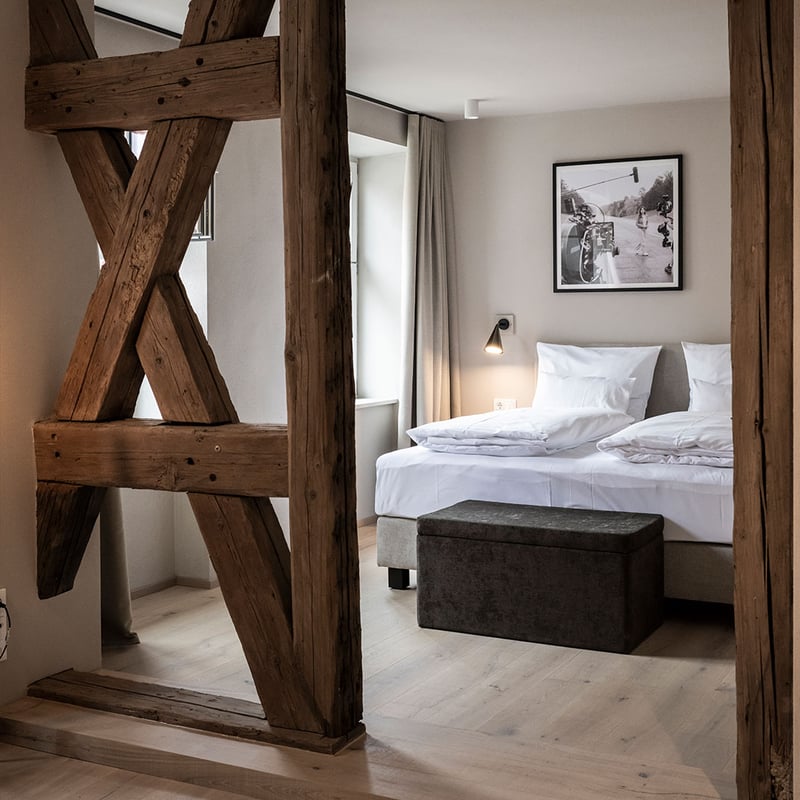
Queen Victoria slept here in 1891, though her namesake suite now showcases NOA's bold renovation—original half-timbered facades concealing minimalist interiors with pale parquet and dark beams. Bi-level suites feature vaulted trusses and hanging swing sofas; a former ballroom operates as a private cinema. The crowning draw: an attic infinity pool framed by historic gables, cathedral spires floating beyond the glass.

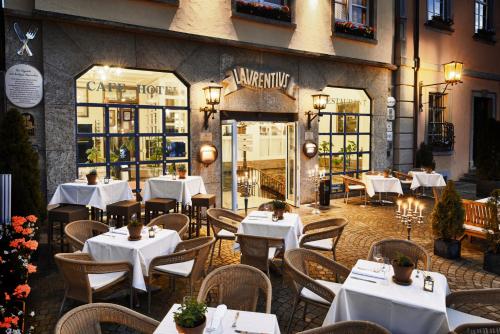
The Koch family's thirteen-room property occupies a prime position on Weikersheim's historic Marktplatz, steps from the castle and its baroque gardens. Guestrooms carry wine-inspired names—Cabinet, Cuvée, Grand Cru—reflecting the region's viticultural heritage. An on-site shop, Hohenloher Märktle, stocks local produce, charcuterie, and regional wines. Pet-friendly policies and an intimate scale suit travelers seeking authentic Romantic Road character over chain-hotel anonymity.
Where to Eat

★ Michelin
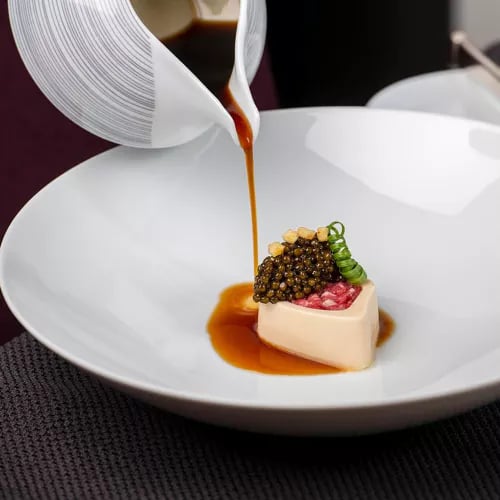
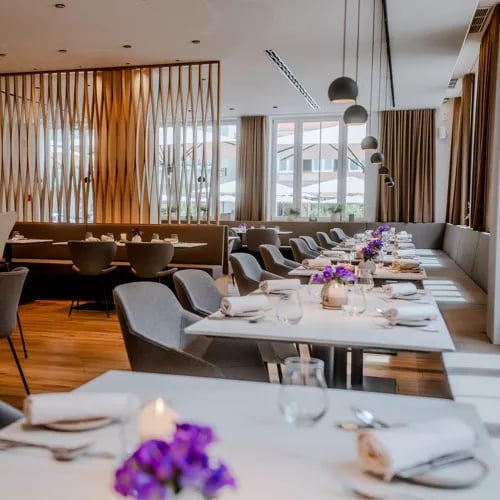
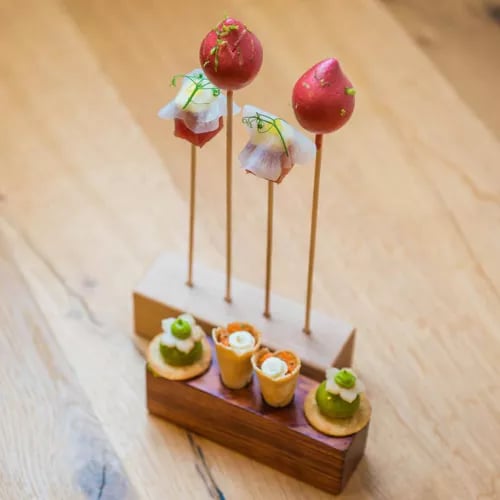
Guests at Mittermeier pass an open kitchen before entering the contemporary dining room, setting the tone for a meal built on transparency and craft. The one-starred kitchen delivers modern seasonal cooking—guinea fowl paired with chanterelles and lovage, ravioli brightened by green olive—through customizable five, seven, or nine-course progressions. Wines from the house Tauberhase label complete a polished, regionally rooted experience.

★ Michelin
A Michelin-starred winery restaurant where Christian Stahl and co-chef Mirko Schweiger personally deliver each of nine surprise courses to an intimate dining room of exposed beams and stone walls. The estate's own wines accompany every dish, creating precise pairings that reflect Stahl's dual expertise as vintner and host. Modern cooking with deep regional roots, served with genuine warmth.

★ Michelin
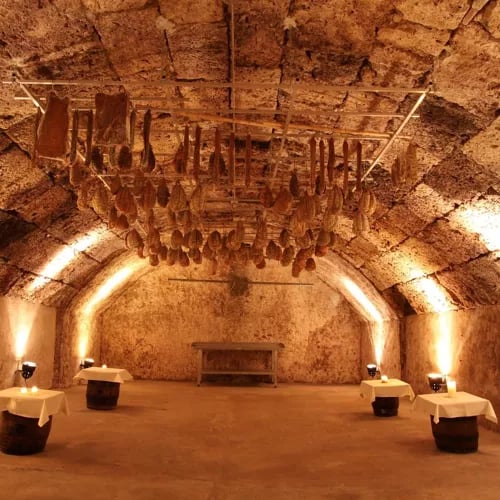
Three generations of the Kaiser family have shaped this one-Michelin-starred address into a singular dining destination along the Romantic Road. The kitchen operates on a dual concept: rustic Bavarian classics alongside a seasonal tasting format built around multiple "centrepiece" options. Culatello ham matures in the historic beer cellar below, while summer guests dine beneath ancient lime and chestnut trees on the terrace.

Michelin Selected· Green Star ●
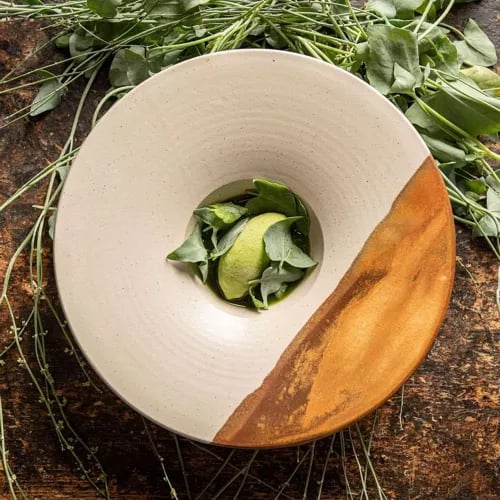
A converted bridge structure on the Brückenbaron estate houses this Michelin Green Star restaurant, where floor-to-ceiling windows frame landscaped gardens and a tranquil pond. The seasonal set menu champions vegetables in multiple textures, with chefs emerging from the glass-walled kitchen to present each course personally. The wine list draws exclusively from organic and natural Franconian producers—ideal for travelers seeking substance alongside sustainability.

Michelin Selected
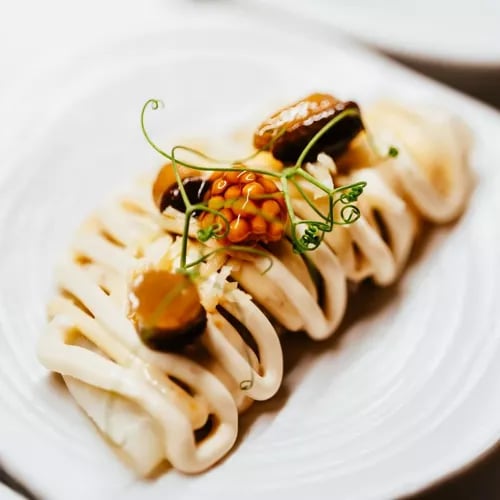
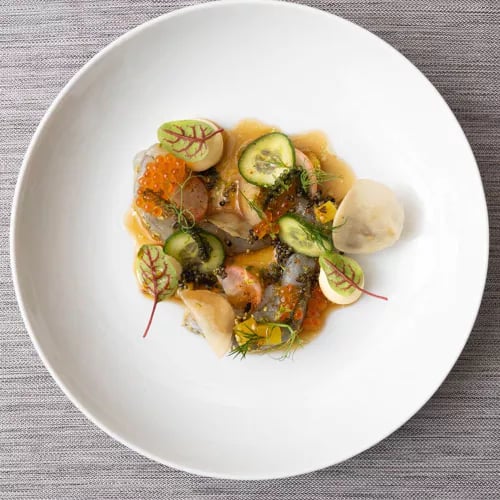
Inside Hotel Herrnschlösschen, chef Sascha Bungeroth presents his five-course 'Innovative Klassik' menu beneath a massive wooden beam dating to 1526. The seasonal repertoire moves from pickled Canadian scallops with beetroot and shiso to raw Taubertal Wagyu dressed with horseradish, mustard and smoked eel—local sourcing meeting refined technique. Summer dining extends to a baroque garden terrace, attended by knowledgeable staff with thoughtful wine pairings.

Michelin Selected
Chef Florian Kellerbauer sources rigorously from regional producers, shaping menus that shift with Bavarian seasons. Diners choose between meat and vegetarian set courses—four, five, or six progressions—or order à la carte. The dining room faces Dinkelsbühl's Gothic Kirche St Georg, while the affiliated Hotel Deutsches Haus, a 1440 patrician residence fifty metres away, extends the stay for those lingering over the Romantic Road.

Michelin Selected
Three generations of the Mack family have shaped this country house restaurant where regional German cooking meets international technique. The kitchen, supplied by its own herb and vegetable garden, turns out dishes like porcini ravioli with Brettenfeld Jerusalem artichokes and truffle fonduta. Guests compose their own three- or four-course progression from an appealing roster that includes thoughtful vegetarian options.

Michelin Selected· Green Star ●
Within a castle documented since the fourteenth century, chef-patron Andreas Rehberger crafts contemporary seasonal plates from regional ingredients, earning a Michelin Green Star for sustainable practices. The winter garden dining room frames views of the historic courtyard, while proprietress Alexandra Rehberger brings Austrian warmth to service and astute wine guidance. A refined detour for travelers exploring the Romantic Road's quieter reaches.

Bib Gourmand
Chef-patron Florian Kellerbauer's second Dinkelsbühl address occupies a converted bank in the medieval centre, its vaulted spaces now devoted to his interpretation of Heimat cuisine. The Bib Gourmand kitchen builds seasonal menus around Franconian produce—beef Zwiebelrostbraten with handmade potato noodles, pike-perch paired with pesto ravioli—while the wine list draws heavily from regional estates. Guestrooms and a sauna complete the offering.

Bib Gourmand· Green Star ●
Twelve generations of family ownership have shaped Hirsch into a Bib Gourmand destination where chef Dennis Wiche, trained in starred kitchens, reimagines Swabian tradition. His modern tavern cooking pivots between regional anchors—house-made Maultaschen, Zwiebelrostbraten with spaetzle—and inventive plates like vitello forello. A Michelin Green Star confirms the commitment to seasonal, local sourcing that once included the restaurant's own farm. Summer diners claim the wind-sheltered terrace.
Frequently Asked Questions
Which towns along the Romantic Road have the best-preserved medieval centers?
+
Rothenburg ob der Tauber and Dinkelsbühl both retain complete medieval wall circuits and dense concentrations of original half-timbered buildings. Nördlingen's circular layout within its crater rim offers a different perspective, while Augsburg — though larger and more urban — contains Renaissance architecture from its days as a major banking center.
What regional dishes should visitors try along the route?
+
In the northern Franconian section, look for Schäufele (roasted pork shoulder) and local Silvaner wines from the Würzburg slopes. Further south, Swabian Maultaschen and Spätzle become common. Rothenburg is known for Schneeballen, fried dough balls coated in sugar or chocolate, sold throughout the old town.
Is the Romantic Road best explored by car or public transport?
+
A car provides flexibility to stop at smaller villages between the main towns and explore the countryside. However, the Romantic Road Coach operates a seasonal bus service connecting major stops, and regional trains link Würzburg, Augsburg, and Füssen to the national rail network for those preferring not to drive.
Nearby Destinations
Explore Germany


Romantic Road
The Romantic Road stretches 460 kilometers from Würzburg's prince-bishops' Residenz to the Alpine foothills at Füssen, threading through some of Bavaria's most intact medieval townscapes. Rothenburg ob der Tauber draws the crowds with its complete circuit of 14th-century walls, but Dinkelsbühl offers equally preserved half-timbered streetscapes with fewer tour buses. Nördlingen sits inside an actual meteor crater, its church tower offering views across the circular town plan. Each stop maintains its own distinct character — the wine-growing slopes around Würzburg give way to the pastoral Tauber Valley, then the fortified market towns of Franconia, before the landscape rises toward the Alps at Schwangau.
Dining along the route leans heavily on Franconian and Swabian traditions: Maultaschen pasta parcels, Sauerbraten slow-cooked in vinegar, and local freshwater fish from the region's rivers. Würzburg's wine taverns pour excellent Silvaner from the surrounding Franken vineyards, while southern stops feature Bavarian beer halls and Alpine-influenced menus. Accommodation ranges from converted medieval townhouses within the old walls to countryside estates with views across the rolling farmland. The slower pace here rewards those who linger — markets still operate in centuries-old squares, and local bakeries turn out traditional pastries much as they have for generations.