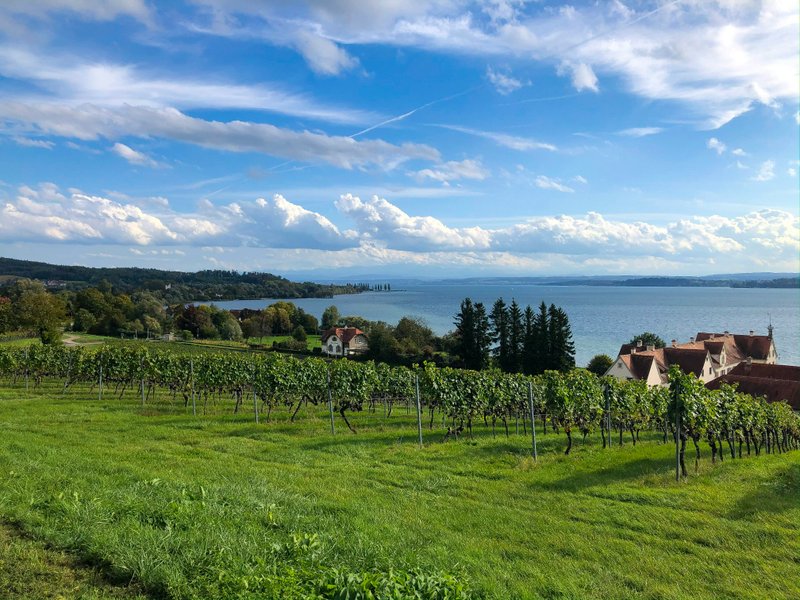
Family-owned since its 1980 reconstruction, this Black Forest retreat spreads across parkland laced with ten kilometers of walking trails. The spa complex spans 17 treatment rooms with hammam, sauna, and a 4,000-square-meter terrace, while Chef Martin Herrmann's Le Pavillon holds two Michelin stars for his Franco-Baden cuisine. Rooms overlook either vineyards or the valley; summer evenings bring magical dinners served in forest clearings.
Explore Central Black Forest
Where to Stay
A confident dialogue between historic architecture and contemporary design runs through Die Reichsstadt's 31 rooms, each reflecting the owner's sharp curatorial eye. The spa circuit—sauna and hammam—offers recovery after cycling the Black Forest trails on hotel bikes. Dogs are welcome, gardens provide quiet refuge, and an on-site restaurant keeps evenings unhurried. Ideal for design-conscious travelers seeking substance over spectacle.
Offenburg's mid-19th-century prison has undergone a striking metamorphosis: former cells now feature parquet floors and bespoke furnishings in monochrome palettes, while curving exposed brick ceilings and original window bars recall the building's austere past. The sandstone cellar houses an atmospheric wine bar, and the rooftop suite preserves original timber beams alongside a private library. Below, the old prison yard serves cocktails under open skies.
Where to Eat
Martin Herrmann's kitchen at Le Pavillon balances classical technique with restrained modernity, delivering an eight-course menu where sauces command attention—the vin jaune accompanying turbot with artichoke exemplifies his precision. Floor-to-ceiling windows frame the Black Forest panorama, while sommelier Christophe Meyer draws from his personal CM Edition selection. The family-run Dollenberg hotel provides an intimate setting for this two-Michelin-starred destination.
Inside an actual lighthouse at Europa-Park, chef Peter Hagen-Wiest earns two Michelin stars with cooking that bridges global inspiration and Black Forest tradition. His eight-course menus—including a fully vegetarian 'Green Forest' option—deliver deceptive complexity: dishes titled simply 'char, barley, bacon' unfold with rare precision. Translucent gold organza and velvet armchairs complete a setting as refined as the cuisine.
Dinner becomes theater at this futuristic Rust address, where guests board floating chairs for a two-hour progression through seven immersive worlds—from Waterfall through Ocean to Universe. Peter Hagen-Wiest orchestrates the concept, enlisting star chefs to craft eight courses available as Red Dimensions (fish and meat) or Green Dimensions (vegetarian), with champagne and sommelier upgrades for those seeking deeper indulgence.
Four generations of the Fehrenbacher family have maintained a Michelin star here without interruption since 1990—a remarkable streak in German gastronomy. Chef Daniel Fehrenbacher crafts modern French cuisine with pronounced regional accents, excelling particularly with game dishes that showcase bold flavor contrasts. The dining room balances minimalist elegance with Black Forest warmth, while sommelier Jochen Hünd guides guests through a thoughtfully assembled, accessibly priced wine list.
From its origins as a village bakery, Café Rapp has matured into a polished family restaurant where seasonal menus showcase carefully crafted dishes in an upscale, classically appointed dining room. The kitchen follows the rhythms of local harvests, offering both à la carte selections and thoughtfully composed set menus. Afternoons bring house-baked cakes that draw visitors for unhurried coffee beneath the Black Forest pines.
Historic walls frame a refined contemporary kitchen where Baden culinary traditions meet French technique. The carte moves between regional classics and modernised dishes, while a six- or seven-course Taste Menu allows the chef fuller expression—vegetarian guests receive equal attention with a dedicated menu. Service strikes a confident, unhurried note. When summer arrives, the garden becomes the preferred setting.
Each evening at Hugenhof, chef Klaus Ditz approaches the table to reveal a different four-course menu—a ritual that transforms dinner into genuine anticipation. His fellow chef and sommelier selects wines with precision to match. The dining room itself contributes to the atmosphere: soaring ceilings, weathered beams, and a crackling fire when temperatures drop. Simple, well-appointed rooms allow guests to extend the stay.
Within Hotel Dollenberg, three distinct settings await: the timber-clad Bauernstube, the firelit elegance of the Kaminstube, or a sweeping terrace overlooking forested slopes. The kitchen holds a Bib Gourmand for its regional focus—Renchtäler Black Forest trout, Chateaubriand carved tableside, and weekly set menus showcasing seasonal produce. The fine dining cellar's wine list extends here, rewarding longer evenings.
Chef Markus Klein and his wife bring genuine warmth to this Bib Gourmand address, where spruce-paneled rooms and a summer terrace frame regional cooking rooted in the seasons. The kitchen's signature golden and brown trout, sourced from Lohmühle farm in Alpirsbach, arrive impeccably fresh. A relaxed, family-run atmosphere and all-day service make it ideal for unhurried Black Forest dining.
A Bib Gourmand address in Elzach, Rössle operates as a family-run dining room where blackboard specials rotate alongside a composed Chef's Menu. House-made venison patties with juniper cream and Breton monkfish with saffron sauce illustrate the kitchen's confident range from Black Forest game to coastal fish. A terrace extends service outdoors, while upstairs, guestrooms dress warm timber in contemporary lines.
What to Do
Sprawling across 54,000 square feet at Hotel Dollenberg, this Black Forest wellness sanctuary orchestrates water, light, and forest silence into a singular retreat. Five luminous pools and a tranquil mountain lake anchor the thermal journey, complemented by saunas, hammams, and signature treatments—the Chi Yang Massage for deep restoration, the Cleopatra Bath for sensory indulgence. A place engineered for complete disconnection.
Sprawling across 5,000 square meters in the Black Forest highlands, the Dollina Wellness & Spa ranks among Germany's most ambitious hotel wellness facilities. Six pools—including mineral water and brine basins plus a mountain lake—complement four distinctive saunas crafted from salt stone, pine, organic materials, and reclaimed wood. Signature treatments feature Vichy showers with horizontal jets and algae body wraps administered in private hammam steam rooms.
Frequently Asked Questions
What towns should I base myself in when visiting the Central Black Forest?
+
Triberg offers waterfall walks and traditional clock-making heritage. Schiltach and Gengenbach feature well-preserved medieval centers with timber-framed architecture. Baiersbronn has become synonymous with high-end gastronomy, while smaller villages along the Kinzig Valley provide quieter alternatives with direct access to hiking networks.
What regional dishes define Central Black Forest cuisine?
+
Smoked Schwarzwälder Schinken remains the region's most recognized product, traditionally served with farmhouse bread. Game dishes feature prominently in autumn menus, and freshwater trout appears year-round. The original Schwarzwälder Kirschtorte — chocolate sponge layered with cherries and Kirschwasser cream — comes from this area.
When is the best time to visit the Central Black Forest?
+
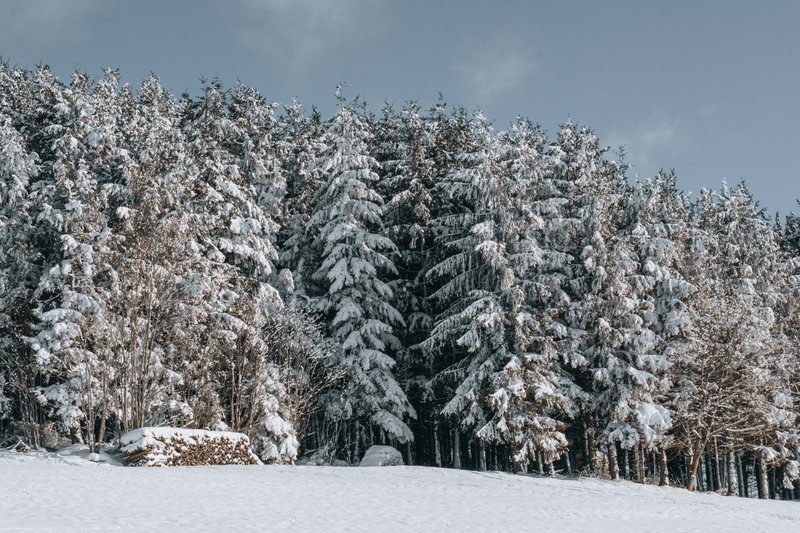
Late spring through early autumn offers the clearest hiking conditions and longest daylight hours. December brings Christmas markets to towns like Gengenbach, where the town hall transforms into a giant advent calendar. Winter snowfall opens cross-country skiing routes, though some mountain roads may close temporarily.
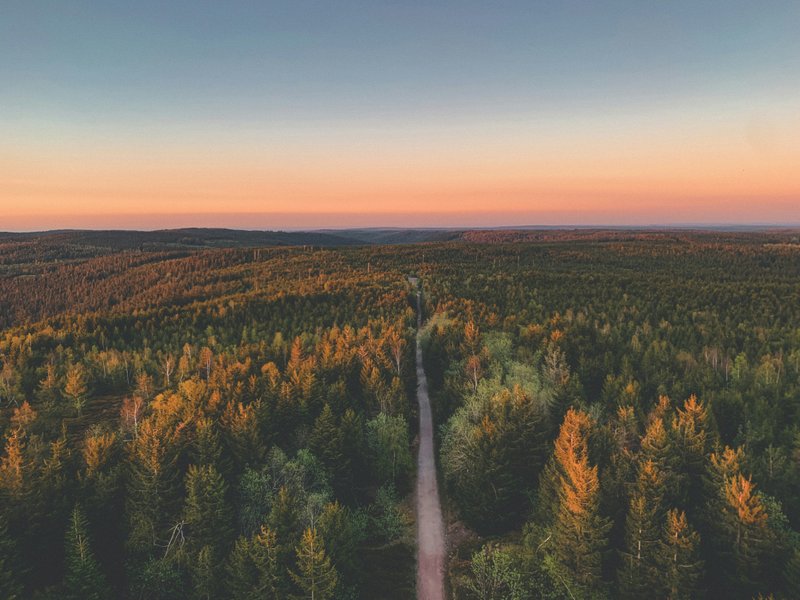
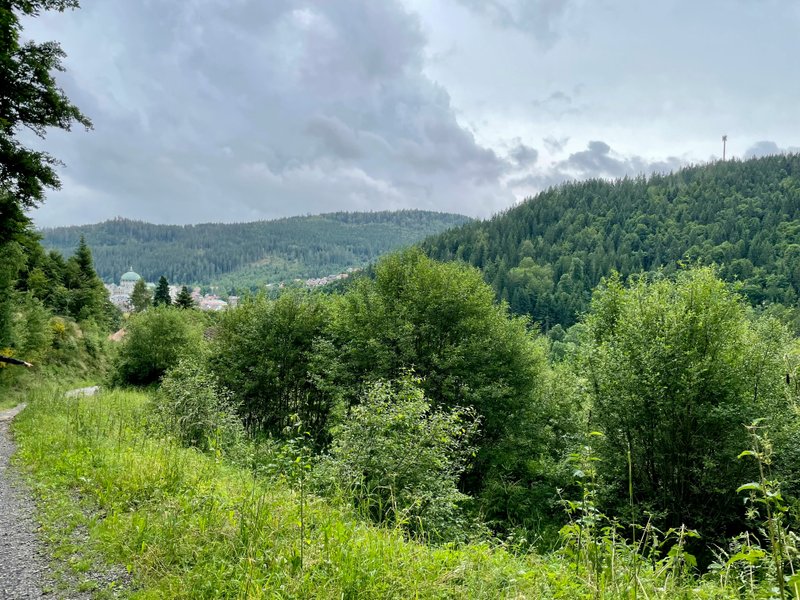
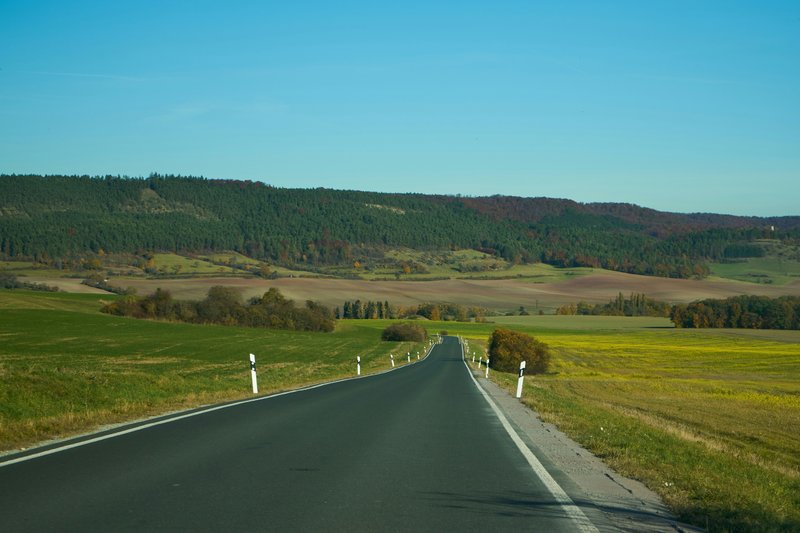
The Central Black Forest unfolds across a landscape of deep valleys and forested ridges between Freiburg and Freudenstadt. Towns like Triberg, famous for its cascading waterfalls and cuckoo clock workshops, sit alongside quieter villages where half-timbered farmhouses still dot the hillsides. The Kinzig Valley cuts through the region's heart, connecting spa towns and hiking trails that draw visitors year-round. This is a landscape shaped by centuries of woodcraft, glassblowing, and farming traditions that persist in local markets and family-run establishments.
The dining scene draws heavily on regional ingredients — smoked ham from local farms, wild game from surrounding forests, and trout pulled fresh from mountain streams. Traditional Gasthäuser serve dishes like Schäufele and Schwarzwälder Kirschtorte alongside more contemporary interpretations. Small distilleries produce Kirschwasser and fruit brandies, while local bakeries turn out dense rye breads and Hefezopf. Hotels range from converted historic properties to modern wellness retreats designed around the region's long-standing thermal bath culture.